by

What is Corrective Maintenance?
Corrective maintenance refers to the type of maintenance performed after a failure has occurred. In simple terms, it's the act of fixing things that are broken.
Unlike preventive maintenance, which is scheduled to avoid equipment breakdowns, corrective maintenance kicks in only after a malfunction or issue is detected.
In the property management world, this often includes repairs to air conditioners, plumbing, lighting, or elevators when tenants or staff report an issue.
Why Understanding It Matters
Knowing when and how to implement corrective maintenance is key to minimizing downtime and maintaining tenant satisfaction.
For property managers, especially those in commercial or residential buildings, a fast and efficient response to problems can make or break the tenant experience.

Corrective Maintenance vs. Preventive Maintenance
| Aspect | Corrective Maintenance | Preventive Maintenance |
|---|---|---|
| Trigger | Performed after a failure | Scheduled regularly |
| Cost | Potentially higher due to emergency repair costs | Often lower due to planned actions |
| Downtime | High risk of unplanned downtime | Minimizes downtime |
| Examples | Fixing a broken elevator, leaking faucet | Checking HVAC filters, routine inspections |
Types and Real-Life Examples in Property Management
1. Planned Corrective Maintenance
Failure is known and assessed beforehand, and repairs are scheduled.
Example: Replacing a flickering light that still works but needs attention.
2. Unplanned Corrective Maintenance
Immediate action is needed due to a critical failure.
Example: Emergency repair of a burst water pipe.n.
- Elevator Breakdown: A tenant reports that the elevator has stopped working. Your team inspects it, finds a faulty motor, and initiates a repair order.
- Leaky AC Unit: After a routine tenant complaint, you find water damage caused by an air conditioner. The unit is shut down, parts are ordered, and a technician is dispatched.
- Power Outage: A wing of the building loses power due to a faulty breaker. Immediate corrective action is taken to restore electricity.
These situations are not only common but also critical to resolve quickly.

When Should You Rely on Corrective Maintenance?
Corrective maintenance is necessary when:
- The cost of preventive maintenance outweighs the risk of failure.
- Failures are rare or have minimal impact.
- The asset is non-critical to daily operations.
However, overreliance on corrective maintenance can lead to high costs, tenant complaints, and safety risks. The best strategy is to use it alongside preventive maintenance.
How to Improve Your Corrective Maintenance Workflow
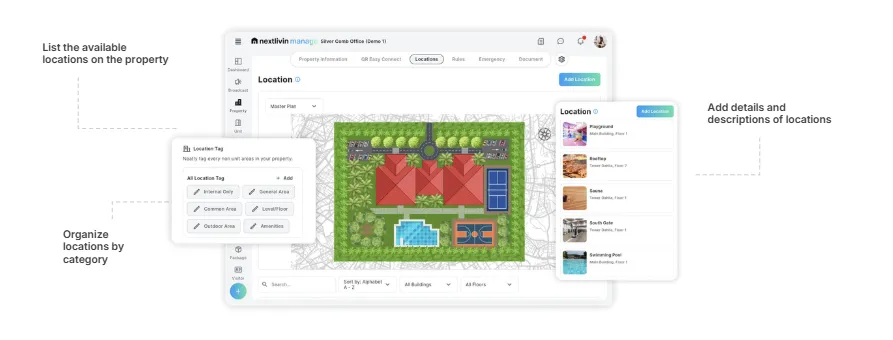
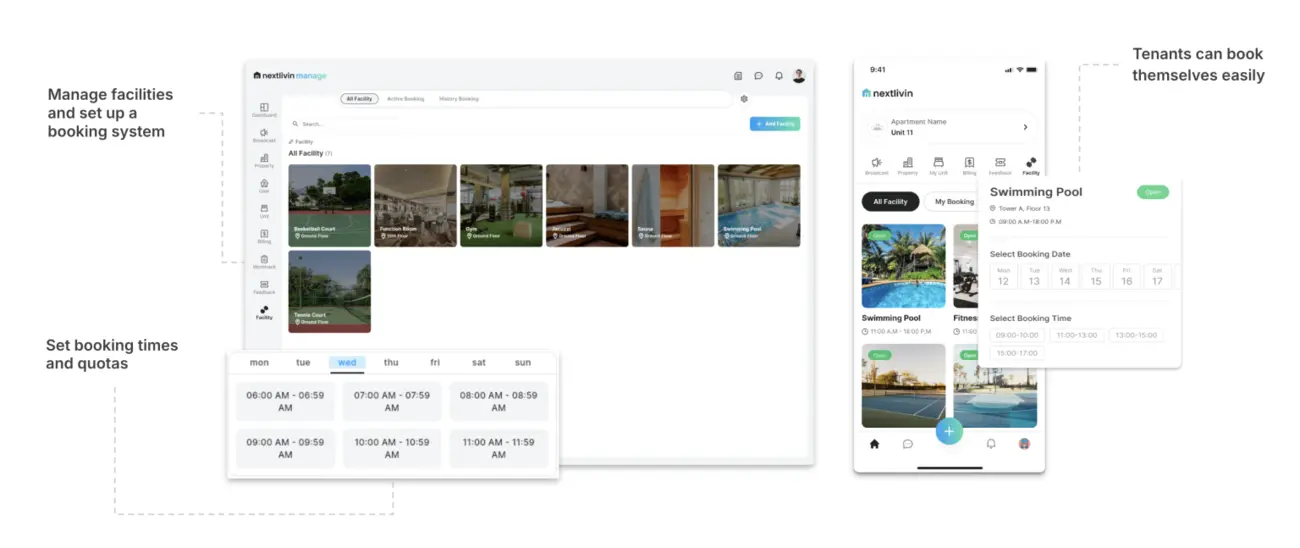
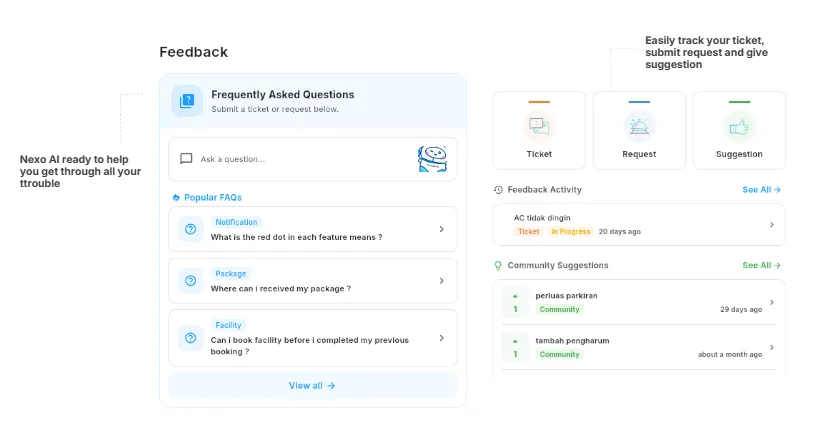
- Use a Property Management System like Nextlivin to track issues in real-time.
- Train your team to identify and report problems quickly.
- Document every repair to find trends and recurring issues.
- Combine with preventive maintenance to reduce emergency cases.

Final Thoughts
Corrective maintenance is a necessary part of any building's lifecycle. While it may seem reactive, when done strategically and combined with preventive maintenance, it helps maintain operations, satisfy tenants, and control long-term costs.
If you're still managing issues manually or relying on Excel and WhatsApp to track breakdowns, it might be time to rethink your approach.
A digital platform like Nextlivin can help streamline corrective maintenance, assign tasks instantly, and track resolutions in real-time.
Curious if it's right for your building? Schedule a free demo today and see the difference.

This article is provided by Nextlivin, for more information on how Nextlivin can help you manage your property efficiently, visit our website.