by

In property management, maintaining service quality is crucial to ensuring tenant satisfaction and smooth operations. But how can you guarantee that all services meet the required standards? This is where the Service Level Agreement (SLA) plays a vital role! An SLA serves as a guideline for property management teams and vendors to deliver optimal service levels.
In this article, we will explore what an SLA is in property management, why it matters, and how to implement it effectively.

Definition of SLA: What Is a Service Level Agreement?
An SLA or Service Level Agreement is a written contract between property managers and service providers (vendors, technicians, or internal teams) that defines service standards, work scope, and performance parameters that must be met.
Simply put, an SLA is a contract that sets service expectations to ensure that all tasks are performed according to agreed-upon standards and timelines.
An SLA typically includes:
- Response and resolution times
- Service performance parameters (e.g., cleanliness, maintenance, or security)
- Penalties or compensations if service levels are not met
- Escalation procedures for handling service issues
The Benefits of a Service Level Agreement (SLA) in Property Management
An SLA is more than just a formal document; it is a critical tool for ensuring seamless service operations. Here are some key benefits of implementing an SLA in property management:
a) Improved Service Quality
With an SLA in place, service providers (both internal and external) have clear standards. For example, a maintenance team may be required to respond to complaints within 30 minutes and resolve issues within 24 hours.
b) Preventing Conflicts and Misunderstandings
Without an SLA, tenants may complain about delays in maintenance, while technicians might assume they have more time to respond. An SLA ensures clear expectations for all parties involved.

c) Increased Operational Efficiency
SLAs help property managers measure team performance objectively. For example, are tenant complaints being resolved on time? Are cleaning vendors meeting the agreed-upon quality standards?
d) Higher Tenant Satisfaction
Satisfied tenants are more likely to stay longer in a property. An SLA helps create a well-maintained, safe, and comfortable living environment.
Examples of SLA Implementation in Property Management
To provide a clearer picture, here are some common SLA agreements used in property management:
| Service Type | Response Time | Resolution Time |
|---|---|---|
| Emergency repairs (AC, electricity, plumbing) | 30 minutes | 4 hours |
| Tenant complaints via app | 10 minutes | 1 business day |
| Public area cleaning | Daily | 24 hours after inspection |
| Security patrol | Hourly | 24/7 |
With a well-defined SLA, property operations run more efficiently, and tenants receive timely services without unnecessary delays.
How to Write an Effective SLA for Property Management
For an SLA to be truly effective and not just a formality, follow these steps:
Identify Essential Services
Ensure your SLA covers all critical services, such as building maintenance, cleaning, security, and tenant management.
Set Clear Key Performance Indicators (KPIs)
Use measurable indicators, such as response times, resolution times, the number of resolved complaints, and tenant satisfaction rates.

Involve All Stakeholders
Make sure property managers, vendors, and tenants understand the SLA and agree on the service standards.
Use Technology for Monitoring
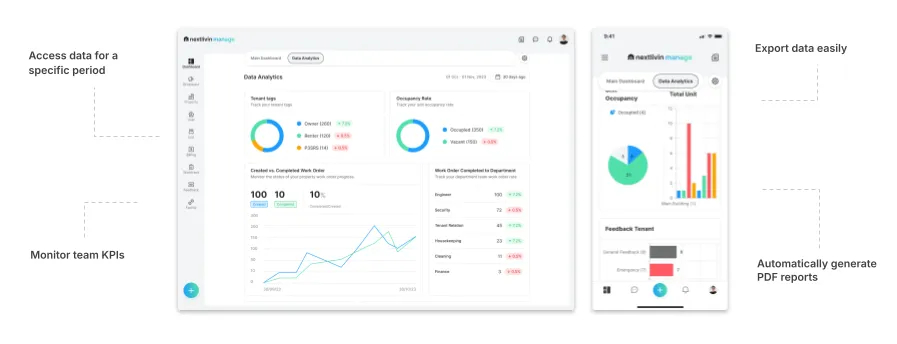
Property management software like Nextlivin can help track SLA compliance in real time. A digital system allows you to monitor service performance and take quick action when issues arise.
Review and Update the SLA Regularly
Property needs change over time. Conduct an SLA review at least once a year to ensure it remains relevant and effective.
Conclusion: An SLA Is Essential for Efficient Property Management
A Service Level Agreement (SLA) is a crucial foundation in professional and efficient property management. With a well-structured SLA, property managers can ensure services meet agreed-upon standards, improve tenant satisfaction, and avoid conflicts with vendors or service providers.
If you want to streamline SLA management, technology can be your best solution. Nextlivin helps automate SLA tracking, reporting, and service monitoring, reducing the need for manual oversight. 🚀
Does your property have a well-defined SLA? If not, now is the perfect time to implement one! 😉 #ManagePropertyWithoutHassle

This article is provided by Nextlivin, for more information on how Nextlivin can help you manage your property efficiently, visit our website.