by

Industry Insight
Building maintenance is one of the most critical aspects of preserving asset quality, ensuring occupant comfort, and maintaining smooth property operations. Whether it is a residential apartment, office building, shopping center, or commercial complex, every property requires a well-planned maintenance strategy to keep its facilities operating at peak performance.
However, many property managers still adopt a reactive approach by repairing equipment only after failures occur. This often leads to higher repair costs, operational disruptions, equipment downtime, and reduced tenant satisfaction.
Today, Building Managers are increasingly adopting structured maintenance management strategies that combine multiple maintenance methods based on the condition and criticality of each asset. This approach helps engineering teams work more efficiently while extending the lifespan of building equipment and facilities.
Understanding the Three Building Maintenance Methods
Each maintenance method serves a different purpose and should be applied according to specific operational needs.
1. Preventive Maintenance
Preventive Maintenance consists of scheduled maintenance activities performed before equipment failures occur.
Typical examples include elevator inspections, HVAC servicing, water pump maintenance, generator testing, electrical panel inspections, and fire protection system maintenance.
Benefits of Preventive Maintenance:
- Reduces the risk of unexpected equipment failures.
- Extends the lifespan of building assets.
- Lowers long-term repair costs.
- Improves occupant comfort.
- Minimizes operational disruptions.
2. Corrective Maintenance
Corrective Maintenance is performed after equipment malfunctions or performance degradation have been identified.
Its primary objective is to restore the equipment to normal operating conditions as quickly as possible.
Examples include replacing damaged pump components, repairing air conditioning systems, or fixing electrical installations.
Benefits of Corrective Maintenance:
- Restores equipment functionality.
- Prevents minor issues from becoming major failures.
- Supports continuous building operations.
3. Emergency Maintenance
Emergency Maintenance involves immediate repairs required to address critical situations affecting safety, security, or business continuity.
Examples include major water leaks, building-wide power outages, elevator breakdowns, or failures in fire protection systems.
Benefits of Emergency Maintenance:
- Minimizes safety risks.
- Restores operations quickly.
- Reduces the impact on tenants and daily building activities.
These three maintenance strategies complement one another and form the foundation of an effective building maintenance program.

Feature Highlight
Manage Every Maintenance Activity More Efficiently with Nextlivin
Managing multiple maintenance activities becomes significantly easier with an integrated digital Property Management platform.
Through Nextlivin's Worktrack feature, Building Managers can organize and monitor every maintenance task from a single centralized system.
Schedule Preventive Maintenance
Create recurring inspection and maintenance schedules to ensure no routine task is overlooked.
Real-Time Work Order Monitoring
Track maintenance progress from task assignment through completion with complete visibility.
Clear Task Prioritization
Emergency Maintenance requests can be prioritized immediately, enabling faster response times.
Automatic Maintenance History
Every maintenance activity is automatically documented, making audits, asset tracking, and performance evaluations much easier.
Better Team Collaboration
Engineers, supervisors, and Building Managers work from the same real-time information, improving communication and operational efficiency.
With Nextlivin Worktrack, maintenance management becomes more organized, transparent, and easier to control.
News Update
As digital transformation continues across the property industry, more organizations are adopting Computerized Maintenance Management Systems (CMMS) and cloud-based Property Management platforms to streamline maintenance operations.
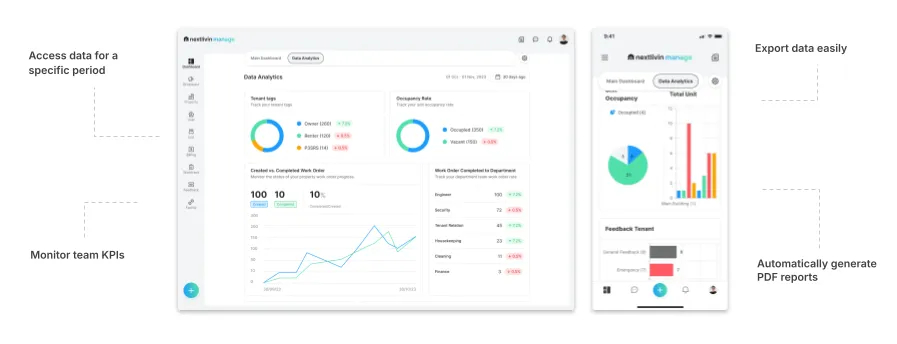
Digital maintenance solutions enable Building Managers to automate maintenance schedules, monitor work orders in real time, maintain comprehensive asset histories, and generate operational reports more efficiently.
This modern approach not only improves engineering team productivity but also supports data-driven decision-making to maximize asset performance and extend equipment life cycles.

Conclusion
Building maintenance is far more than simply repairing broken equipment—it is a long-term strategy for protecting assets, ensuring occupant safety, and improving operational efficiency.
By understanding the differences between Preventive Maintenance, Corrective Maintenance, and Emergency Maintenance, Building Managers can implement the most appropriate maintenance strategy for every situation.
To maximize efficiency, digital solutions such as Nextlivin Worktrack provide a comprehensive platform for scheduling maintenance, tracking work orders, documenting maintenance history, and improving team coordination.
With the right maintenance strategy and modern technology, property management becomes more efficient, engineering teams become more productive, and tenants enjoy a safer and more reliable living or working environment.

This Article is provided by Nextlivin, for more information about how Nextlivin can help manage your property efficiently, please kindly visit our site.