by

Industry Insight
Preventive Maintenance as the New Standard in Building Management
In the modern property industry, the approach to building maintenance has evolved significantly. While many building operators previously relied on corrective maintenance (repairing after failure), there is now a growing shift toward preventive maintenance as a primary strategy.
Preventive maintenance is a proactive approach aimed at preventing failures before they occur through routine inspections, scheduled servicing, and planned component replacements.
This approach not only ensures optimal system performance but also reduces the risk of operational disruptions that could impact tenant comfort and property reputation.
Why Preventive Maintenance Matters in Property Management
In managing office buildings, residential properties, and commercial facilities, preventive maintenance plays a critical role.
1️⃣ Reducing the Risk of Unexpected Failures
Through regular inspections and maintenance, potential issues in systems such as HVAC, elevators, electrical, and plumbing can be detected early before escalating into major problems.
2️⃣ Ensuring Operational Continuity
Well-maintained buildings experience less downtime, allowing tenant activities to run smoothly without interruption.
3️⃣ Long-Term Cost Efficiency
Preventive maintenance costs are generally lower compared to major repairs caused by unexpected failures.
4️⃣ Extending Asset Lifespan
Scheduled maintenance helps extend the service life of building systems and equipment.
5️⃣ Enhancing Tenant Satisfaction
Tenants feel more comfortable and confident in buildings where systems function reliably at all times.

Feature Highlight
The Role of the Building Manager in Preventive Maintenance
🔹 Maintenance Planning & Scheduling
Developing routine maintenance schedules for all building systems.
🔹 Inspection & Monitoring
Conducting regular inspections to ensure systems operate optimally.
🔹 Data-Driven Decision Making
Using historical data to determine when maintenance or replacements are needed.
🔹 Vendor & Contractor Coordination
Managing vendors and contractors to ensure high-quality maintenance work.
🔹 Risk Management
Identifying potential risks and taking preventive actions before issues occur.
Through this approach, the Building Manager acts not only as a facility operator but also as a strategic risk manager.
News Update
Digital Transformation in Building Maintenance
In recent years, many property companies have begun adopting technology-driven maintenance solutions, such as:
- Computerized Maintenance Management Systems (CMMS) for scheduling and tracking maintenance activities
- Internet of Things (IoT) for real-time equipment monitoring
- Data analytics for predictive maintenance and failure prevention
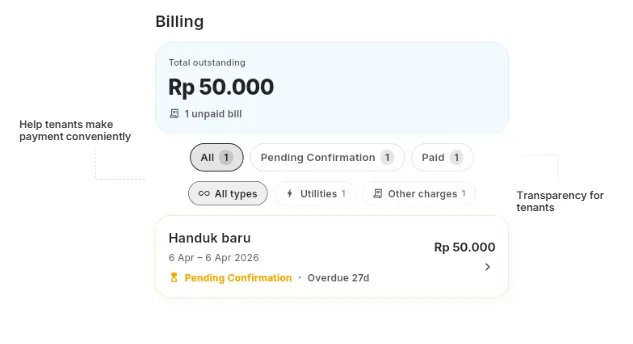
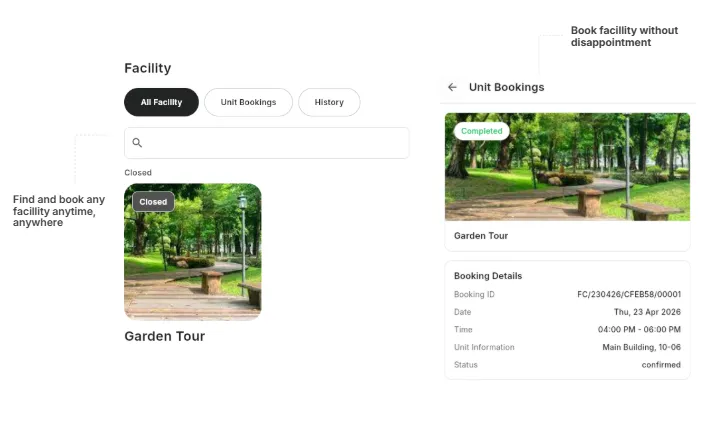
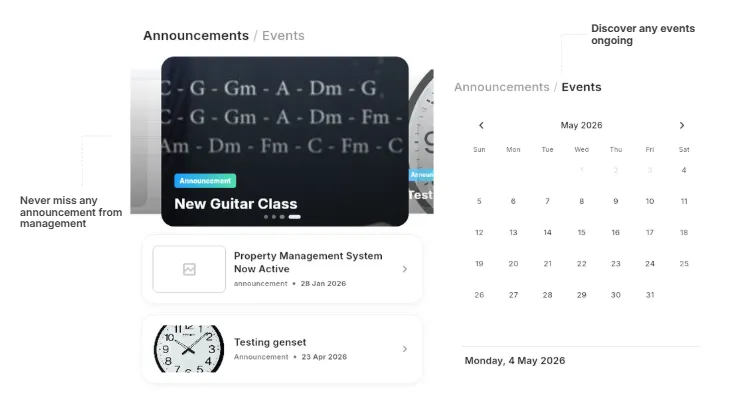
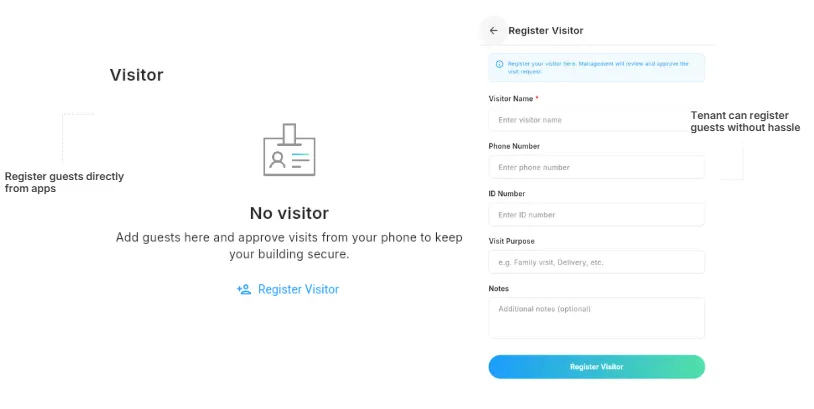
- Integration of maintenance systems with tenant applications for improved transparency
These trends show that preventive maintenance is evolving into a smarter, data-driven, and technology-enabled system.

Conclusion
Preventive Maintenance is an Investment, Not a Cost
Preventive maintenance is not merely a technical activity—it is a strategic component of modern property management.
By adopting a proactive approach, building management can:
✅ Reduce the risk of major failures
✅ Ensure smooth operational performance
✅ Improve cost efficiency
✅ Extend asset lifespan
✅ Increase tenant satisfaction
Ultimately, buildings managed with strong preventive maintenance strategies achieve greater operational stability, higher property value, and stronger competitiveness in the market.

This Article is provided by Nextlivin, for more information about how Nextlivin can help manage your property efficiently, please kindly visit our site.