PRODUCT
For Team

DATA MANAGEMENT

Manage data and documents in one place.
Property
Unit
User
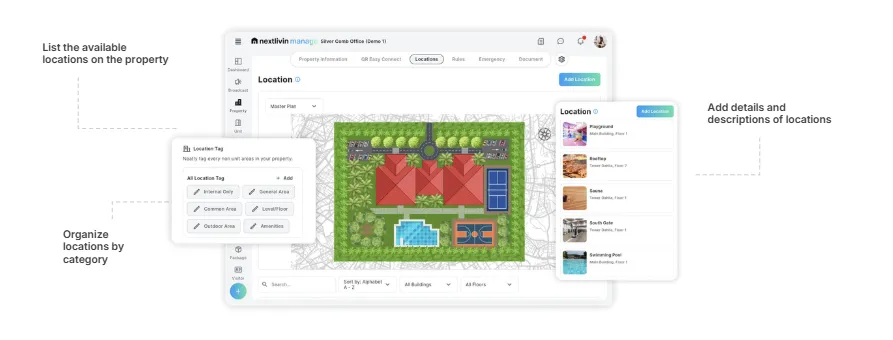
Location
Document
Inventory

WORK PROCESS

Simplify tasks with AI and automation.
Worktrack
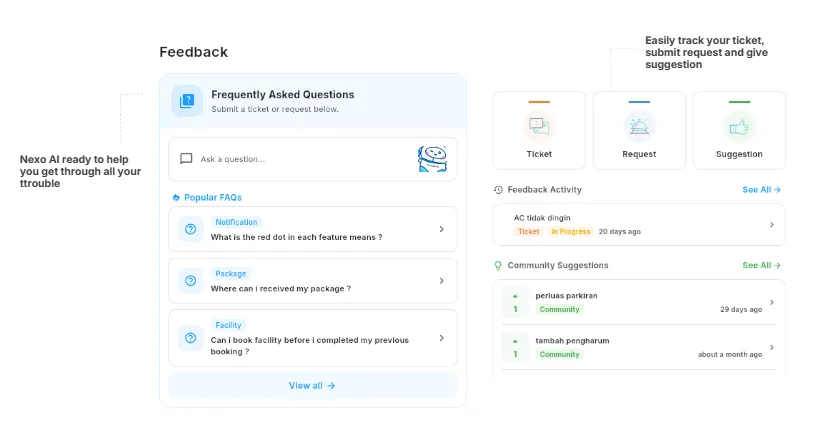
Feedback
Billing
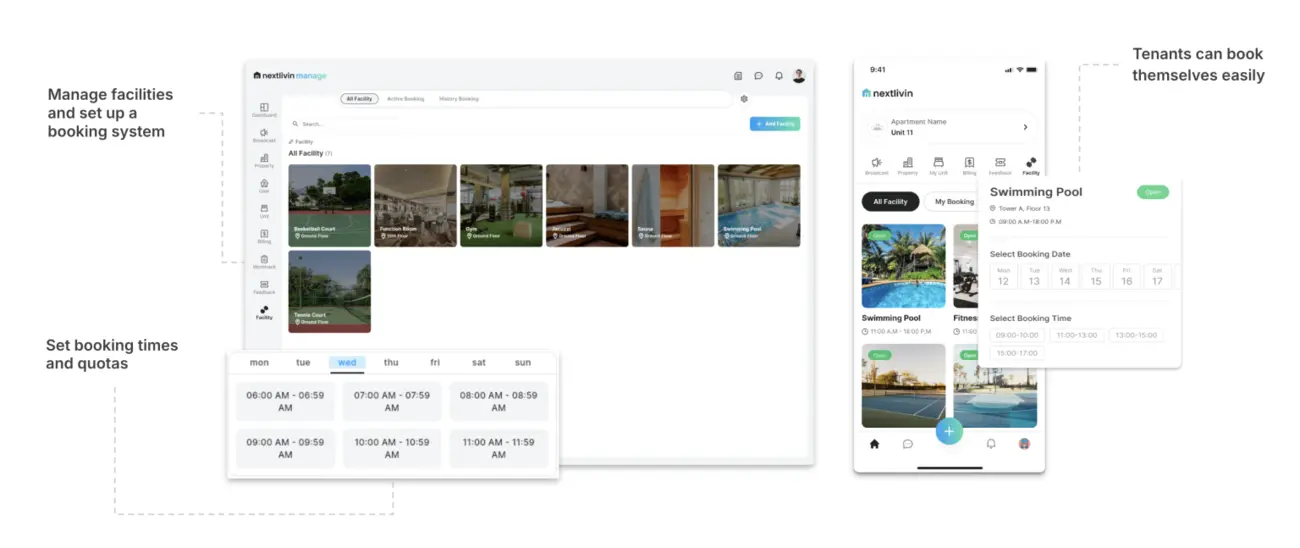
Facility
Broadcast
Visitor
Package

REPORTING

Easy reporting processes with real-time data.
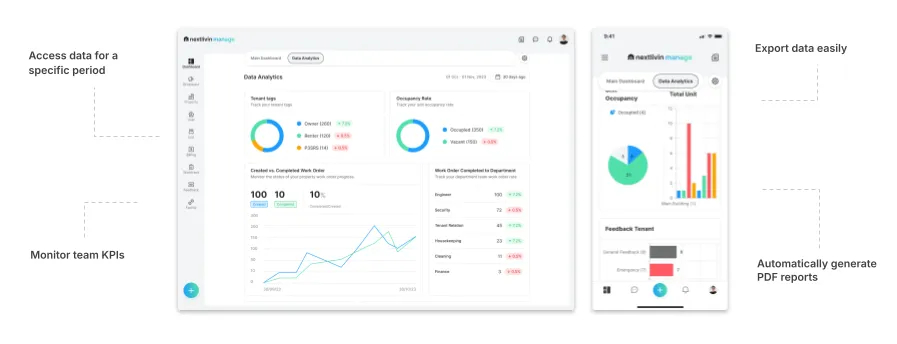
Dashboard Analytic
Generate Report
For Tenant

TENANT EXPERIENCE

Simplify tenant lives and enhance their satisfaction.
Feedback
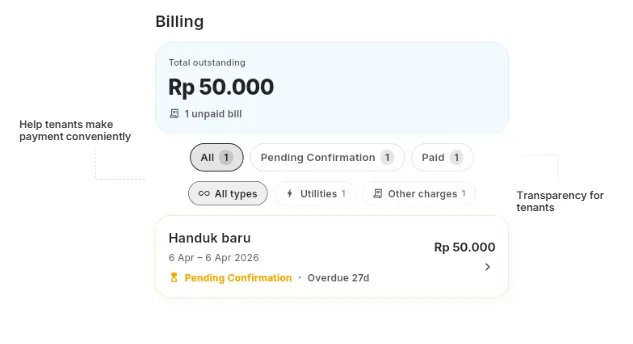
Billing
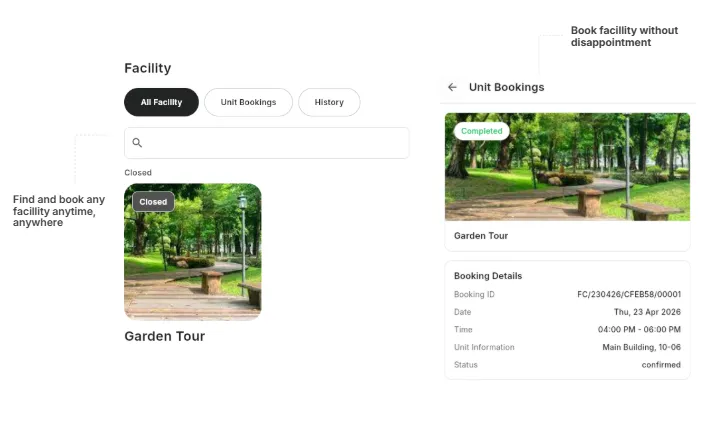
Facility
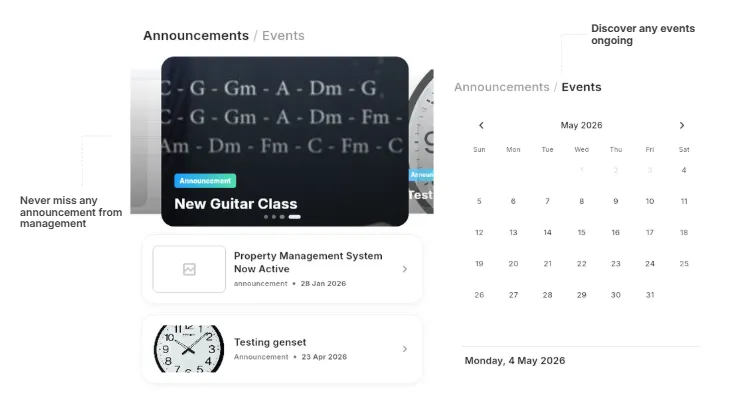
Broadcast
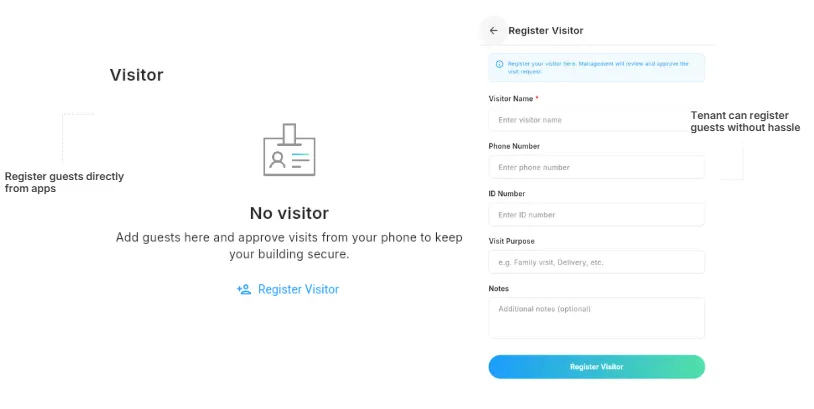
Visitor
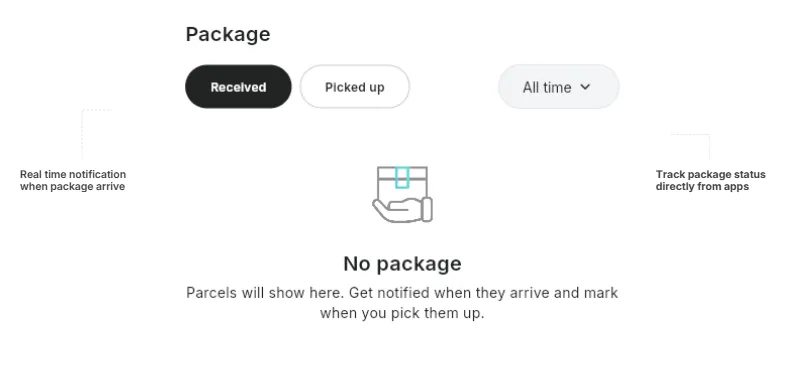
Package
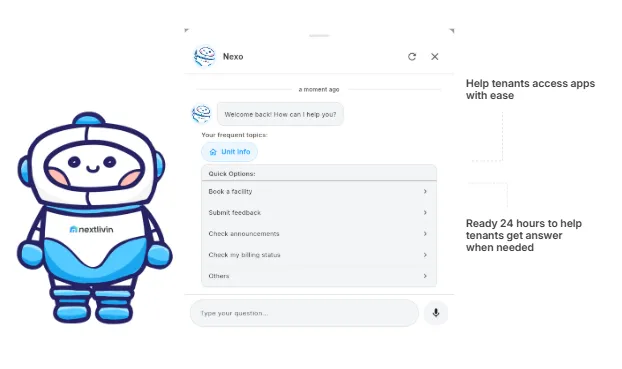
AI Chatbot
WHY US
CONTACT US
Start Free Trial

The Lesser-Known Roles of a Building Manager in Property Management

March 2, 2026

🏢 Industry Insight

In the modern property industry, the role of a building manager is often perceived as limited to supervising daily operations. In reality, their responsibilities are far more complex and strategic. As safety standards, government regulations, and tenant expectations for fast and transparent services continue to increase, building managers have become central figures in maintaining operational stability.

According to standards from IFMA (International Facility Management Association), facility management goes beyond physical maintenance — it includes risk management, cost efficiency, and asset value enhancement.

Although their work is not always visible to tenants, its impact is crucial to the comfort, safety, and sustainability of a building.


📘 Content

1. Risk Management and Regulatory Compliance

One of the lesser-known responsibilities of a building manager is ensuring that the building consistently complies with government regulations, such as:

  • Fire safety standards
  • Elevator and electrical system certifications
  • Occupational Health and Safety (OHS) procedures
  • Operational permits and documentation

Building managers must ensure all documents remain valid, routine inspections are conducted, and no violations occur that could result in legal sanctions.


2. Budget Control and Operational Efficiency

Building managers are also responsible for managing the building’s operational budget, including:

  • Maintenance costs
  • Vendor contracts
  • Emergency expenses
  • Sinking fund management

They must balance cost control with service quality. Vendor negotiation strategies and annual budgeting planning are essential parts of this role.


3. Crisis and Emergency Management

In emergency situations such as fires, floods, power outages, or security incidents, the building manager serves as the main coordinator.

They must:

  • Activate emergency response procedures
  • Coordinate with security and technical teams
  • Communicate clearly with tenants
  • Maintain stability and prevent panic

This role requires decisiveness, speed, and strong communication skills.


4. Tenant Relationship Management

Beyond technical responsibilities, building managers play an important role in maintaining positive tenant relationships.

  • Handling complaints professionally
  • Delivering important announcements
  • Managing tenant satisfaction
  • Creating a comfortable environment

Tenant retention rates are highly influenced by the quality of management services experienced daily.


5. Enhancing Property Asset Value

Another strategic responsibility is maintaining and even increasing the property’s asset value.

A well-maintained building with organized administration and stable occupancy rates will have a higher market value. Property owners and investors rely heavily on the building manager’s performance to protect their investments.


🚀 Feature Highlight

Hidden roles of a building manager that are often overlooked:

✅ Regulatory and legal compliance supervisor
✅ Operational budget controller
✅ Emergency response coordinator
✅ Tenant satisfaction guardian
✅ Property asset value protector and enhancer

They are not merely technical supervisors but strategic managers who ensure optimal building performance.


📰 News Update

In recent years, digital transformation in building management has significantly increased. Many building managers now utilize technology-based management systems for:

  • Real-time operational monitoring
  • Digital reporting
  • Technician work tracking
  • Transparent communication with tenants

This digital shift enables building managers to work more efficiently while minimizing administrative errors and operational risks.


✅ Conclusion

The role of a building manager is far broader than it appears on the surface. They do not simply ensure that a building is clean and functional — they also:

  • Manage risks
  • Control operational costs
  • Handle crises
  • Maintain tenant satisfaction
  • Increase property value

Behind every well-operated and comfortable building, there is a strategic and professional building manager working systematically to ensure everything runs smoothly.


This Article is provided by Nextlivin, for more information about how Nextlivin can help manage your property efficiently, please kindly visit our site.


Table of Content

Contact us today for a free demo and best deals
Contact Us

This Article is provided by Nextlivin. For more information about how Nextlivin can help manage your property efficiently, please visit our site.
Infiniti Office, Bellezza BSA, 1st Floor Unit 106, Jl. Arteri Permata Hijau No.34, South Jakarta, DKI Jakarta 12210, Indonesia
© 2025 Nextlivin.com. All rights reserved.
Read More
Property management or building management, or manajemen properti atau pengelolaan gedung in Indonesian, refers to the management of real estate assets such as apartments, office buildings, and other types of properties. Jasa manajemen properti is a service that is provided by companies specializing in property management. The objective of manajemen properti is to ensure that the property is well-maintained, profitable, and meets the needs of its tenants.
A perusahaan pengelolaan properti is a company that provides property management services. They are responsible for managing day-to-day activities such as collecting rent, maintaining the property, and ensuring the safety of the tenants. Pengelolaan apartemen is a common service offered by property management companies, as they specialize in managing residential properties such as apartments.
Technology has also played a significant role in the property management industry. Aplikasi apartemen, or apartment applications, property management SaaS, property management application atau aplikasi manajemen properti, and property management system atau sistem manajemen properti, have been developed to help manage properties more efficiently. These apps provide features such as rent collection, maintenance requests, and communication tools to help improve the overall experience for property owners and tenants. There's also this fully-integrated property management system or sistem manajemen properti yang sepenuhnya terintegrasi that helps building manager by providing everything they need in one place. Overall, property management application, property management system and property management SaaS is a powerful tool for building managers that could improve the performance of the property management and tenant's well-being.
The main goal of tujuan manajemen properti adalah to maximize the value of the property while minimizing costs. Manajemen properti adalah a complex process that involves various tasks such as property maintenance, marketing, financial management, and tenant relations. Perusahaan manajemen properti are experts in these areas and provide a wide range of services to help property owners achieve their goals.
Kegiatan manajemen properti includes market research, financial analysis, lease negotiations, tenant screening, and property inspections. Manajemen properti pdf resources are available for those who want to learn more about the industry. Properti manajemen can involve managing various types of properties such as commercial, residential, and industrial. Manajemen properti perumahan, or housing property management, is a specialized area that focuses on managing residential properties such as houses, apartments, and condominiums.
Pengertian manajemen properti refers to the understanding of property management as a business. Manajemen bisnis properti involves developing and implementing strategies to maximize the profitability of the property. These strategies include marketing, financial planning, and risk management. Property management is an important aspect of real estate investing, and working with a professional company can help property owners achieve their financial goals.
Pengelolaan properti, seperti apartemen atau rumah susun, kost, perumahan, dan gedung kantor, membutuhkan manajemen yang baik agar properti tersebut dapat berjalan dengan efektif dan efisien. Pengelolaan gedung, seperti jasa pengelolaan gedung, manajemen pengelolaan gedung, dan perusahaan pengelola gedung, merupakan bagian dari manajemen properti yang sangat penting.
Pengelolaan apartemen juga menjadi aspek penting dalam manajemen properti. Aplikasi apartemen dapat membantu memudahkan pengelolaan properti seperti memudahkan penyewa untuk membayar sewa, mengajukan permintaan perbaikan, dan berkomunikasi dengan pengelola properti.
Tujuan manajemen properti adalah untuk memaksimalkan nilai properti sambil meminimalkan biaya yang dikeluarkan. Kegiatan manajemen properti meliputi perawatan properti, pemasaran, manajemen keuangan, dan hubungan dengan penyewa.
Manajemen properti pdf juga tersedia sebagai sumber pembelajaran bagi mereka yang ingin mempelajari lebih lanjut tentang industri properti. Perusahaan manajemen properti adalah ahli di bidang ini dan memberikan berbagai layanan untuk membantu pemilik properti mencapai tujuan mereka.
Manajemen properti perumahan adalah bidang khusus yang berfokus pada pengelolaan properti perumahan seperti rumah, apartemen, dan kondominium. Properti manajemen menjadi penting bagi investasi properti, dan bekerja dengan perusahaan manajemen properti yang profesional dapat membantu pemilik properti mencapai tujuan keuangan mereka.
Dengan pengertian manajemen properti dan manajemen bisnis properti, pemilik properti dapat mengoptimalkan nilai properti mereka dengan strategi pemasaran, perencanaan keuangan, dan manajemen risiko yang baik. Oleh karena itu, pengelolaan properti yang baik sangatlah penting untuk mencapai kesuksesan dalam industri properti.
Property management in Jakarta, Surabaya, Malang, Bandung, Yogyakarta, Semarang, Denpasar, Makassar, Medan, Palembang, Batam, Balikpapan, Banjarmasin, Samarinda, Manado, Depok, Bekasi, Tangerang, Bogor, Solo, Maluku, Banda Aceh, Pekanbaru, Jambi, Bengkulu, Lampung, and Pontianak is an essential service for property owners and managers in their respective cities. These services typically include the management of unit and tenant data with custom fields controlled by property managers, automated IPL invoicing for fee charging, facility management to assist building managers in setting facility availability schedules and help tenants book facilities (similar to an automated digital logbook), among others.
Effective property management is crucial for maintaining the value of a property and ensuring tenant satisfaction. This is especially important in large cities like Jakarta, Surabaya, and Bandung, where demand for high-quality rental properties is high. A property manager can help ensure that a property is well-maintained, secure, and equipped with modern amenities, making it more attractive to prospective tenants.
In addition to managing individual properties, property managers in these cities may also offer community management services. This involves managing shared amenities and spaces such as swimming pools, gyms, and common areas, and ensuring that they are kept clean, functional, and available to all residents.
Overall, whether you are a property owner or tenant, it's important to choose an experienced, reliable property management company that provides high-quality services. With the right property management team in place, you can ensure that your property is well-maintained and that your tenants are happy and satisfied.
crossmenu