PRODUCT
For Team

DATA MANAGEMENT

Manage data and documents in one place.
Property
Unit
User
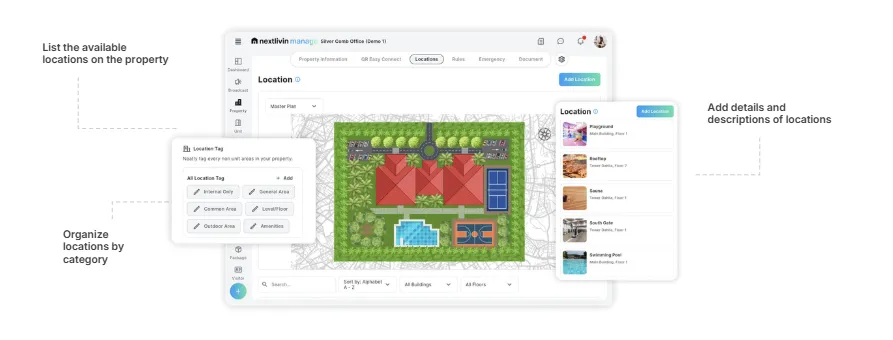
Location
Document
Inventory

WORK PROCESS

Simplify tasks with AI and automation.
Worktrack
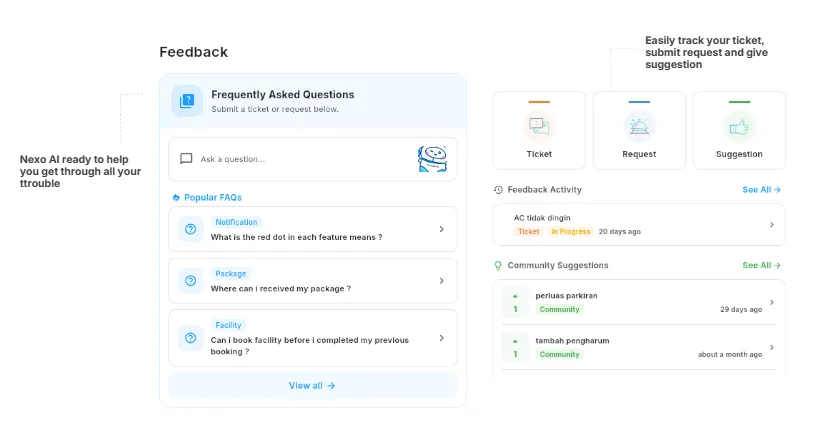
Feedback
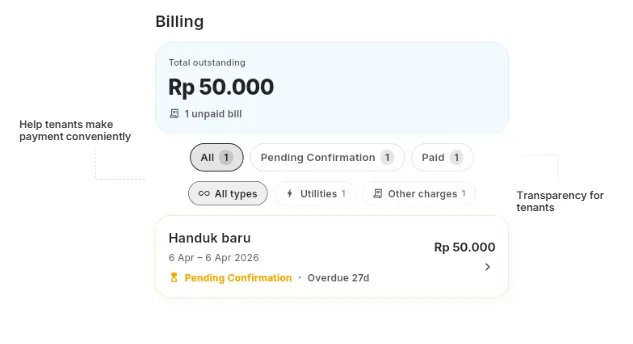
Billing
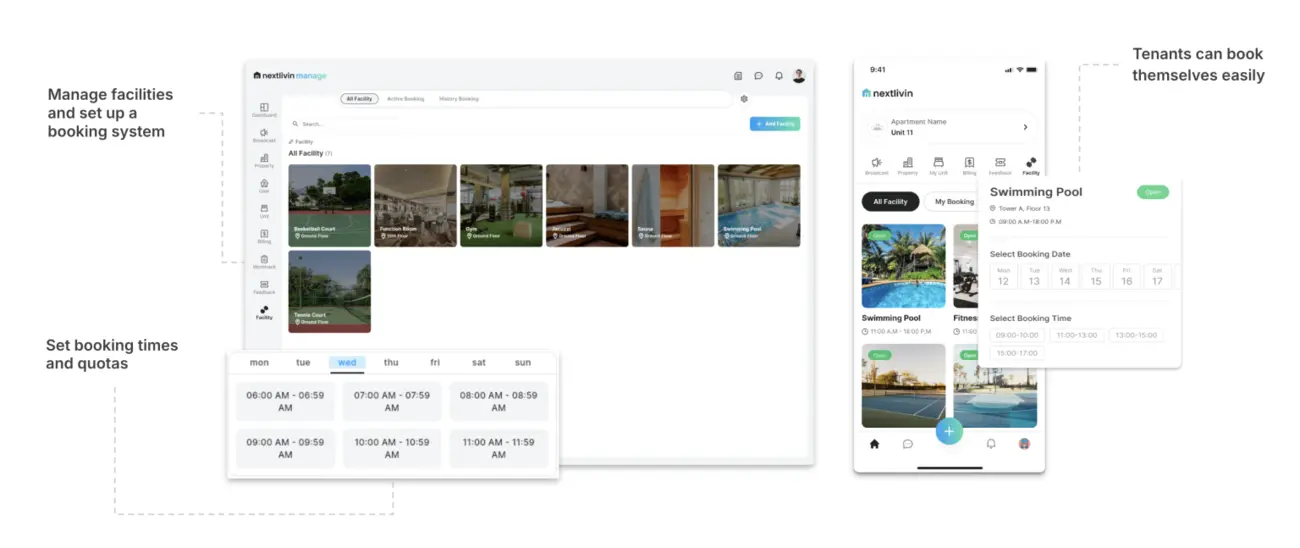
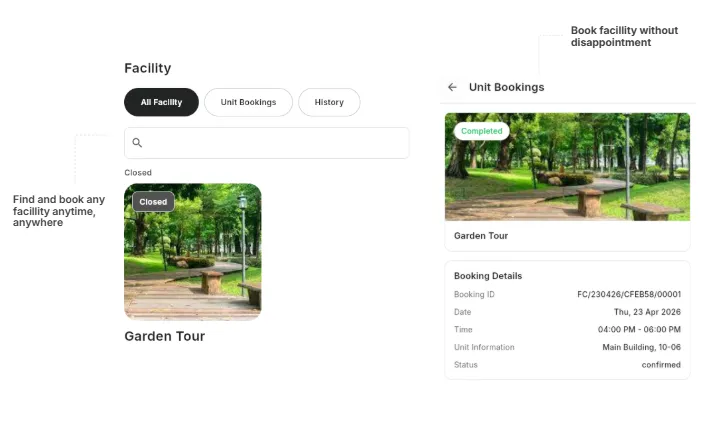
Facility
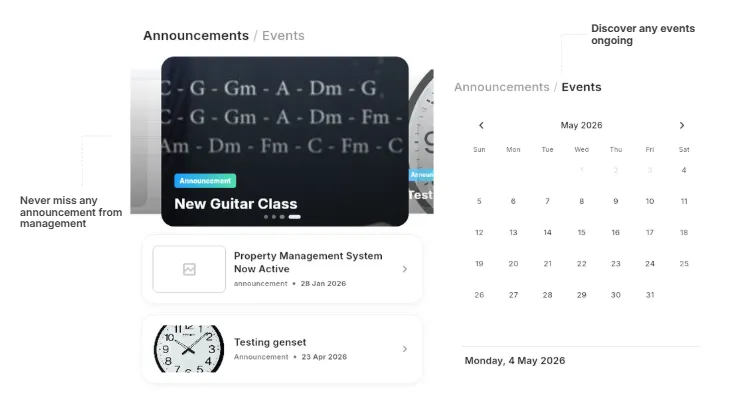
Broadcast
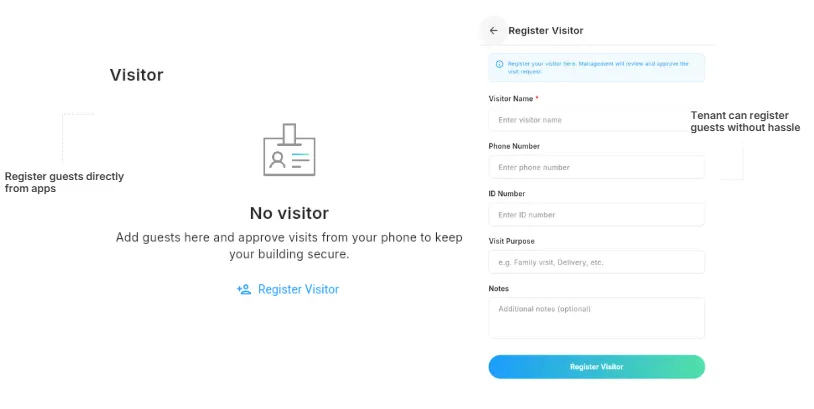
Visitor
Package

REPORTING

Easy reporting processes with real-time data.
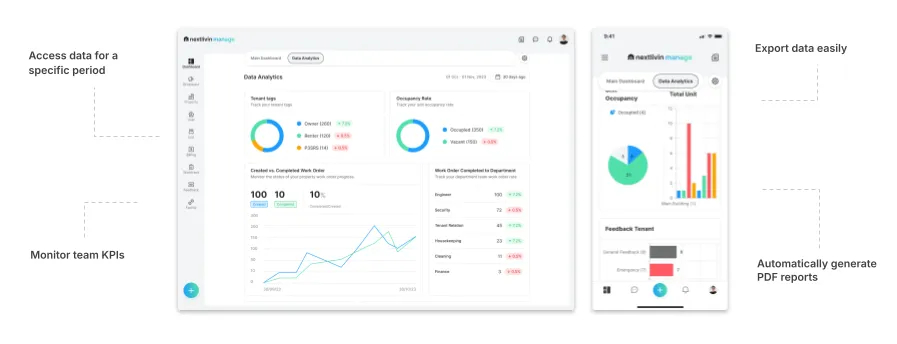
Dashboard Analytic
Generate Report
For Tenant

TENANT EXPERIENCE

Simplify tenant lives and enhance their satisfaction.
Feedback
Billing
Facility
Broadcast
Visitor
Package
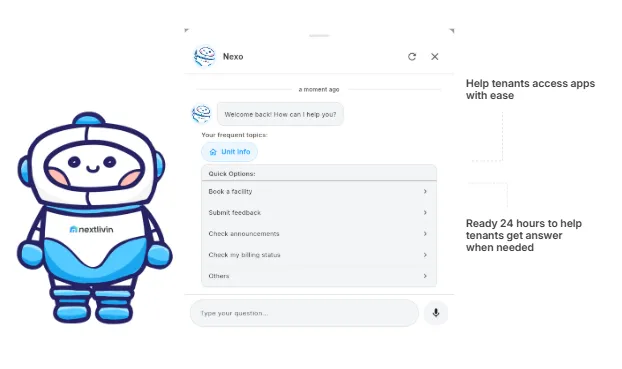
AI Chatbot
WHY US
CONTACT US
Start Free Trial

The Importance of Legal and Administrative Compliance in Building Management

February 20, 2026

Industry Insight

In the property and facilities management industry, a building is not merely a physical structure — it is a high-value asset operating within a complex legal and administrative framework. Compliance with building regulations, operational permits, safety certifications, and administrative documentation is not just a formality — it is the foundation that ensures safety, legal credibility, and long-term sustainability.

Regulatory compliance ensures that a building’s development, structure, safety systems, and operational functions meet established technical standards. Without proper compliance, property owners and management companies may face administrative sanctions, operational restrictions, financial penalties, or even forced closures.

In today’s highly regulated environment, compliance is no longer optional — it is a core business requirement.


Why Legal and Administrative Compliance Matters?

In the context of managing office buildings, residential complexes, commercial spaces, or mixed-use developments, legal and administrative compliance plays a critical role in risk management and operational excellence.

1️⃣ Protecting Occupants and Building Users

Compliance with safety standards ensures that structural integrity, fire protection systems, evacuation routes, electrical systems, and other facilities function as intended. This significantly reduces the risk of accidents, liabilities, and reputational damage.

2️⃣ Ensuring Operational Continuity

Complete and well-managed permits provide operational certainty. During inspections or audits by authorities, properly maintained documentation allows operations to continue without disruption.

3️⃣ Strengthening Business Reputation and Commercial Value

A fully compliant building reflects professionalism and strong governance. This increases tenant confidence, enhances investor trust, and improves the building’s competitiveness in leasing negotiations and financing opportunities.

4️⃣ Minimizing Legal and Financial Risk

Non-compliance can lead to fines, lawsuits, insurance complications, and costly corrective actions. Preventive compliance is far more cost-effective than reactive remediation.


The Importance of Legal and Administrative Compliance

Feature Highlight — The Critical Role of the Building Manager

The Building Manager serves as the frontline leader in ensuring legal and administrative compliance. Their responsibilities extend beyond daily operations into strategic risk management.

🔹 Regulatory Coordination and Monitoring

Building Managers must stay updated with regulatory changes, permit renewals, reporting deadlines, and inspection schedules.

🔹 Legal Documentation Oversight

All permits, certifications, vendor contracts, insurance policies, and compliance documents must be organized, accessible, and systematically monitored.

🔹 Internal Audits and Risk Control

Routine administrative audits help identify compliance gaps before they escalate into serious issues.

🔹 Stakeholder Communication

Effective communication with local authorities, consultants, tenants, and internal teams ensures transparency and alignment in compliance efforts.

🔹 Team Education and SOP Implementation

Educating operational teams about regulatory standards and ensuring adherence to Standard Operating Procedures (SOPs) strengthens compliance at every level.

In modern building management, compliance leadership is a defining competency.


News Update

Globally, regulatory enforcement in building management continues to tighten. Authorities are increasing inspections related to structural safety, fire compliance, environmental standards, and certification authenticity.

Recent cases in various regions have demonstrated how unauthorized modifications, incomplete documentation, or improper certifications can lead to safety declarations, legal disputes, and operational shutdowns. These incidents highlight a key lesson: compliance failures are not merely administrative oversights — they represent strategic risks.

As urban development accelerates and smart building systems become more integrated, compliance standards are expected to become even more rigorous.


The Importance of Legal and Administrative Compliance

Conclusion: Compliance is a Strategy — Not a Burden

Legal and administrative compliance in building management should not be viewed as a bureaucratic obligation, but as a strategic enabler that:

✅ Ensures physical and legal safety
✅ Protects property investment value
✅ Strengthens corporate credibility
✅ Improves operational efficiency through structured governance

The Building Manager plays a decisive role in translating regulations into practical implementation. By embedding compliance into daily operations and long-term strategy, organizations can build not only compliant properties — but resilient and sustainable assets.

In today’s competitive property landscape, compliance is not a cost center.
It is a foundation for trust, growth, and long-term success.


This Article is provided by Nextlivin, for more information about how Nextlivin can help manage your property efficiently, please kindly visit our site.


Table of Content

Contact us today for a free demo and best deals
Contact Us

This Article is provided by Nextlivin. For more information about how Nextlivin can help manage your property efficiently, please visit our site.
Infiniti Office, Bellezza BSA, 1st Floor Unit 106, Jl. Arteri Permata Hijau No.34, South Jakarta, DKI Jakarta 12210, Indonesia
© 2025 Nextlivin.com. All rights reserved.
Read More
Property management or building management, or manajemen properti atau pengelolaan gedung in Indonesian, refers to the management of real estate assets such as apartments, office buildings, and other types of properties. Jasa manajemen properti is a service that is provided by companies specializing in property management. The objective of manajemen properti is to ensure that the property is well-maintained, profitable, and meets the needs of its tenants.
A perusahaan pengelolaan properti is a company that provides property management services. They are responsible for managing day-to-day activities such as collecting rent, maintaining the property, and ensuring the safety of the tenants. Pengelolaan apartemen is a common service offered by property management companies, as they specialize in managing residential properties such as apartments.
Technology has also played a significant role in the property management industry. Aplikasi apartemen, or apartment applications, property management SaaS, property management application atau aplikasi manajemen properti, and property management system atau sistem manajemen properti, have been developed to help manage properties more efficiently. These apps provide features such as rent collection, maintenance requests, and communication tools to help improve the overall experience for property owners and tenants. There's also this fully-integrated property management system or sistem manajemen properti yang sepenuhnya terintegrasi that helps building manager by providing everything they need in one place. Overall, property management application, property management system and property management SaaS is a powerful tool for building managers that could improve the performance of the property management and tenant's well-being.
The main goal of tujuan manajemen properti adalah to maximize the value of the property while minimizing costs. Manajemen properti adalah a complex process that involves various tasks such as property maintenance, marketing, financial management, and tenant relations. Perusahaan manajemen properti are experts in these areas and provide a wide range of services to help property owners achieve their goals.
Kegiatan manajemen properti includes market research, financial analysis, lease negotiations, tenant screening, and property inspections. Manajemen properti pdf resources are available for those who want to learn more about the industry. Properti manajemen can involve managing various types of properties such as commercial, residential, and industrial. Manajemen properti perumahan, or housing property management, is a specialized area that focuses on managing residential properties such as houses, apartments, and condominiums.
Pengertian manajemen properti refers to the understanding of property management as a business. Manajemen bisnis properti involves developing and implementing strategies to maximize the profitability of the property. These strategies include marketing, financial planning, and risk management. Property management is an important aspect of real estate investing, and working with a professional company can help property owners achieve their financial goals.
Pengelolaan properti, seperti apartemen atau rumah susun, kost, perumahan, dan gedung kantor, membutuhkan manajemen yang baik agar properti tersebut dapat berjalan dengan efektif dan efisien. Pengelolaan gedung, seperti jasa pengelolaan gedung, manajemen pengelolaan gedung, dan perusahaan pengelola gedung, merupakan bagian dari manajemen properti yang sangat penting.
Pengelolaan apartemen juga menjadi aspek penting dalam manajemen properti. Aplikasi apartemen dapat membantu memudahkan pengelolaan properti seperti memudahkan penyewa untuk membayar sewa, mengajukan permintaan perbaikan, dan berkomunikasi dengan pengelola properti.
Tujuan manajemen properti adalah untuk memaksimalkan nilai properti sambil meminimalkan biaya yang dikeluarkan. Kegiatan manajemen properti meliputi perawatan properti, pemasaran, manajemen keuangan, dan hubungan dengan penyewa.
Manajemen properti pdf juga tersedia sebagai sumber pembelajaran bagi mereka yang ingin mempelajari lebih lanjut tentang industri properti. Perusahaan manajemen properti adalah ahli di bidang ini dan memberikan berbagai layanan untuk membantu pemilik properti mencapai tujuan mereka.
Manajemen properti perumahan adalah bidang khusus yang berfokus pada pengelolaan properti perumahan seperti rumah, apartemen, dan kondominium. Properti manajemen menjadi penting bagi investasi properti, dan bekerja dengan perusahaan manajemen properti yang profesional dapat membantu pemilik properti mencapai tujuan keuangan mereka.
Dengan pengertian manajemen properti dan manajemen bisnis properti, pemilik properti dapat mengoptimalkan nilai properti mereka dengan strategi pemasaran, perencanaan keuangan, dan manajemen risiko yang baik. Oleh karena itu, pengelolaan properti yang baik sangatlah penting untuk mencapai kesuksesan dalam industri properti.
Property management in Jakarta, Surabaya, Malang, Bandung, Yogyakarta, Semarang, Denpasar, Makassar, Medan, Palembang, Batam, Balikpapan, Banjarmasin, Samarinda, Manado, Depok, Bekasi, Tangerang, Bogor, Solo, Maluku, Banda Aceh, Pekanbaru, Jambi, Bengkulu, Lampung, and Pontianak is an essential service for property owners and managers in their respective cities. These services typically include the management of unit and tenant data with custom fields controlled by property managers, automated IPL invoicing for fee charging, facility management to assist building managers in setting facility availability schedules and help tenants book facilities (similar to an automated digital logbook), among others.
Effective property management is crucial for maintaining the value of a property and ensuring tenant satisfaction. This is especially important in large cities like Jakarta, Surabaya, and Bandung, where demand for high-quality rental properties is high. A property manager can help ensure that a property is well-maintained, secure, and equipped with modern amenities, making it more attractive to prospective tenants.
In addition to managing individual properties, property managers in these cities may also offer community management services. This involves managing shared amenities and spaces such as swimming pools, gyms, and common areas, and ensuring that they are kept clean, functional, and available to all residents.
Overall, whether you are a property owner or tenant, it's important to choose an experienced, reliable property management company that provides high-quality services. With the right property management team in place, you can ensure that your property is well-maintained and that your tenants are happy and satisfied.
crossmenu