by

🏢 Industry Insight
In modern building management—whether apartments, office towers, or commercial properties—assets and inventory play a crucial role in ensuring smooth operations. From technical equipment, spare parts, and cleaning supplies to electronic assets, everything must be properly recorded and controlled.
However, many building management teams still rely on manual systems such as notebooks or separate spreadsheets. These methods often result in:
- Unsynchronized data
- Stock discrepancies or loss
- Difficulty tracking item usage
- Limited historical asset records
In the digital era, technology-based inventory systems have become a strategic solution to improve transparency, efficiency, and accuracy in asset management. One solution specifically designed for building management needs is the inventory system from Nextlivin.
📘 Content
1. Centralized and Systematic Asset Recording
A digital inventory system allows all asset and item data to be recorded within one integrated platform. Building managers can monitor in real time:
- Available stock quantities
- Storage locations
- Item status (active, damaged, under repair)
- Usage history
With a centralized system, the risk of data loss or duplicate entries is significantly minimized.
2. Real-Time Stock Monitoring
One of the greatest advantages of a digital system is real-time stock monitoring. When items are used or moved, the system automatically updates the data.
This helps to:
- Prevent unexpected stock shortages
- Control operational expenses
- Improve purchasing planning accuracy
Procurement decisions are no longer based on assumptions, but on actual data.
3. Transparency and Accountability
In building operations, transparency is essential—especially when multiple teams are involved, such as technicians, housekeeping, and management.
With a digital inventory system:
- Every item withdrawal is recorded
- The responsible person (PIC) is documented
- Date and time of transactions are automatically stored
This increases accountability and reduces the risk of asset misuse.
4. Efficient Auditing and Reporting
Manual inventory audits can be time-consuming. A digital system enables automatic report generation that can be accessed anytime.
Building managers can easily prepare:
- Monthly stock reports
- Item usage summaries
- Inventory expense analysis
- Long-term asset history records
All data is neatly stored and ready for evaluation or reporting to property owners.

🚀 Feature Highlight
Key Advantages of the Nextlivin Inventory System:
- ✅ Asset and item recording in a single dashboard
- ✅ Automatic and real-time stock updates
- ✅ Complete usage history tracking
- ✅ Asset location and status monitoring
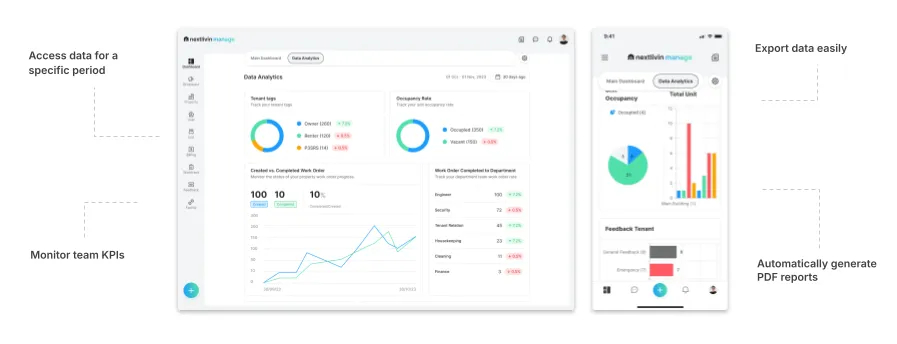
- ✅ Downloadable inventory reports anytime
This system is designed to support structured, transparent, and professional building operations.
📰 News Update
The digitalization trend in the property industry has significantly increased in recent years. Many building management companies are adopting technology-based systems to improve efficiency and reduce human error.
Property management platforms like Nextlivin continue to develop features that support comprehensive building operations, including integrated digital inventory systems.
Today, inventory digitalization has become a new standard in modern building management that prioritizes data accuracy, transparency, and cost efficiency.

✅ Conclusion
A digital system for building inventory management is no longer just an additional tool—it is a fundamental requirement for modern operations.
With Nextlivin’s inventory system, building managers can:
- Control assets in real time
- Reduce the risk of loss and recording errors
- Improve transparency across teams
- Simplify audits and reporting
Inventory digitalization is a strategic step toward creating more efficient, accurate, and sustainable building management.

This Article is provided by Nextlivin, for more information about how Nextlivin can help manage your property efficiently, please kindly visit our site.