by

Industry Insight
In recent years, the world has faced various geopolitical conflicts that have increased global economic uncertainty. Tensions between countries, regional conflicts, and large-scale wars not only affect military and political sectors but also influence many industries, including the property sector.
The real estate industry is highly sensitive to economic conditions and political stability. When conflicts or wars occur, investors tend to be more cautious in allocating their funds. This uncertainty can affect property development projects, land prices, and investment decisions in many countries.
On the other hand, changing global conditions can also create new opportunities in certain property markets, particularly in countries or cities considered more stable and secure for investment.
Content
Wars and international conflicts can influence the property sector in several ways. One of the most visible impacts is increased economic uncertainty, which causes investors to delay or redirect their investments.
In addition, conflicts often trigger increases in energy prices and construction materials. When the cost of oil, gas, or logistics rises, the cost of property development also increases. As a result, developers may postpone new projects or increase property prices to cover the additional costs.
Another impact is the shift in migration patterns and housing demand. Conflicts in certain regions can force people to move to safer countries or cities. This situation can increase housing demand in those areas, which may drive growth in local property markets.

Feature Highlight
Changes in Property Investment Patterns
One of the key impacts of global conflicts is the shift in real estate investment strategies. During periods of geopolitical instability, investors tend to look for safer and more stable markets.
Several trends commonly emerge:
1. Increased investment in stable cities
Investors tend to move their investments to countries or cities with stronger economic and political stability.
2. Focus on residential properties
During economic uncertainty, residential properties are often considered more stable than commercial properties.
3. Growth of smart building concepts
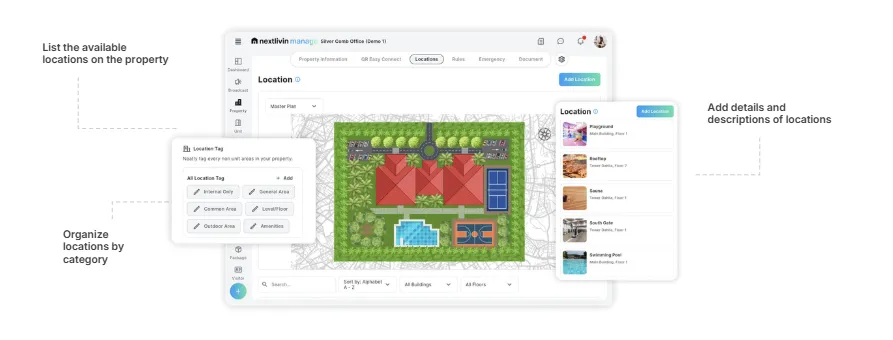
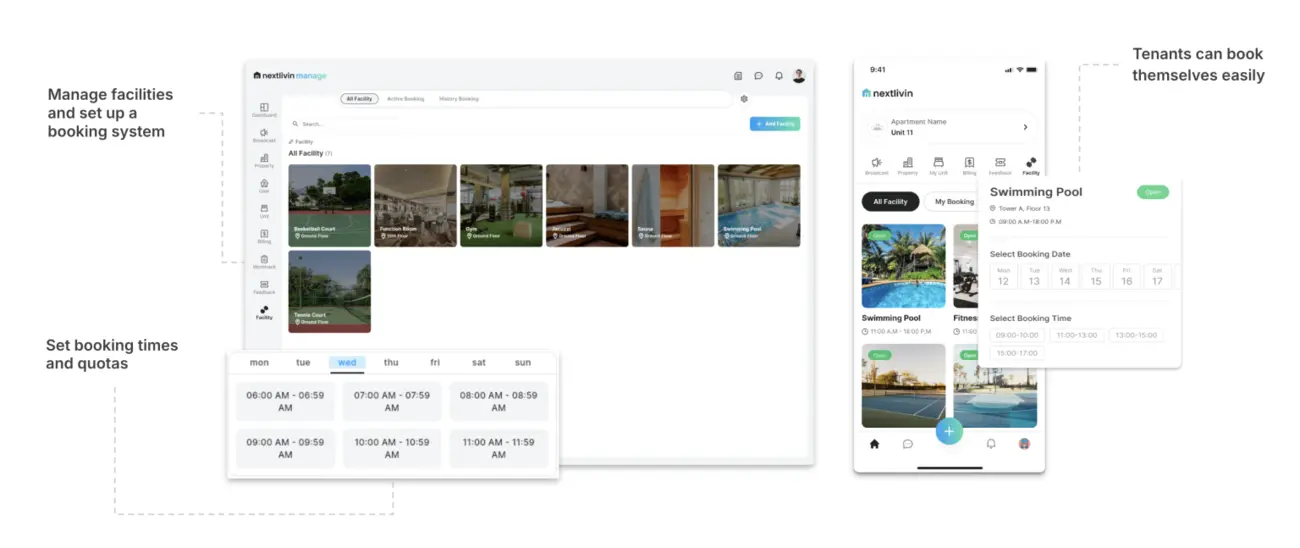
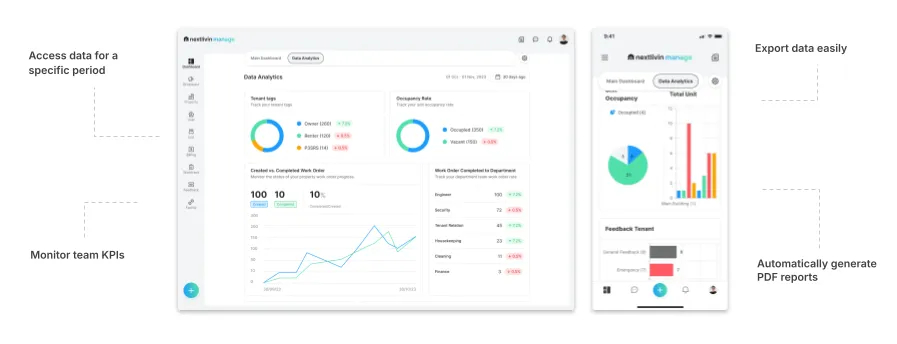
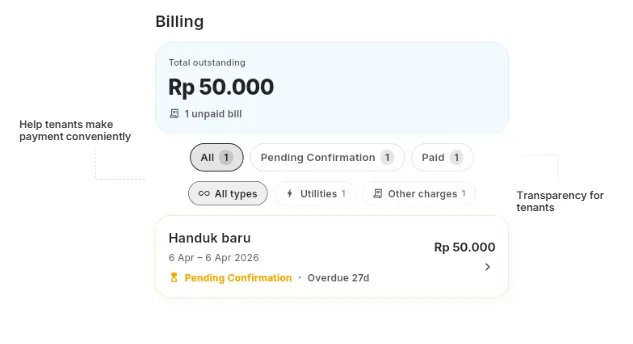
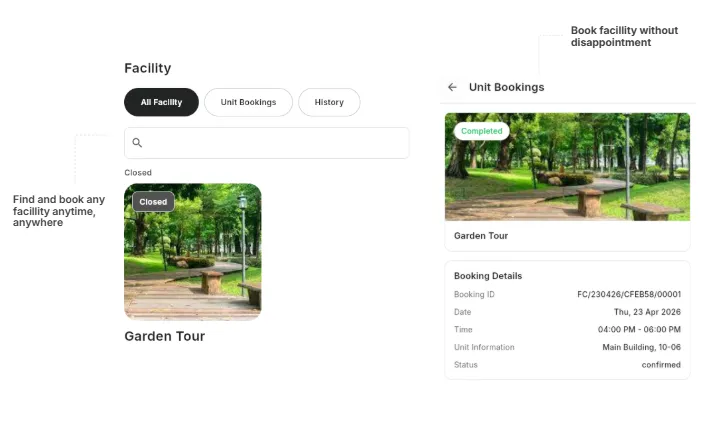
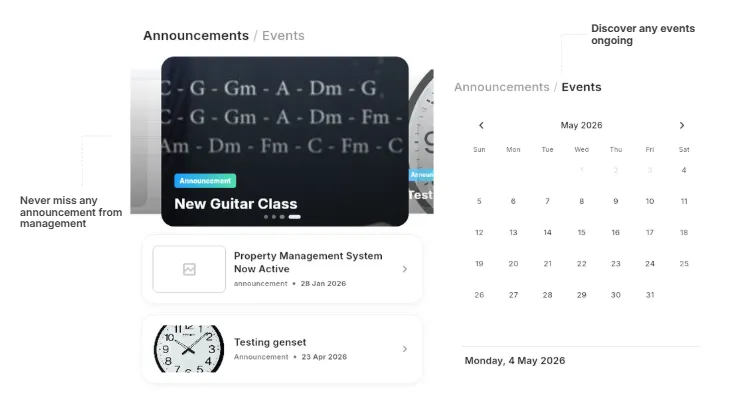
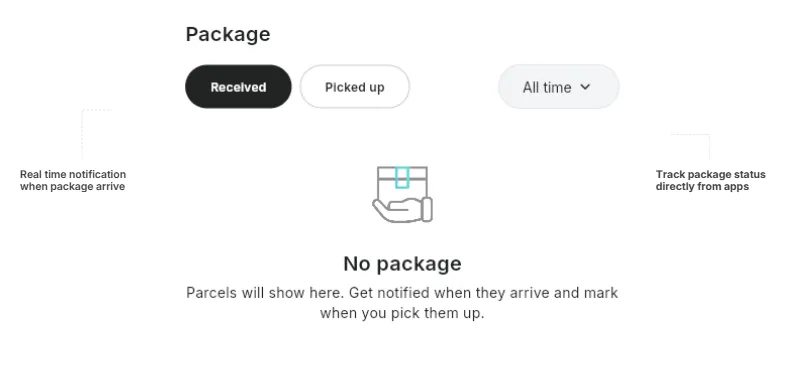
As the property sector adapts to global changes, many developers are adopting digital technologies to improve building management efficiency and enhance resident comfort.
These trends show that the property sector is influenced not only by economic conditions but also by changing investor behavior and technological development.
News Update
Recently, several international conflicts have once again drawn global attention and affected international markets. Many economic analysts note that geopolitical tensions can create volatility across various sectors, including real estate.
In some countries, property development projects have slowed down due to rising construction costs and market uncertainty. Meanwhile, several major cities are experiencing increased property demand because they are perceived as safe locations for investment and living.
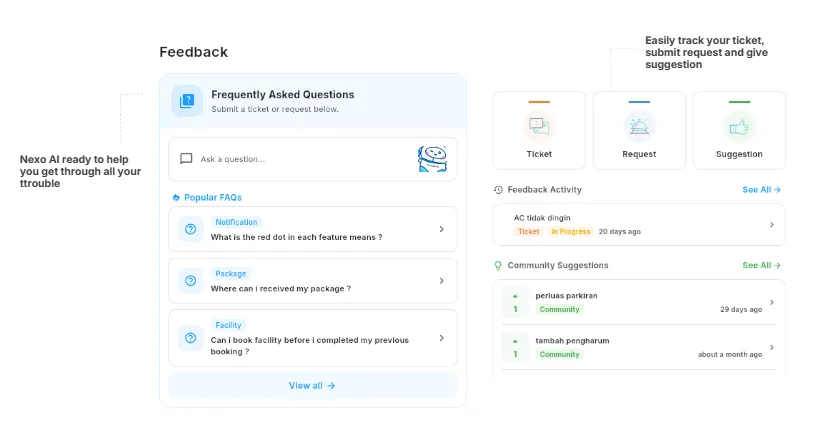
Additionally, the property sector is increasingly adopting digital technologies to improve operational efficiency, ranging from building management systems to digital platforms that facilitate communication between property managers and residents.

Conclusion
Conflicts and wars occurring in different parts of the world have significant impacts on the property sector. Economic uncertainty, rising construction costs, and changes in investment patterns are among the main factors affecting the industry's development.
However, despite these challenges, the property sector continues to demonstrate resilience and adaptability. By leveraging technology, seeking opportunities in stable markets, and understanding the evolving needs of society, the real estate industry can continue to grow even amid global uncertainty.
In the future, flexibility and innovation will be key for property industry players to remain competitive and sustainable in the face of evolving geopolitical dynamics.

This Article is provided by Nextlivin, for more information about how Nextlivin can help manage your property efficiently, please kindly visit our site.