by

Industry Insight
The property industry continues to grow alongside increasing demand for modern residential and commercial spaces. However, behind this growth, property management remains a major challenge for many managers and asset owners.
Managing a property is not just about maintaining the building itself. It also involves tenant services, operational management, maintenance, financial management, and team efficiency. Without clear systems and principles, property management can become unorganized and lead to various operational issues.
Therefore, a more modern, efficient, and structured approach is needed to ensure properties operate optimally while providing the best experience for both tenants and management teams.
Content
The best way to manage a property begins with having strong fundamental principles. One of the most important principles is operational efficiency. All processes should be simplified as much as possible without reducing service quality. The use of digital systems and automation has become one of the main solutions for reducing manual work and improving data accuracy.
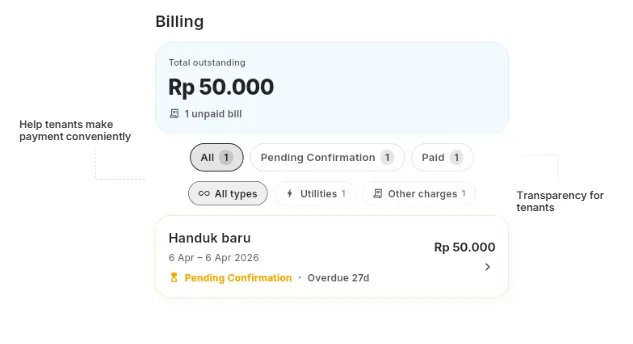
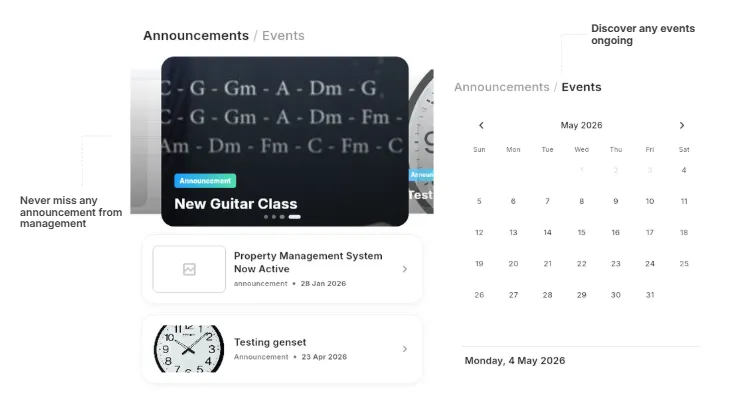
The second principle is transparency. Tenants and property owners need clear information regarding payments, maintenance, operational reports, and daily communication. Transparency helps build trust and reduce miscommunication.
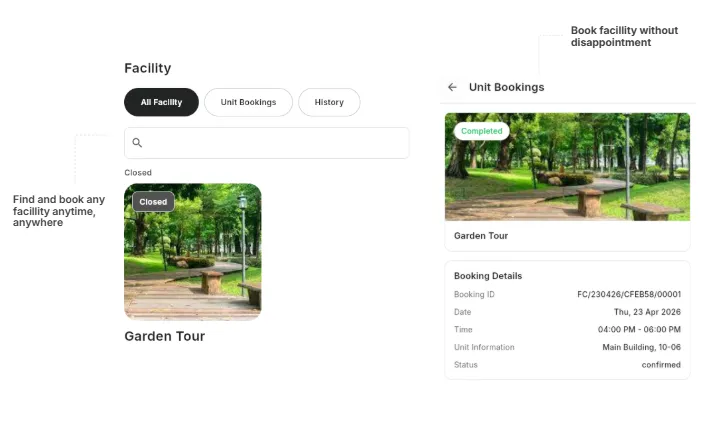
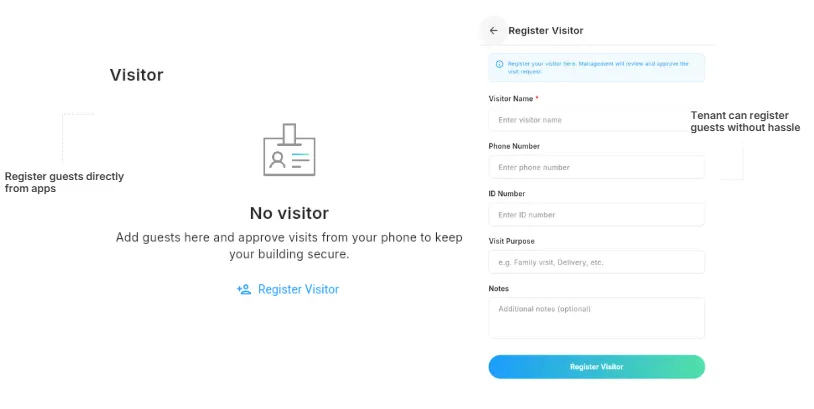
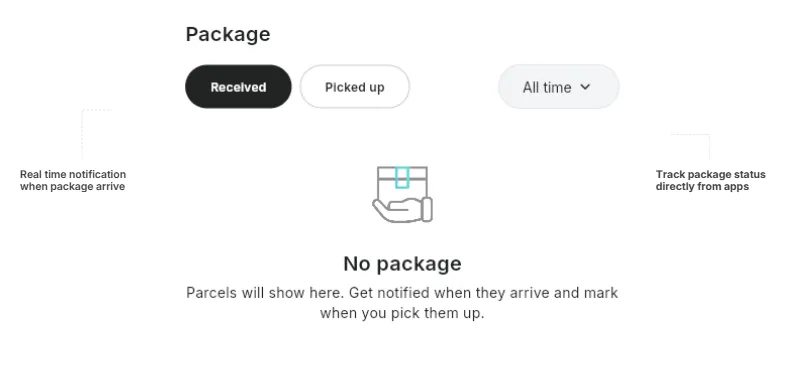
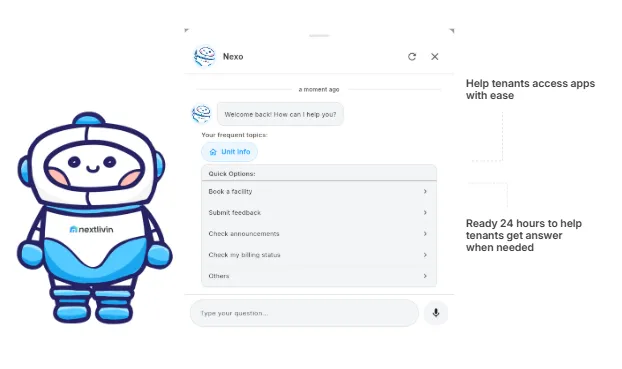
Another important principle is responsiveness toward tenants. Modern tenants expect fast and practical services. Property managers must be able to respond efficiently to tenant needs, from complaints to facility service requests.
Another key principle is preventive maintenance. Many major property issues occur due to a lack of monitoring and routine maintenance. With a proper maintenance system, managers can reduce the risk of major damage and unexpected operational costs.
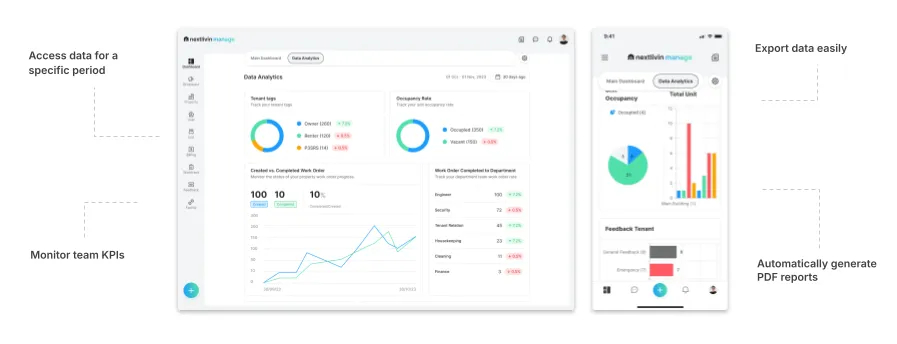
In addition, the use of data has become increasingly important. Operational data analysis helps managers understand building usage patterns, financial performance, and tenant needs, allowing for more accurate decision-making.
In today’s digital era, properties managed through modern and integrated systems have greater opportunities to grow and maintain tenant satisfaction.

Feature Highlight
1. Operational Efficiency
Reduce manual processes through digital systems and work automation.
2. Transparent Management
All operational and billing information can be accessed clearly and accurately.
3. Responsive Tenant Services
Fast responses to tenant needs improve comfort and loyalty.
4. Preventive Maintenance
Routine maintenance helps prevent major damage and reduce costs.
5. Data-Driven Decision Making
Data analysis helps improve operational strategies and property efficiency.
News Update
Today, property management trends are shifting toward smart property management concepts. Many building and apartment managers are adopting cloud-based systems, AI, and real-time monitoring dashboards to improve efficiency.
In addition, modern tenants now prefer properties that offer digital, transparent, and easily accessible services through applications.
As competition in the property industry increases, the use of technology and the implementation of modern management principles have become key factors in maintaining service quality and property value.

Conclusion
Efficient property management requires more than just daily operations. It requires core principles such as efficiency, transparency, excellent tenant service, preventive maintenance, and technology utilization.
By implementing modern and structured management systems, property managers can improve service quality while maintaining long-term property value.
In the digital era, successful properties are not only those with strategic locations, but also those capable of delivering the best experience through professional and efficient management.

This Article is provided by Nextlivin, for more information about how Nextlivin can help manage your property efficiently, please kindly visit our site.