by

Industry Insight
Many residential and commercial buildings constructed decades ago remain operational today. However, as buildings age, various challenges begin to emerge, including rising operational costs, declining energy efficiency, aging infrastructure, and decreasing occupant comfort.
At the same time, constructing a new building is not always the most practical or economical solution. High construction costs, limited land availability, and the need to maintain ongoing operations have encouraged property owners to seek more efficient alternatives.
One solution that has gained significant attention across the property industry is building retrofitting. This approach allows older buildings to improve their performance, functionality, and sustainability without requiring complete reconstruction.
Today, retrofitting has become an essential strategy for property modernization, helping buildings remain competitive while adapting to evolving technologies and increasing occupant expectations.
What Is Building Retrofitting?
Building retrofitting is the process of upgrading existing building systems, infrastructure, and facilities to meet modern standards for efficiency, safety, sustainability, and operational performance.
Retrofitting projects may include several areas of improvement, such as:
Energy Efficiency Upgrades
Replacing conventional lighting with LED systems, installing automated sensors, and improving the efficiency of air conditioning and ventilation systems.
Mechanical and Electrical Modernization
Upgrading electrical panels, pumps, generators, heating, ventilation, and air conditioning systems to improve reliability and performance.
Enhanced Building Safety
Modernizing fire protection systems, surveillance cameras, access control systems, and other security technologies.
Structural Improvements
Strengthening building structures to improve resilience against environmental and operational risks.
Digital Transformation
Integrating modern technologies such as Property Management Systems, digital monitoring platforms, and operational dashboards.
Retrofitting is not merely about repairing aging infrastructure—it is about preparing buildings for the future.
Benefits of Retrofitting Residential Buildings
Lower Operational Costs
Modern equipment and systems typically consume less energy, helping reduce utility expenses and maintenance costs.
Improved Resident Comfort
Upgraded systems provide safer, more comfortable, and more efficient living environments for residents.
Extended Asset Lifespan
Retrofitting helps prolong the useful life of a building without the significant expense of complete redevelopment.
Increased Property Value
Modernized buildings become more attractive to prospective residents, tenants, and investors.
Support for Sustainability Goals
Energy-efficient systems and reduced resource consumption contribute to environmental sustainability initiatives.
Enhanced Competitiveness
Properties that adopt modern technologies and infrastructure upgrades are better positioned to compete in today's property market.

Feature Highlight
How Nextlivin Helps Modernize Operations in Older Buildings
While physical upgrades are an important component of retrofitting, digital transformation is equally essential for modern property management.
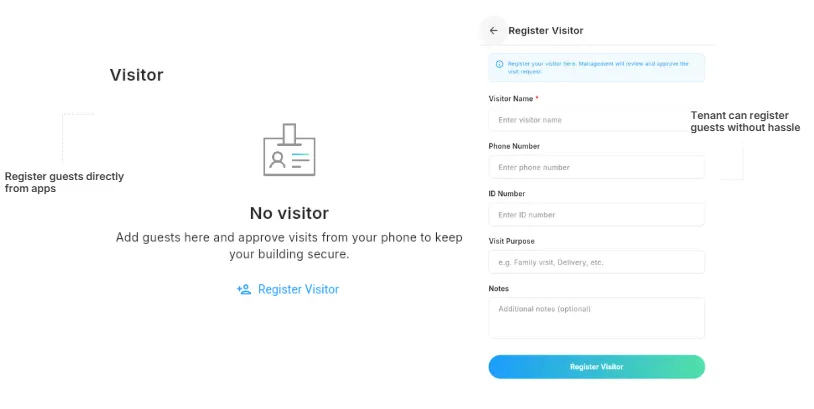
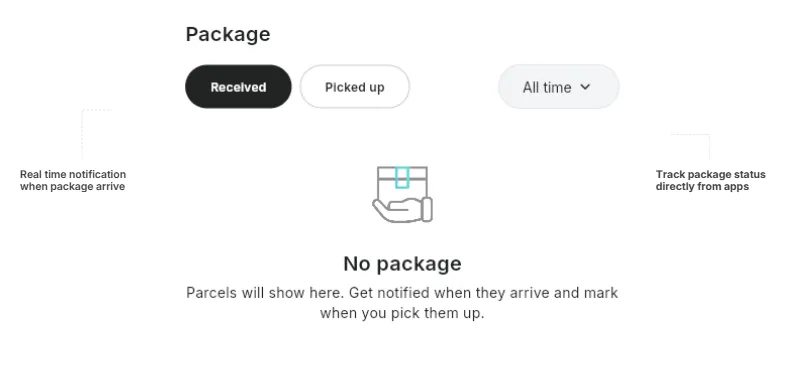
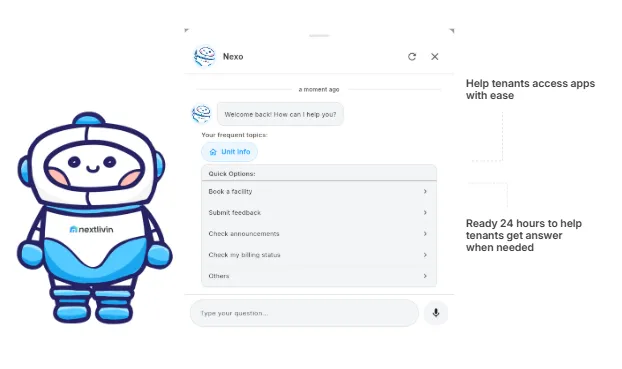
Nextlivin helps Building Managers modernize daily operations through an integrated Property Management System.
Worktrack
Streamlines maintenance activities, inspections, preventive maintenance programs, and repair management.
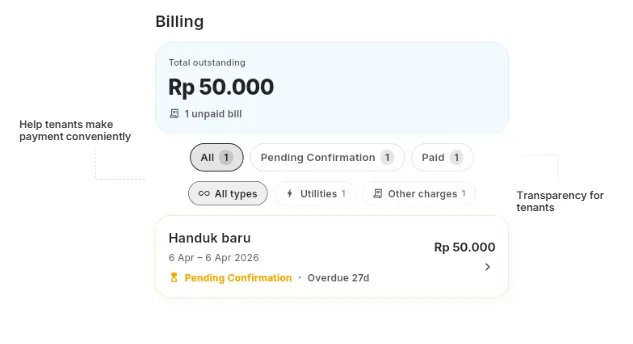
Billing Management
Automates billing processes and reduces repetitive administrative tasks while improving payment monitoring.
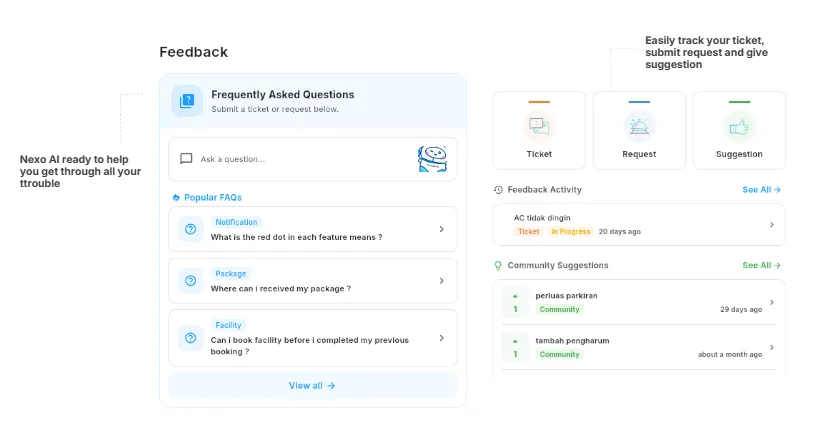
Feedback Management
Ensures resident feedback and complaints are properly documented, tracked, and resolved efficiently.
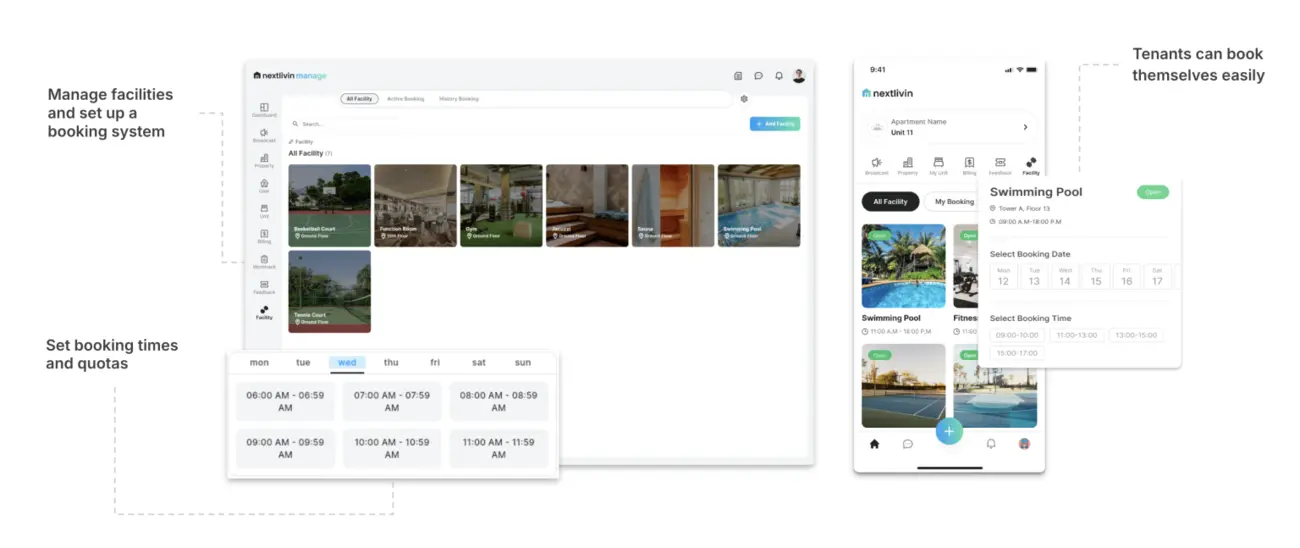
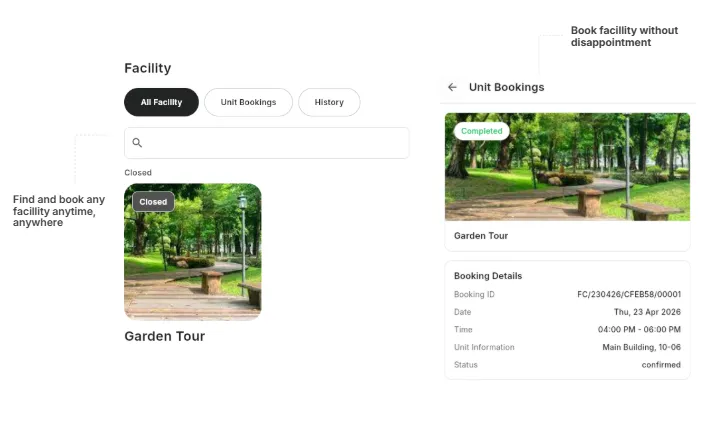
Facility Booking
Provides a modern and transparent reservation system for shared facilities and amenities.
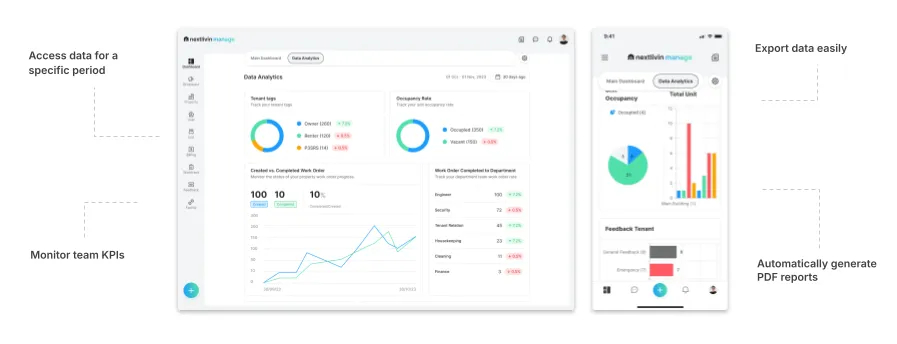
Operational Dashboard
Offers real-time visibility into building operations, enabling data-driven decision-making and improved management efficiency.
By combining physical modernization with digital transformation, property owners can maximize the value and performance of their assets.
News Update
Retrofitting continues to gain momentum worldwide as property owners focus on sustainability, operational efficiency, and asset optimization.
Many organizations now prefer upgrading existing buildings rather than constructing new ones. In addition to being more cost-effective, retrofitting significantly reduces construction waste and environmental impact.
The growing adoption of Smart Building technologies has further accelerated investments in modernizing building systems. Digital tools for energy monitoring, facility management, predictive maintenance, and resident services are becoming increasingly common in both residential and commercial properties.
These trends demonstrate that the future of real estate is not always about building from the ground up—it is also about maximizing the potential of existing assets.

Conclusion
Building retrofitting is a strategic solution for property owners and managers seeking to improve building performance without undertaking costly redevelopment projects.
Through infrastructure upgrades, energy efficiency improvements, enhanced safety measures, and digital transformation initiatives, older buildings can remain competitive and relevant in today's evolving property market.
With technology solutions like Nextlivin, modernization efforts extend beyond physical infrastructure to include operational excellence, resident satisfaction, and data-driven management practices.
The most successful buildings of the future will not necessarily be the newest ones—they will be the buildings that continuously adapt, innovate, and evolve to meet changing demands.

This Article is provided by Nextlivin, for more information about how Nextlivin can help manage your property efficiently, please kindly visit our site.