by

Indonesia's rainy season typically begins around October and lasts until March. For building managers, building rainy season preparation is not a last-minute job done when the sky turns dark — it is a process that ideally starts now, while the weather is still friendly. The Indonesian Meteorology, Climatology, and Geophysics Agency (BMKG) regularly publishes seasonal forecasts that can serve as your starting point for scheduling building inspections.
The problem is that many buildings only "remember" rain preparation after the first incident: a leaking roof, a lift knocked out by water ingress, or a flooded basement car park. By then, the cost is far higher than a routine inspection would ever have been.
Why Rain Preparation Always Comes Too Late
Three reasons we hear most often when talking to building managers:
- Preparation is invisible. Small roof repairs or drain cleaning produce no visible "achievement," so they are easily postponed in favor of more urgent work.
- No clear owner. Rain inspections are often seen as "the engineering team's job," yet they require cross-department coordination: engineering, housekeeping, security, and administration.
- No record of last year. Buildings that don't document where leaks occurred last season start every inspection from zero.
Areas to Inspect Before the Heavy Rains
Roof and Waterproofing
Leak points rarely sit exactly where water drips. Water can travel inside the structure and emerge somewhere else — often far from the source. Check waterproofing joints, gutters, and areas around rooftop installations (antennas, AC units, water tanks). Document every point that leaked in previous seasons.
Drainage and Water Channels
Drains clogged with leaves are the most common cause of puddles. Schedule regular drain cleaning throughout the season, not just once before it starts. Also watch the area around basement gates: water flowing in from public roads often floods parking areas that are not the building's fault — yet tenants still hold the management responsible.
Genset and Electrical Installations
Electricity and water are a dangerous combination. Make sure the genset room is protected from potential flooding, that outdoor cables are in good condition, and that on-duty staff understand the emergency shutdown procedure. Test the genset regularly — the ones rarely started are the ones that most often fail when needed.
Basement Parking
Prepare water pumps, sandbag positions, and vehicle evacuation routes. Also decide who has the authority to close the basement temporarily.
Prepare an Emergency Flow and Tenant Communication
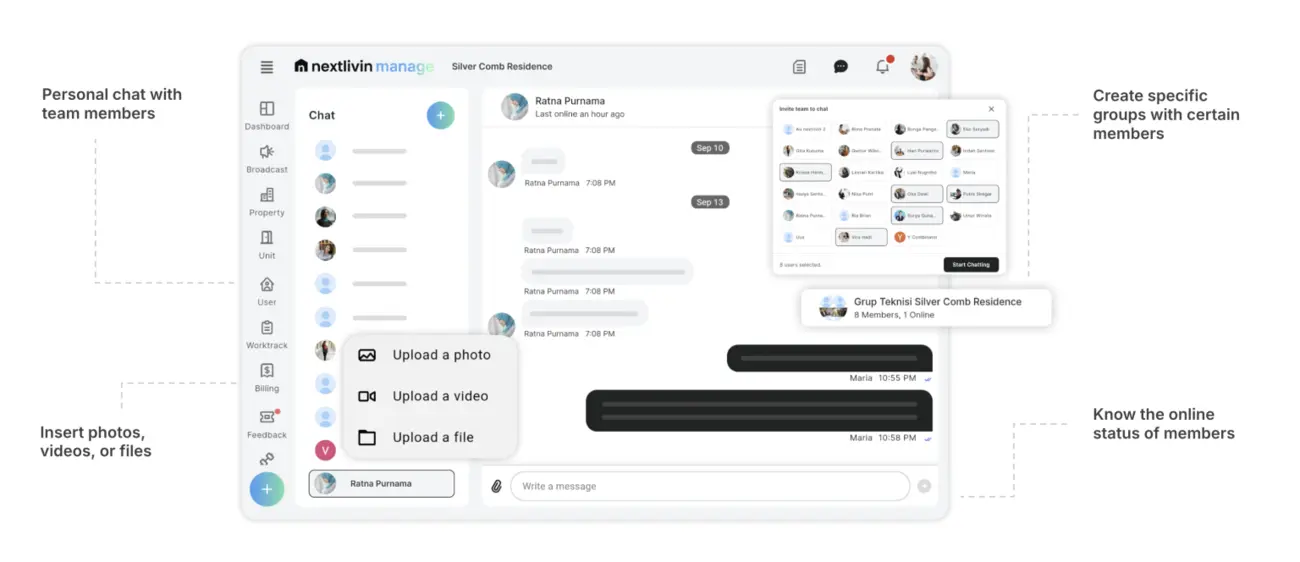
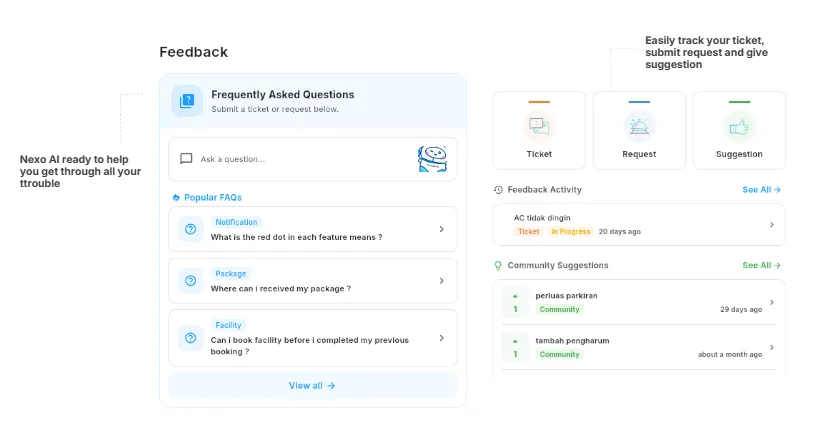
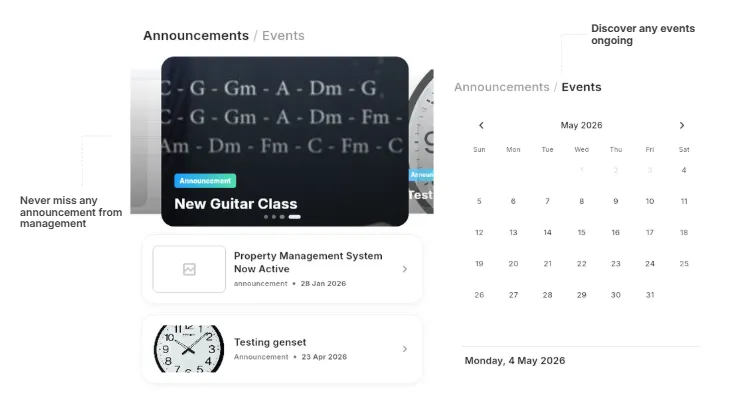
Technical preparation alone is not enough. Tenants need to know what to do: where to report a leak, the status of the basement during extreme rain, and who the emergency contact is. Use the building's official broadcast channel for this — not just once at the start of the season, but updated whenever the weather agency issues warnings.
Make Rainy Season Preparation Part of Preventive Maintenance
Rainy season preparation should not be a standalone annual project. It should be part of your building's year-round preventive maintenance schedule. Every finding from the rainy season — a leak point, a clogged drain, a weak pump — must be recorded and scheduled for repair, not fixed and forgotten.
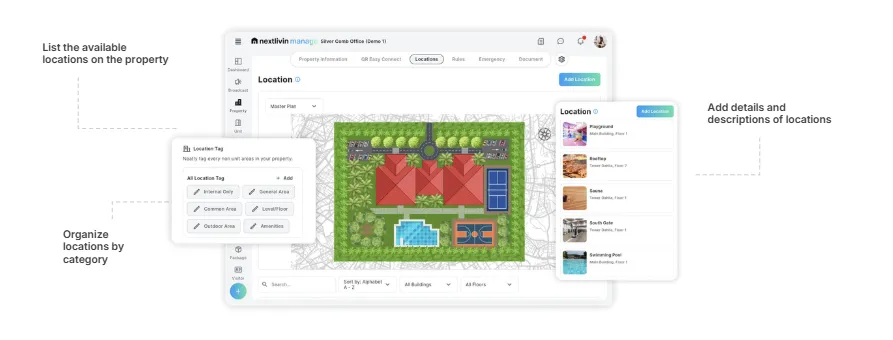
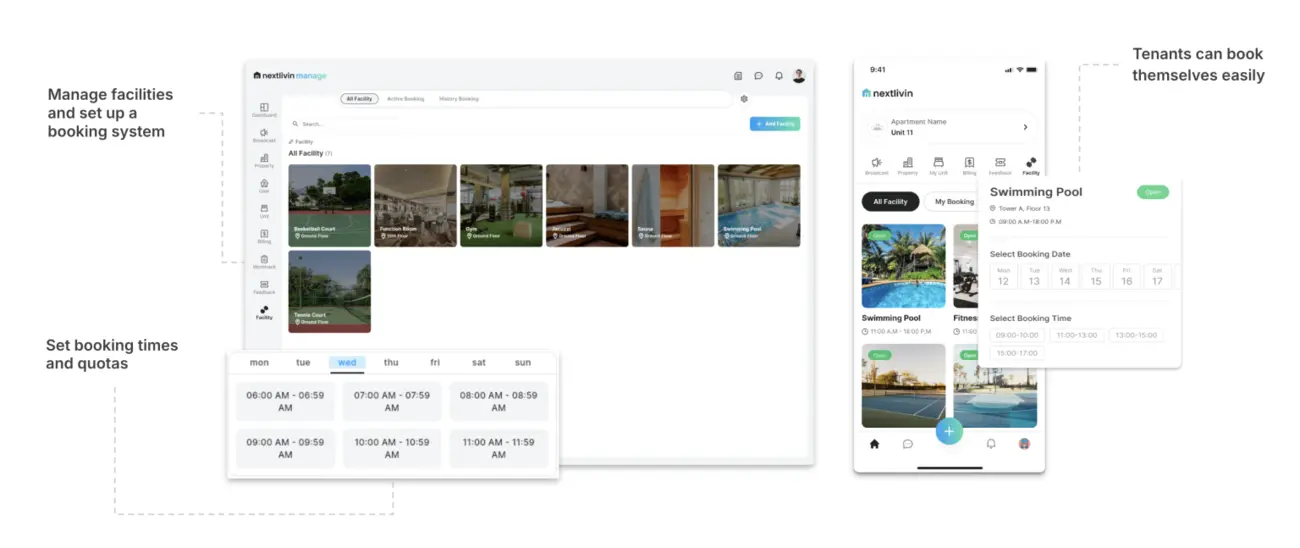
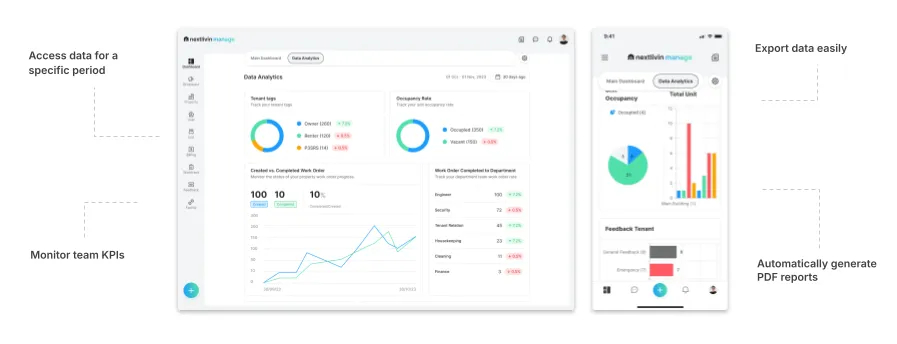
If your team still records inspections in separate spreadsheets, consider running them in a single shared system so that the history of every point in the building is stored neatly from year to year. See how Nextlivin helps building teams work more systematically.
The rainy season will always come. The question is not whether your building will face heavy rain, but whether it will be ready when it arrives. Buildings that start preparing in October usually finish the rainy season without major incidents — and without a pile of tenant complaints at the front desk.