by

Picture this: it's ten o'clock at night, and a building manager is still hunched over a laptop, flipping between five different Excel files just to figure out which tenants haven't paid rent this month. One file for tenant data, another for invoices, another for the maintenance schedule of the 12th-floor AC unit, another for complaints that came in through a personal WhatsApp chat, and one more that—somehow—has become a jumbled mix of everything because a staff member forgot to save it in the right folder. Sound familiar?
If it does, you're far from alone. This is the daily reality for thousands of building, apartment, and commercial property managers across Indonesia who still rely on a combination of Excel, WhatsApp, and human memory to manage assets worth billions of rupiah. And this is exactly why property management software has shifted from a "nice to have" into an urgent necessity in 2026. It's not just a trend to follow—it's a direct response to operational pressure that has become impossible to handle manually.
In this article, we'll break down why this shift is happening now, what's actually changing on the business and technology side, which features a modern building management app absolutely needs, and how to choose the right system without getting distracted by features that look impressive in a demo but never get used in real life.
Suggested image: a photo of a building manager in a control room monitoring a digital dashboard — alt text: "property management software Indonesia for building managers"
What Is Property Management Software, and Why Is Everyone Talking About It?

Before diving into the big reasons behind this shift, it's worth aligning on what this term actually means, because many people still assume property management software is just "an app for tracking rent."
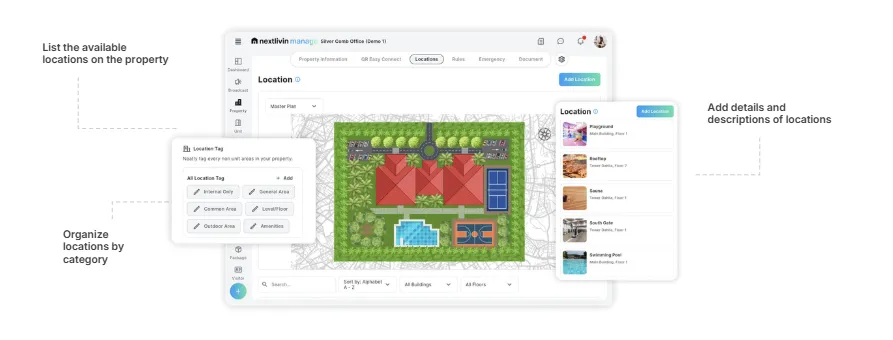
Property management software is an integrated digital system that helps property managers—whether they oversee office buildings, apartments, shophouses, industrial parks, or residential complexes—manage the entire operational cycle from a single platform. Its scope goes far beyond simple rent tracking: it covers tenant and contract management, automated billing, facility maintenance tracking, financial reporting, and resident communication. This term is often used interchangeably with building management app, although technically "building management" tends to focus more on physical facilities (elevators, AC systems, security), while property management covers the business and administrative side more broadly.
What's making this topic increasingly hard to ignore isn't just that the technology is new—it's that Indonesia's property market itself has reached a point that's pushing managers to change, whether they're ready or not.
The Classic Problems of Conventional Building Management That Cause Headaches
Before talking about solutions, it's worth being honest about the problems that the industry has long accepted as "just how things are."
First, fragmented data. Tenant information lives in one place, payment history in another, and resident complaints pour in through a WhatsApp group that's a mix of business and casual chatter. When a building owner asks for this month's occupancy report, the management team has to manually pull data from multiple sources—a process that's not only time-consuming but also prone to errors.
Second, delayed billing and revenue leakage. Without an automated system, invoices are often issued late, payment follow-ups rely on staff memory, and late fees aren't applied consistently. The impact shows up directly in cash flow.
Third, reactive rather than preventive maintenance. Technical teams only spring into action after a damage report comes in, instead of following a scheduled maintenance plan. The result is ballooning repair costs and equipment that wears out faster than it should.
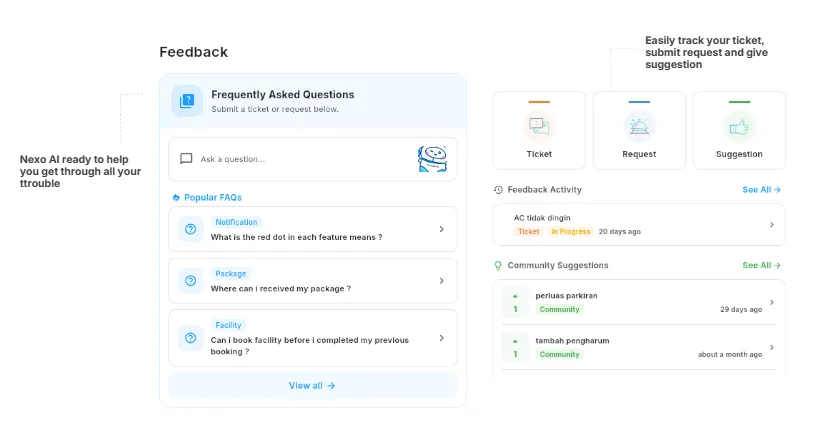
Fourth, rising tenant expectations. Today's building and apartment residents are used to fast, app-based service for everything—from ordering food to paying electricity bills. They expect the same when dealing with property management: filing complaints through an app instead of calling security, checking invoices anytime instead of waiting to be billed manually.
The combination of these four problems is what makes the old operational model increasingly difficult to sustain, especially as a property portfolio continues to grow.
Why 2026 Is a Turning Point for Property Digitalization in Indonesia

There's a solid reason why conversations around property digitalization feel far more urgent this year compared to previous years, and it isn't just coincidental timing.
Property analysts project the sector will enter a moderate recovery phase in 2026, driven by macroeconomic stability and deepening digitalization trends (Indopremier). Developers and managers who adapt quickly to digitalization are expected to become the dominant players in the market going forward, while AI-driven PropTech adoption is projected to become a new industry standard.
On the building operations side, research from Colliers Indonesia's Real Estate Management Services team highlights that PropTech adoption has become a key differentiator for real estate players (My Home Magz). Conventional operating models are increasingly struggling with limited data visibility caused by fragmented workflows and manual reporting processes—the exact same problems we covered in the section above.
Even on the energy efficiency side, implementing IoT sensors and data analytics in buildings has been reported to significantly cut costs and energy consumption, while also reducing equipment downtime through earlier detection of potential failures (Samudera Indonesia Insights). This shows that property digitalization isn't just about tidier administration—it has a direct impact on building operating costs.
In short: 2026 has become a turning point because three forces are converging at once—tighter operational cost pressure, rising tenant expectations, and Indonesian proptech that has matured enough to be adopted without the heavy upfront investment it once required.
Main Reasons Building Managers Are Switching to Property Management Software
Now let's get into the core of it: the concrete reasons why building managers—from small operators to large portfolios—are ultimately deciding to make the switch to a digital system.
1. Operational Efficiency That's Immediately Felt in Day-to-Day Work
The reason cited most often by building managers is the sheer amount of time saved. Tasks that used to take hours—payment reconciliation, compiling occupancy reports, checking which contracts are about to expire—can now be done in minutes because all the data lives in one interconnected system. Management teams can redirect the time they used to spend on administrative busywork toward more strategic priorities, like improving tenant satisfaction.
2. Centralized, Real-Time Data Visibility
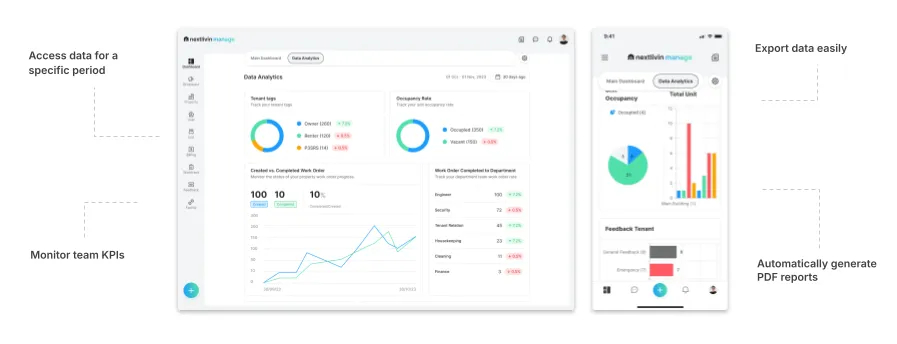
This is one of the benefits that's most often overlooked until managers actually experience it firsthand. With a good building management app, property owners no longer have to wait for a monthly report to know how their business is doing. Occupancy rates, rental income, payment status, and maintenance schedules can all be checked anytime from a dashboard—even from a phone while traveling. Decision-making becomes much faster because there's no need to wait for a manual data-gathering process across departments.
3. Automated Billing and Healthier Cash Flow
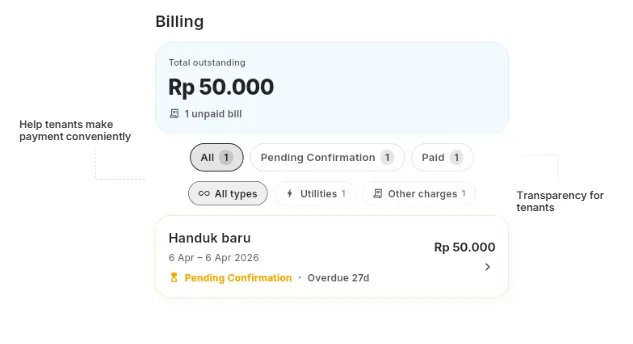
One of the benefits that shows up fastest on financial statements is invoice and payment reminder automation. The system can send invoices on time, remind tenants before due dates, and consistently apply late fees without manual intervention every month. The result: fewer late payments and less revenue leakage caused by human error.
4. Maintenance Becomes Preventive, Not Just Reactive
Modern property management software allows recurring maintenance—AC servicing, elevator inspections, electrical system checks—to be scheduled automatically before damage actually occurs. This preventive approach has been shown to reduce unexpected repair costs while extending equipment lifespan, compared to waiting for residents to report a breakdown.
5. A More Modern Tenant Experience
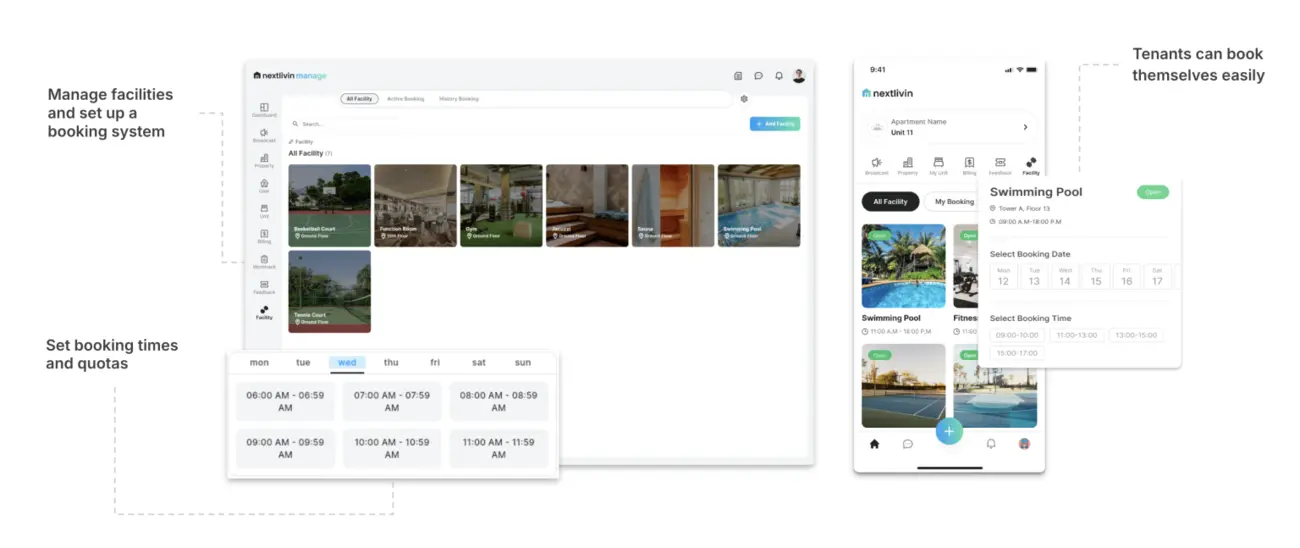
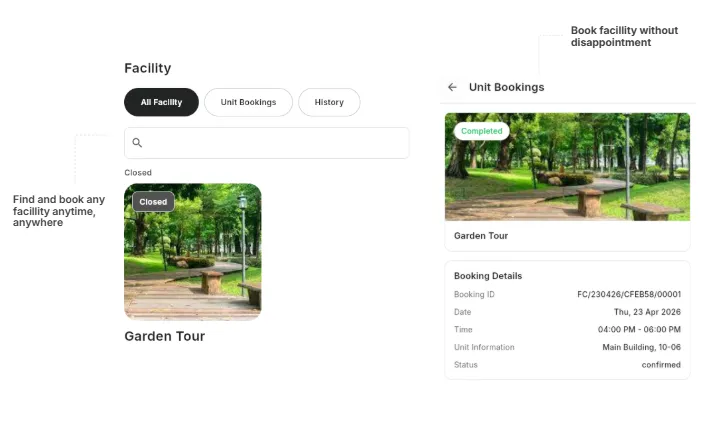
Today's tenants are used to handling things through an app, not phone calls or in-person visits to the management office. Property management software typically includes a dedicated tenant portal or app for filing complaints, checking invoices, renewing contracts, and paying rent online. A smooth experience like this directly impacts tenant retention—and happy, retained tenants are far more profitable than constantly having to find new ones.
6. Cleaner Compliance and Audit Trails
For commercial buildings or estates managed by professional teams, the ability to show a clean audit trail—who paid what, when, and for what—becomes especially valuable when dealing with investors, auditors, or during asset sale due diligence. A digital system automatically stores transaction history, far more reliably than a stack of Excel files that can easily be overwritten or lost.
7. Scalability for a Growing Portfolio
Managing one building with Excel might still be manageable. But once a portfolio grows to five, ten, or dozens of properties, the manual approach starts to collapse under its own weight. Property management software is built to handle that growing scale without requiring a proportional increase in administrative staff—which is exactly why fast-growing property management companies tend to make the digital switch earlier rather than later.
A Real-World Example: How This Shift Actually Happens
To make this more concrete, let's walk through a scenario that's common among mid-sized building managers in Indonesia—let's say a property management company overseeing three apartment towers with more than 600 units in total.
Before switching to a digital system, their team relied on three administrative staff just to handle manual billing and payment tracking. At the end of every month, the reconciliation process took several days because payment data was scattered across bank accounts, physical receipts, and Excel records that weren't always in sync. Late payments were often only discovered two or three weeks after the fact, since there was no automated reminder system in place.
After switching to an integrated building management app, billing now runs automatically every month, payment reminders are sent out on their own, and financial reports can be accessed in real time by management without waiting for a manual recap. The team that used to be buried in administrative work can now focus on higher-value tasks, like tenant relations and occupancy growth strategy.
This scenario isn't a special case—it's a pattern that repeats across many building managers who have already migrated to digital systems, regardless of the size of the portfolio they oversee.
And if there's still a management team out there proudly saying "we still do things manually, it feels more personal"—let's be honest, that's not personal, that's just not having gotten around to migrating the data yet. Excel isn't a strategy. It's a coping mechanism dressed up as tradition.
Indonesian Proptech: Local vs. International Vendors
When building managers in Indonesia start shopping for property management software, they're usually faced with two broad choices: go with an established international solution like AppFolio, Buildium, or Yardi, or choose a local Indonesian proptech player that understands the local context.
International solutions typically stand out for their feature maturity and global user base. Local solutions, however, have an advantage that's often underrated: alignment with the language and workflows of Indonesian users, easier integration with local tax and banking systems, and faster technical support because the support team operates in the same time zone and language (DOTERB). For mid-sized building managers who need a system that can adapt to specific workflows—like invoice formats that comply with local tax regulations—the customization flexibility offered by local vendors often becomes the deciding factor.
There's no universally correct answer here. What matters is matching your building's operational needs with the respective strengths of each type of vendor, rather than simply picking the most well-known name.
Must-Have Features in a Modern Property Management Software
To avoid picking the wrong system, here are the core features a building management app should ideally have in 2026:
- Digital tenant and contract management, including automated reminders for contracts nearing expiration.
- Automated billing and invoicing, complete with payment reminders and consistent late-fee tracking.
- Real-time financial reporting dashboard accessible to property owners anytime.
- Scheduled maintenance module, shifting maintenance from reactive to preventive.
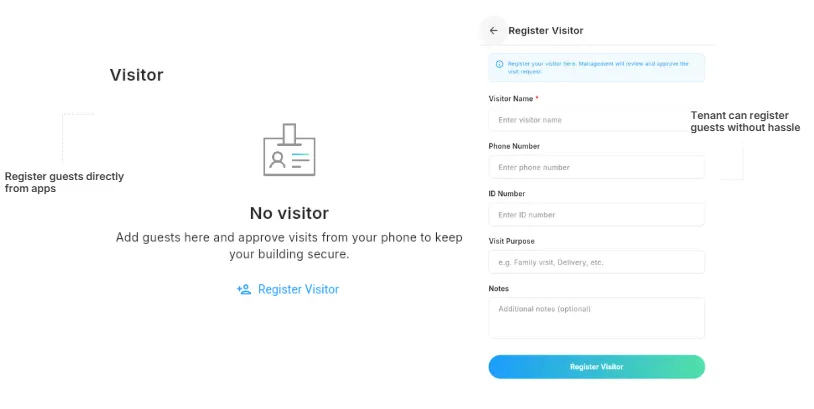
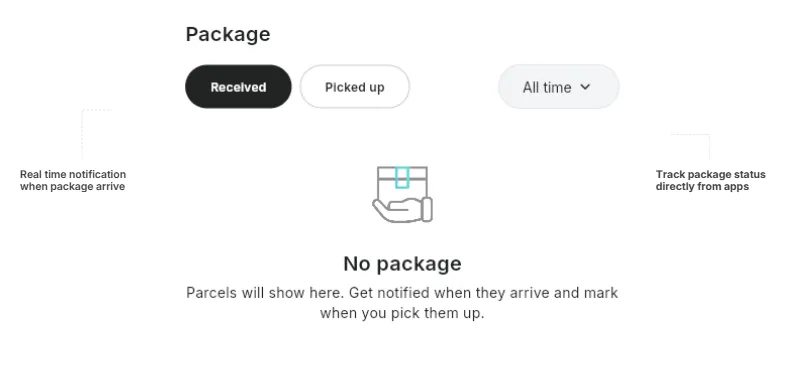
- Dedicated tenant portal or app, where residents can file complaints and check their own invoices.
- Centralized document management, so contracts, certificates, and legal documents are no longer scattered across countless folders.
- Integration capability, whether with digital payment systems, banking, or accounting software the company already uses.
- Role-based access control, so field staff, finance admins, and management each see the interface relevant to their role.
How to Choose the Right Property Management Software for Your Building
With so many options on the market, it's important to have a clear evaluation framework before making a decision. Here are a few things worth considering:
First, map out the biggest operational pain point that's been causing the most trouble—whether it's billing, maintenance, or tenant communication. Prioritize a system that solves that problem well, rather than one with the most features that aren't actually relevant to you.
Second, pay attention to ease of use for field staff, not just management. Even the most sophisticated system is useless if security personnel or technicians on the ground struggle to operate it day to day.
Third, check the system's ability to grow alongside your business—can it handle new units or properties without requiring a complete re-migration from scratch?
Fourth, ask for a demo using your actual operational data, not just the vendor's sample data. This will reveal whether the system genuinely fits your existing workflow.
Fifth, consider the quality of local technical support, especially response speed during your building's busiest operational hours.
Challenges to Anticipate When Switching to a Digital System
To keep this article grounded rather than overly idealistic, it's worth being honest about the challenges that commonly come up during the migration process.
Migrating data from an old system—especially from inconsistently formatted Excel files—requires extra time and care upfront. Resistance from staff who are used to manual workflows is also common, which is why training and hand-holding during the transition period become critical to successful adoption. On top of that, some users still have lingering concerns about digital data security, particularly around financial and personal tenant information, making vendor security standards an important consideration rather than just a nice-to-have feature.
These challenges are real, but they're generally manageable with a phased migration plan and by choosing a vendor that provides implementation support rather than simply selling a license and walking away.
Conclusion: Not Just a Trend, But a Matter of Survival and Competitiveness
The shift among building managers toward property management software in 2026 isn't just about following the property digitalization trend that's currently making headlines. It's a direct response to real pressure: operating costs that need to be controlled, tenant expectations that keep rising, and asset management complexity that becomes harder to handle manually as a portfolio grows.
For building managers still getting by on a mix of Excel and WhatsApp, the question is no longer "should we switch to a digital system," but "when should we start, and how much opportunity cost has already been lost by delaying." Amid an increasingly mature Indonesian proptech landscape, managers who adapt earlier are usually the ones who enjoy efficiency gains sooner—an advantage that's hard for competitors to catch up on while they're still busy cross-checking five Excel files at ten o'clock at night.
Suggested image: a property management app dashboard showing occupancy and payment graphs — alt text: "real-time building management app dashboard"
Frequently Asked Questions (FAQ)
What's the difference between property management software and a building management app? The two terms are often used interchangeably. Property management software generally covers the business and administrative side more broadly (tenants, contracts, finances), while a building management app tends to emphasize physical facility management like maintenance and security. Many modern systems now combine both into a single platform.
Is property management software suitable for small-scale building managers? Yes, especially since most vendors now offer tiered pricing plans based on the number of units managed. Even managers overseeing just one or two buildings can benefit from more efficient billing and reporting right from the start.
How long does migration to a digital system usually take? It depends on data volume and property complexity, but basic migration—including tenant and contract data entry—can typically be completed within a few weeks if done in phases with support from the vendor's implementation team.
Is financial and tenant data safe when stored in cloud-based software? As long as the vendor follows clear security standards like data encryption and role-based access control, cloud-based storage is generally far more secure than Excel files scattered across various laptops and personal staff emails.