by

Industry Insight
Water leakage is one of the most common operational issues affecting residential buildings, apartment complexes, office towers, and commercial properties. Although it may seem like a minor problem, an undetected leak can lead to significant water waste, property damage, increased maintenance costs, and reduced resident comfort.
Traditionally, water leaks are identified through routine inspections or resident reports. Unfortunately, these methods often detect problems only after substantial damage has already occurred.
With the rapid advancement of the Internet of Things (IoT), property managers now have access to smarter technologies capable of detecting water leaks quickly and accurately. IoT-enabled sensors continuously monitor water flow and environmental conditions, providing real-time alerts whenever abnormal activity is detected.
By identifying potential leaks at an early stage, Building Managers can respond faster, minimize damage, and improve overall operational efficiency.
What Is an IoT-Based Water Leak Detection System?
An IoT-based water leak detection system uses smart sensors installed at strategic locations throughout a building to monitor water flow, pressure, or moisture levels continuously.
These sensors transmit real-time data to a centralized monitoring platform. When unusual conditions suggest a possible leak, the system automatically generates alerts, allowing maintenance teams to investigate and resolve the issue before it escalates.
Benefits of IoT Water Leak Detection
Early Leak Detection
Potential leaks can be identified long before they develop into costly building damage.
Reduced Water Waste
Immediate detection helps minimize unnecessary water loss and supports more sustainable resource management.
Lower Maintenance Costs
Addressing leaks early significantly reduces repair expenses while preventing secondary damage to walls, ceilings, flooring, and building infrastructure.
Improved Building Safety
Water leaks can affect electrical systems, structural components, and interior finishes. Early intervention helps reduce these operational risks.
Support for Preventive Maintenance
Historical sensor data allows Building Managers to identify recurring issues, monitor system performance, and implement preventive maintenance strategies before failures occur.
By shifting from reactive maintenance to predictive monitoring, property management teams can improve operational reliability while reducing long-term maintenance costs.

Feature Highlight
Nextlivin Helps Manage Water Leak Incidents More Efficiently
While IoT technology provides early leak detection, an effective response still depends on efficient coordination among maintenance teams.
Nextlivin complements IoT solutions by providing an integrated Property Management System that streamlines every stage of the incident response process.
Worktrack
Once a leak notification is received, maintenance work orders can be created, assigned, prioritized, tracked, and completed through a structured digital workflow.
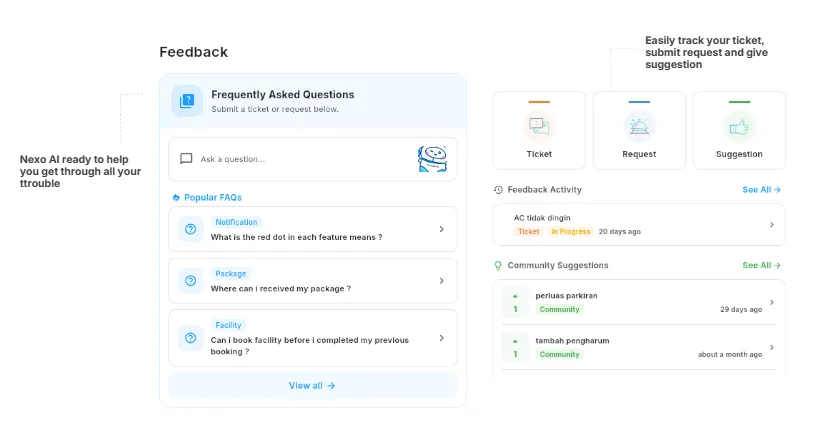
Feedback Management
If residents report water leakage through the resident application, every report is automatically documented, monitored, and managed until resolution.
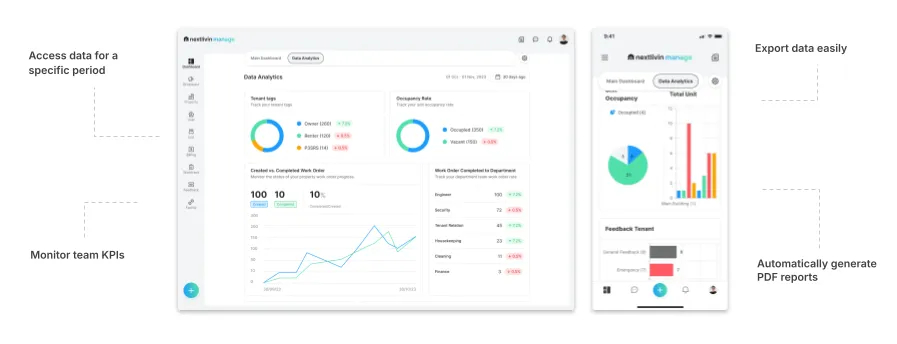
Operational Dashboard
Building Managers gain real-time visibility into maintenance activities, work progress, and team performance from one centralized dashboard.
Maintenance History
Every repair activity is securely recorded, making future inspections, analysis, and preventive planning more efficient.
Centralized Digital Documentation
Maintenance photos, technician reports, inspection notes, and completion records are stored in one integrated platform for easy access and long-term reference.
By combining IoT monitoring with Nextlivin's Property Management System, property managers can create a faster, more organized, and data-driven maintenance workflow.
News Update
The adoption of Internet of Things (IoT) technology continues to transform the global property management industry.
Smart sensors are increasingly being deployed to monitor water systems, energy consumption, indoor air quality, building security, HVAC performance, and other critical building operations.
As Smart Building initiatives become more widespread, property owners are shifting from reactive maintenance toward predictive maintenance strategies powered by real-time data and intelligent monitoring systems.
The integration of IoT technology with cloud-based Property Management Systems is expected to become a standard practice for modern buildings seeking greater operational efficiency, improved sustainability, and enhanced resident satisfaction.

Conclusion
Undetected water leaks can result in significant operational costs, property damage, and unnecessary resource waste.
IoT-based water leak detection enables Building Managers to identify potential problems at an early stage, allowing maintenance teams to respond quickly before minor issues become major repairs.
However, early detection alone is not enough. Efficient incident management requires a centralized system capable of coordinating maintenance activities, documenting repair history, and monitoring work progress.
Nextlivin supports Building Managers through integrated features including Worktrack, Feedback Management, Operational Dashboards, and centralized digital documentation, ensuring every maintenance task is handled efficiently and transparently.
Because modern property management is not only about detecting problems—it is about resolving them faster, smarter, and with greater operational confidence.

This Article is provided by Nextlivin, for more information about how Nextlivin can help manage your property efficiently, please kindly visit our site.