by

The last five years changed how people work — and directly reshaped the future of office buildings. Hybrid work, where employees split time between home and office, is now standard at many multinational and local companies in Indonesia. For building managers, this is not market news you can watch from a distance; it changes how buildings are used, leased, and judged by tenants.
Global and regional property research reports — such as those published regularly by Colliers Indonesia — consistently show one pattern: demand is not disappearing, it is shifting. Tenants no longer look for "as much space as possible," but for "the space that delivers the most value on office days."
How Hybrid Work Changes Tenant Behavior
Look at it from the tenant's side. When employees only come to the office three days a week, a company's decisions change fundamentally:
- Size is no longer the only factor. Smaller space with higher quality now beats large, uninspiring space.
- Office days have a social purpose. Tenants need collaboration areas, decent meeting rooms, and environments that make employees feel "going to the office is worth it."
- Contract flexibility matters more. Companies hesitate to commit long-term to space they may not need in two years.
The Direct Impact on Building Managers
Shifting tenant behavior has concrete consequences for your building's operations:
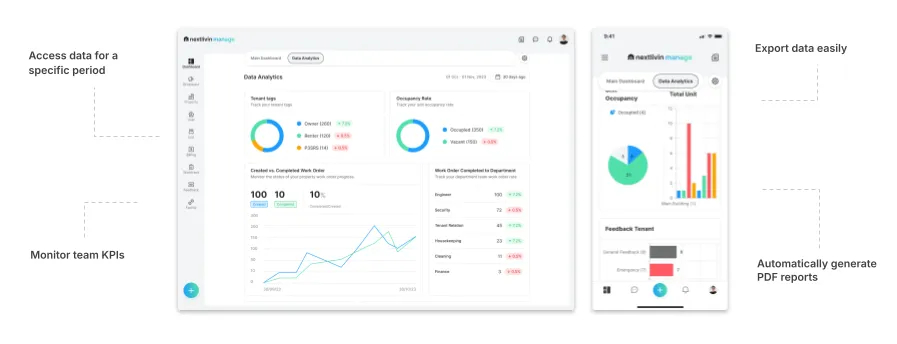
Utilities are no longer flat. Buildings that used to be steadily busy five days a week now have fluctuating load patterns — Mondays and Fridays can feel like different buildings. This challenges how your team schedules electricity, AC, and cleaning.
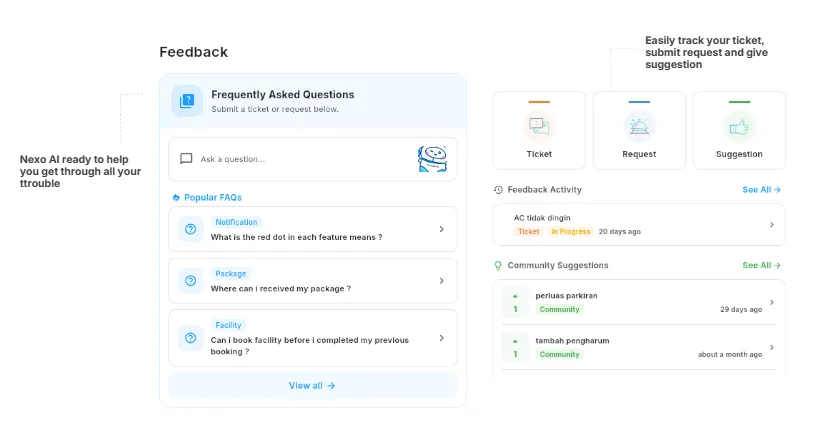
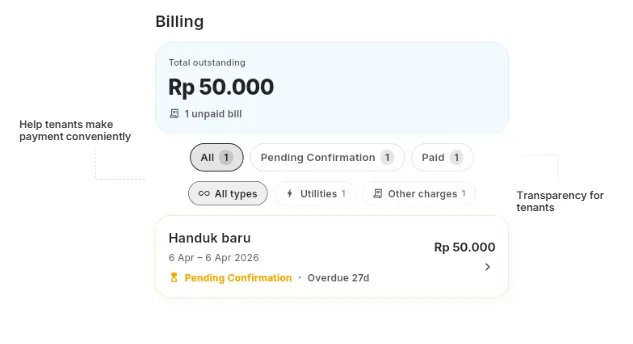
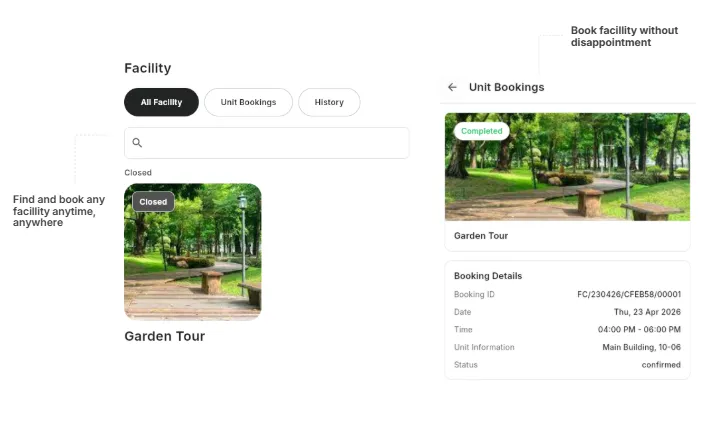
Facilities compete with location. When tenants can work from anywhere, buildings compete not just on address, but on experience: how easy it is to book a meeting room, how fast reports are handled, how transparent utility billing is.
Tenant retention gets harder. With more flexible contracts, dissatisfied tenants can move faster. Day-to-day tenant experience — not just the building facade — becomes the deciding factor.
What Building Managers Can Do
To face this shift, here are realistiow easy it is to book a meeting room, how fast reports are handled, how transparent utility billing is.
Tenant retention gets harder. With more flexible contracts, dissatisfied tenants can move faster. Day-to-day tenant experience — not just the building facade — becomes the deciding factor.
What Building Managers Can Do
To face this shift, here are realistic steps — no major renovation required:
- Run your building on data, not gut feel. Fluctuating occupancy can only be managed with accurate data. Start with a simple operations audit to see your building's actual condition.
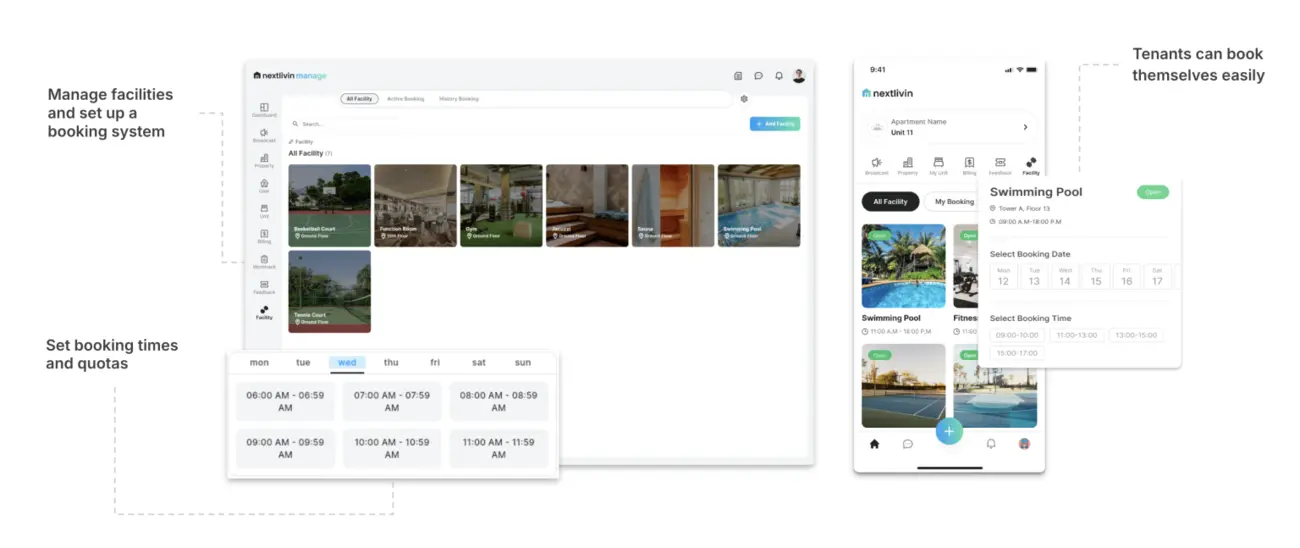
- Raise service quality, not just facilities. Meeting rooms bookable via app, fast response to reports, transparent billing — this is what keeps tenants.
- Rework operational schedules. New occupancy patterns mean cleaning schedules, AC settings, and staff placement must adapt to busy vs. quiet days.
- Communicate your building's value measurably. As tenants evaluate whether "going to the office is worth it," building managers must show their contribution: security, cleanliness, responsiveness, and clear costs.
Opportunity Within the Challenge
Every shift opens a gap. Well-managed buildings can actually thrive in the hybrid era: tenants may downsize, but they are more willing to pay for buildings that are demonstrably managed professionally. Management quality — once a minor differentiator — is now one of the main reasons tenants stay.
The future of office buildings is not bleak; it is being filtered. Buildings that adapt to how people work today will remain needed. The rest will keep losing tenants one by one — without ever knowing exactly why.