by

Industry Insight
The exchange rate of the Indonesian rupiah is one of the key economic indicators that significantly influences the property industry in Indonesia.
In recent months, the weakening of the rupiah against the US dollar has become a major concern for developers, investors, and property management companies. This situation occurs when more rupiah are required to purchase one US dollar.
Although most property transactions in Indonesia are conducted in rupiah, many components used in construction still rely on imported products, including elevator systems, security equipment, smart building technologies, HVAC systems, specialized construction materials, and various mechanical and electrical components.
As a result, fluctuations in exchange rates can directly affect construction costs and business strategies across the property sector.
Content
The weakening of the rupiah against the US dollar creates several challenges for Indonesia’s property industry.
One of the most immediate impacts is the increase in construction costs. As the value of the dollar rises, imported materials and equipment become more expensive. This forces developers to adjust project budgets for both ongoing developments and future projects.
In addition to construction costs, a weaker rupiah can also influence investment decisions. Investors tend to become more cautious during periods of economic uncertainty and currency volatility.
However, the impact is not entirely negative.
In some cases, property is viewed as a hedge against inflation and currency depreciation. Many investors continue to choose real estate because it is considered a long-term asset that generally offers greater stability than holding cash.
At the same time, a weaker rupiah encourages developers to improve operational efficiency. The adoption of digital technologies, integrated building management systems, and smart building concepts is becoming increasingly important for controlling costs and maintaining profitability.
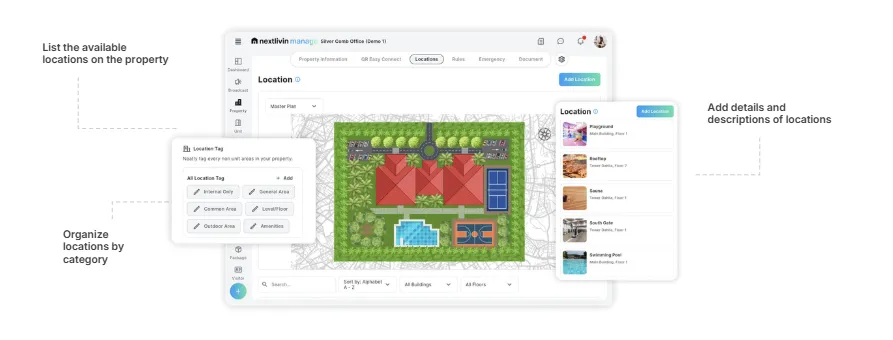
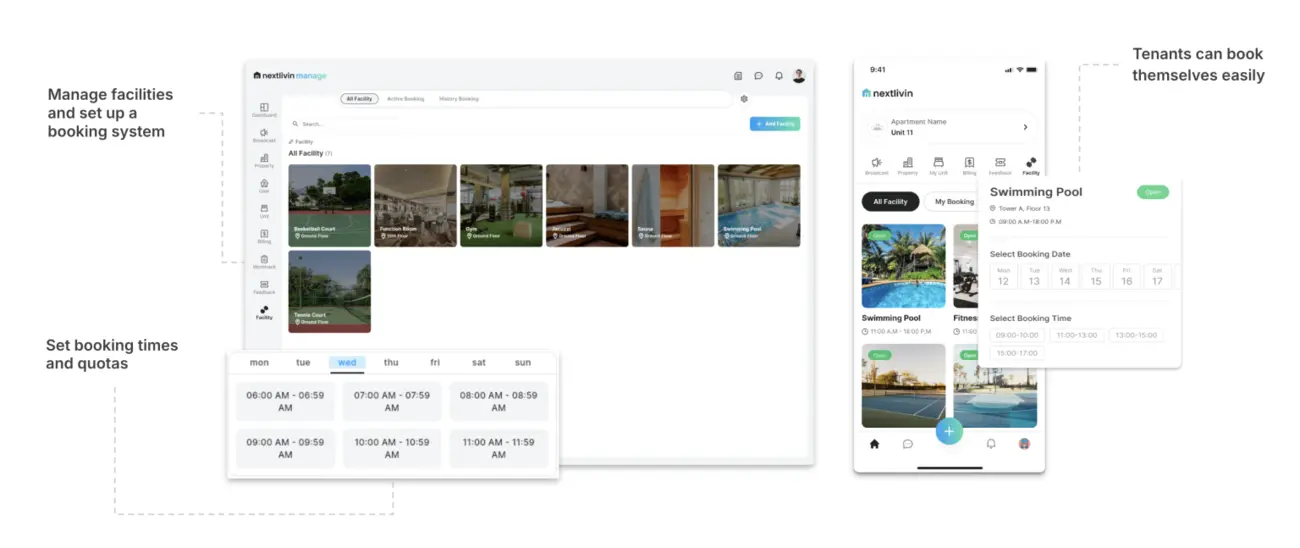
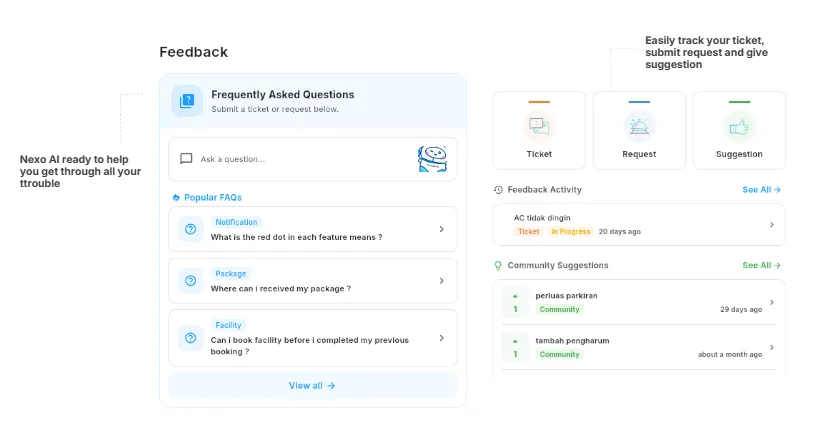
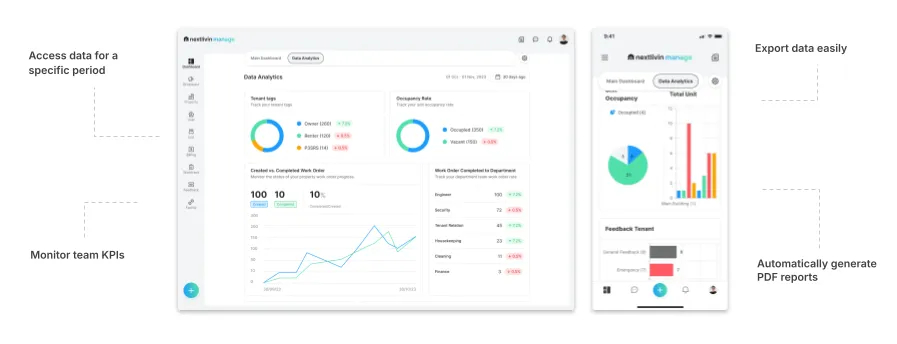
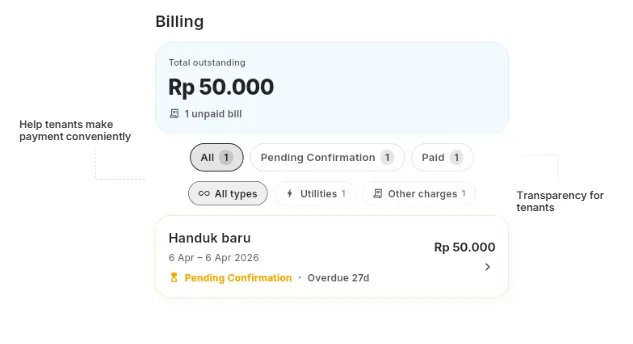
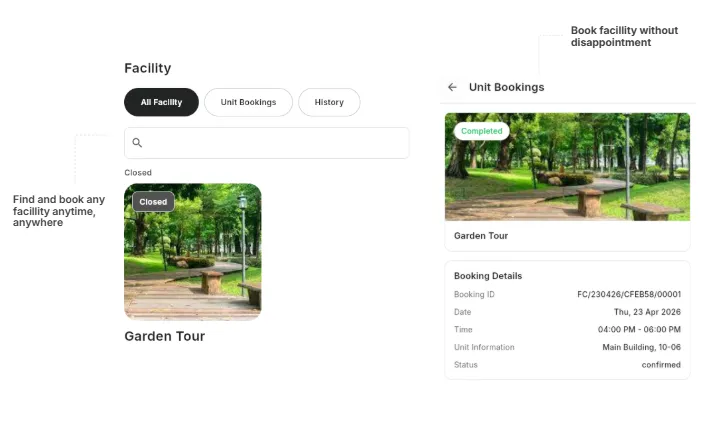
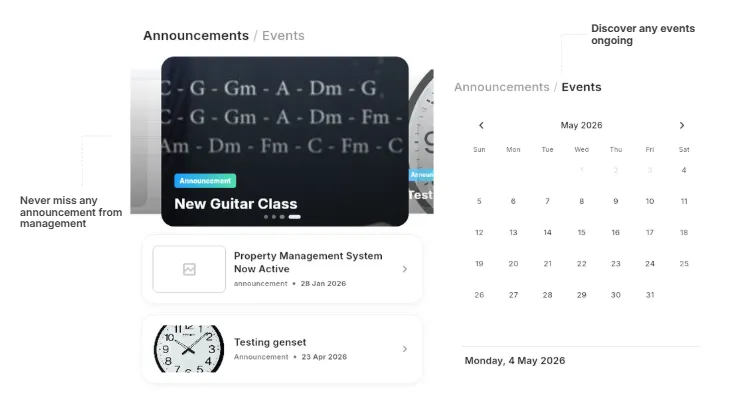
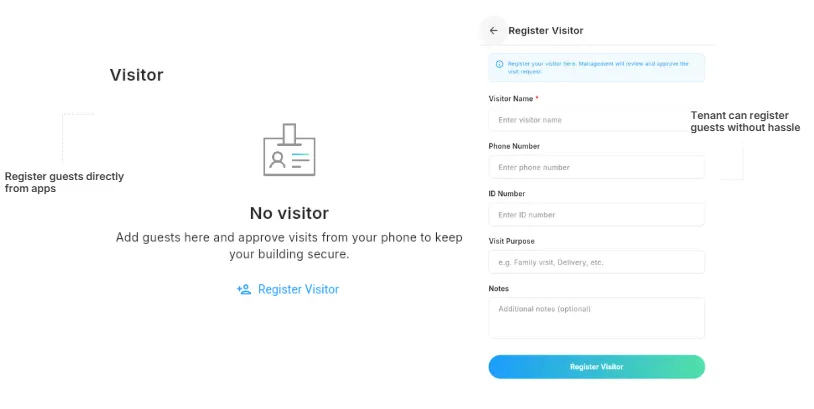
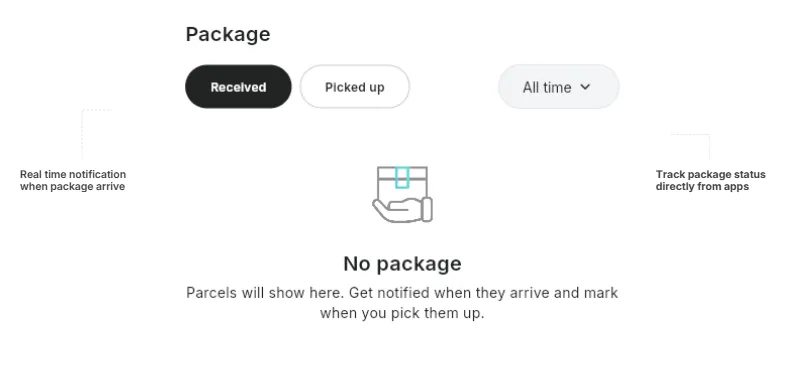
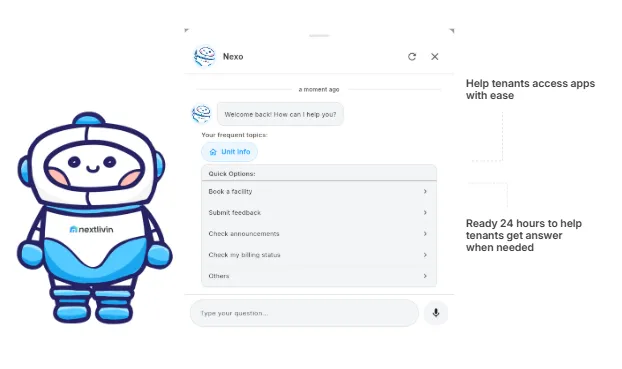
Digital platforms such as Nextlivin help property managers and building operators improve efficiency through digital billing systems, tenant management, resident communication, and real-time operational monitoring.
In a dynamic economic environment, operational efficiency has become one of the most important factors in maintaining profitability while continuing to deliver high-quality services.

Feature Highlight
1. More Challenging Construction Costs
Imported materials and equipment become more expensive as the dollar strengthens.
2. More Selective Investment Decisions
Investors tend to evaluate economic conditions more carefully before committing capital.
3. Property Remains a Long-Term Asset
Many investors continue to view real estate as a relatively stable investment vehicle.
4. Efficiency Becomes a Priority
Developers and property managers focus more on controlling operational expenses.
5. Digital Transformation as a Solution
Technology helps improve efficiency, productivity, and cost management across property operations.
News Update
Despite global economic uncertainties, Indonesia’s property sector continues to demonstrate resilience. Demand for residential properties remains relatively stable, particularly within the middle-income segment and in areas supported by growing infrastructure development.
In addition, property digitalization continues to gain momentum. Developers and building management companies are increasingly investing in technologies that improve operational efficiency while enhancing the resident experience.
Smart building, smart living, and property technology (PropTech) solutions are expected to continue growing as the market adapts to changing economic conditions and evolving consumer expectations.

Conclusion
The weakening of the rupiah against the US dollar presents challenges for Indonesia’s property industry, particularly in terms of construction costs and investment confidence.
However, it also encourages industry players to become more efficient, innovative, and adaptable in response to economic changes.
Property remains one of Indonesia’s most promising long-term sectors, especially when supported by digital transformation and modern operational management practices.
Looking ahead, property companies that successfully combine operational efficiency, technology adoption, and high-quality services will be better positioned to thrive despite the challenges of an evolving global economy.

This Article is provided by Nextlivin, for more information about how Nextlivin can help manage your property efficiently, please kindly visit our site.