by

Industry Insight
The role of a Building Manager today is far more complex than it was a decade ago. While building operations were once primarily focused on maintaining facilities and ensuring daily activities ran smoothly, modern Building Managers are now expected to possess expertise across multiple disciplines, including building operations, financial management, resident services, risk management, compliance, and digital technology.
As residents' expectations for comfort, safety, and service quality continue to rise, Building Managers have become one of the most strategic positions within any residential property. The success of a residential building is no longer determined solely by its facilities but also by how effectively it is managed.
To meet these growing expectations, Building Managers must continuously expand their knowledge and stay up to date with the latest developments in the property management industry.
Essential Areas of Knowledge for Building Managers
1. Building Operations Management
A Building Manager must understand how all critical building systems function, including:
- Electrical systems
- Water supply systems
- Wastewater treatment systems
- Elevators and escalators
- Air conditioning systems
- Backup generators
- Water pumps
- Fire protection systems
This knowledge enables managers to make informed decisions during emergencies and effectively plan preventive maintenance programs.
2. Asset and Maintenance Management
One of the primary responsibilities of a Building Manager is preserving the long-term value of the property.
Key areas of expertise include:
- Preventive Maintenance
- Corrective Maintenance
- Asset Lifecycle Management
- Asset Registers
- Vendor Management
A strong maintenance strategy helps maximize equipment lifespan while minimizing operational disruptions and unexpected repair costs.
3. Property Financial Management
Residential buildings involve various operational expenses that require careful financial oversight.
Building Managers should understand:
- Budget planning
- Maintenance fee management
- Service charges
- Utility cost management
- Cash flow monitoring
- Financial reporting
The ability to analyze financial performance is essential for maintaining sustainable and efficient building operations.
4. Legal Compliance and Regulations
Every residential property must comply with applicable laws, regulations, and industry standards.
Building Managers should be familiar with:
- Building regulations
- Occupational Health and Safety standards
- Operational permits and certifications
- Fire safety compliance
- Environmental regulations
- Resident association and governance policies
Proper compliance reduces legal risks and strengthens professional property management practices.
5. Risk and Security Management
Unexpected situations such as fires, floods, power outages, and security incidents can occur at any time.
Building Managers should understand:
- Emergency Response Planning
- Fire Safety Management
- Business Continuity Planning
- Risk Assessment
- Security Management
Preparedness and rapid response capabilities are critical indicators of effective building management.
6. Resident Relations and Customer Service
Residents are the primary stakeholders in any residential building.
Building Managers must be skilled in:
- Handling resident complaints
- Building effective communication
- Conflict resolution
- Enhancing resident satisfaction
- Improving resident retention
Excellent service contributes significantly to resident comfort, loyalty, and the overall reputation of the property.
7. Property Technology and Digital Transformation
The property industry is rapidly evolving toward Smart Building and Smart Living concepts.
Modern Building Managers should understand technologies such as:
- Property Management Systems
- Digital Billing Solutions
- Facility Booking Platforms
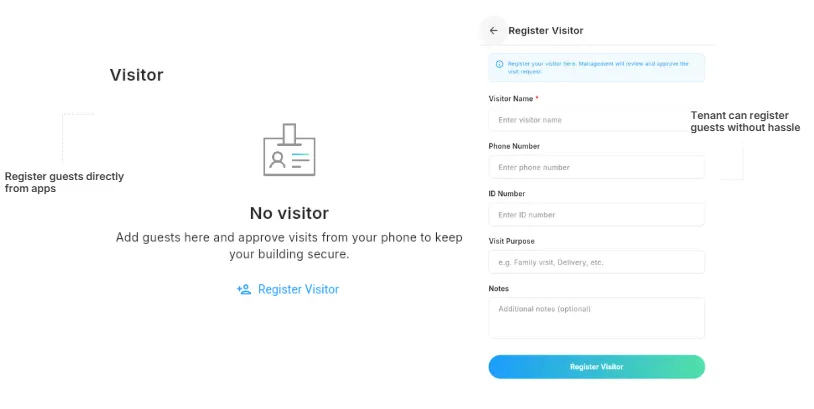
- Visitor Management Systems
- Work Order Management Tools
- Operational Dashboards and Analytics
Technology enables more efficient operations while enhancing the resident experience.

Feature Highlight
How Nextlivin Helps Building Managers Operate More Efficiently
Managing a residential building requires coordinating multiple teams, processes, and data sources. Nextlivin is an integrated Property Management System designed to help Building Managers streamline these activities through a single digital platform.
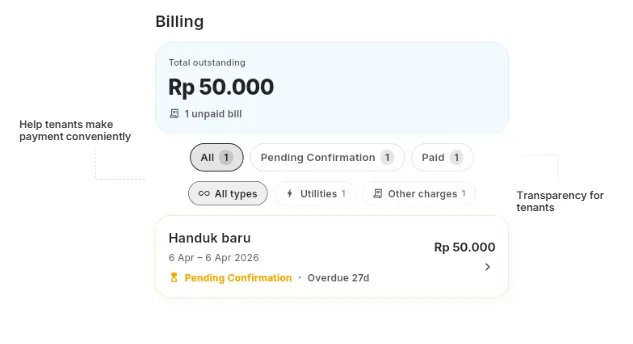
Billing Management
Simplify billing processes and monitor resident payments in real time.
Worktrack
Track operational tasks from assignment to completion while improving team accountability and productivity.
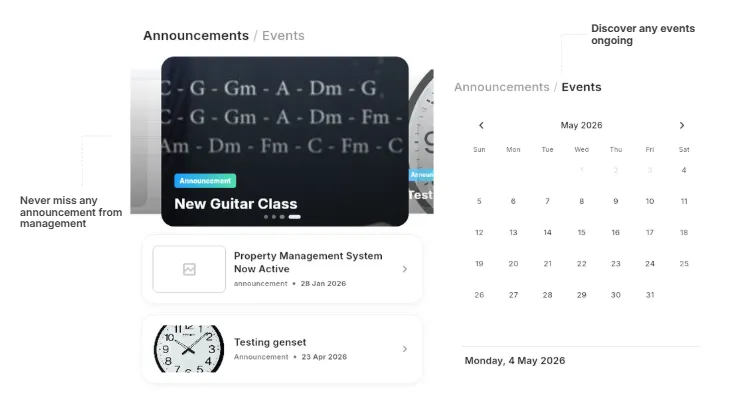
Broadcast Management
Deliver important announcements and updates to residents quickly and effectively.
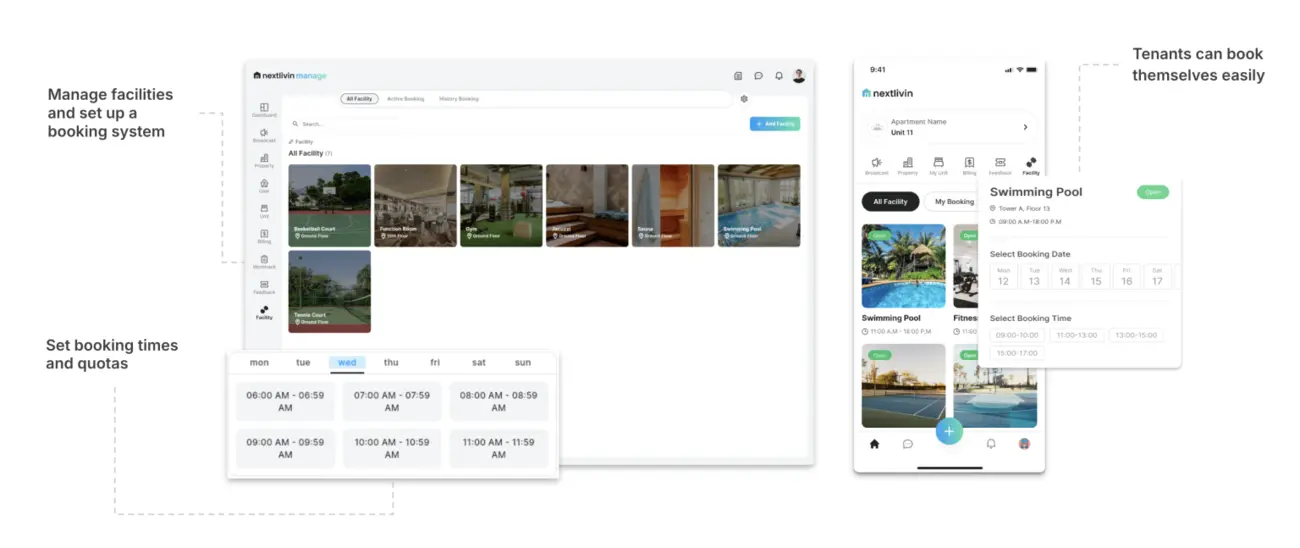
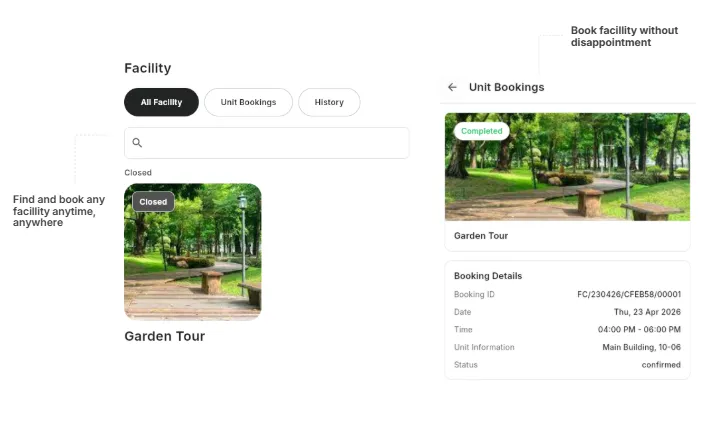
Facility Booking
Manage shared facility reservations transparently and prevent scheduling conflicts.
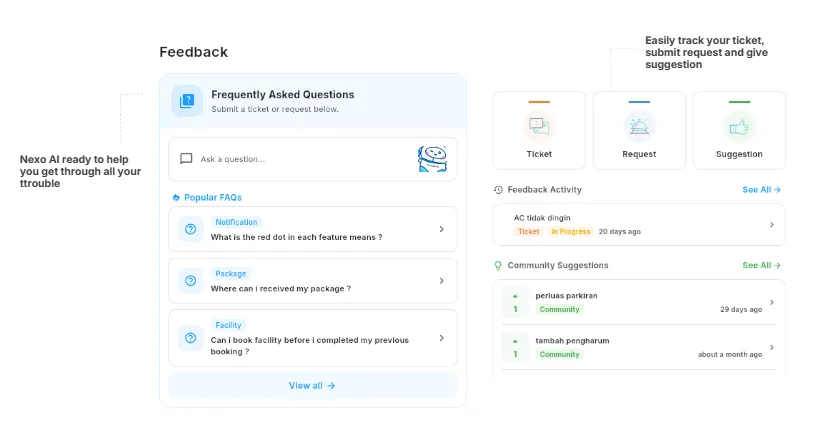
Feedback Management
Allow residents to submit feedback and complaints while enabling management teams to monitor resolution progress efficiently.
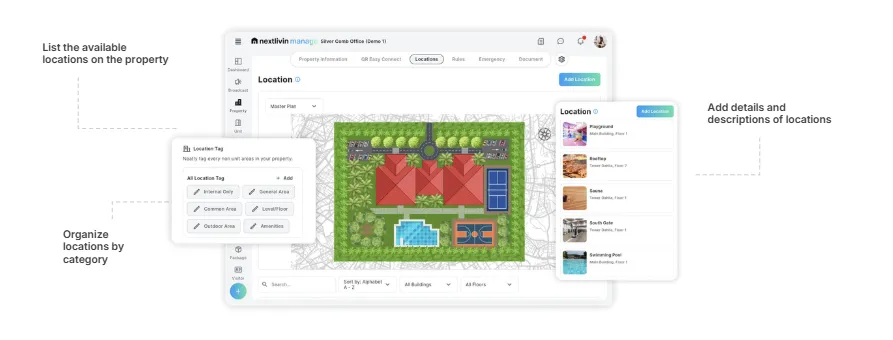
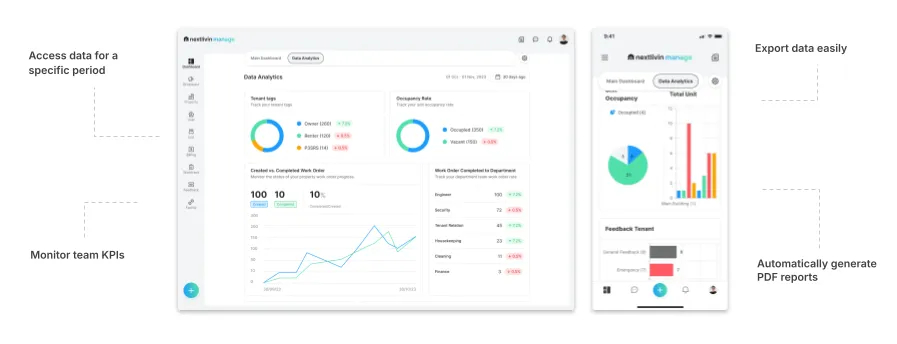
Property Dashboard
Provide real-time operational insights that support data-driven decision-making.
By integrating these functions into one platform, Building Managers can focus more on strategic management rather than repetitive administrative tasks.
News Update
Global property management trends indicate that the role of Building Managers is evolving from operational supervisors to strategic leaders responsible for resident experience, asset performance, and business sustainability.
Property developers and management companies are increasingly investing in digital technologies to improve operational efficiency, enhance transparency, and elevate service quality. Property Management Systems, Internet of Things (IoT) technologies, and data analytics are becoming standard tools in modern property operations.
In Indonesia and many other emerging markets, digital transformation in property management continues to accelerate as building owners seek more efficient and resident-centric management approaches.

Conclusion
Being a Building Manager today involves much more than overseeing a building's daily operations. It requires managing people, assets, finances, risks, compliance, and technology simultaneously.
A solid understanding of building operations, maintenance management, financial planning, legal compliance, security, resident services, and digital transformation forms the foundation of successful property management.
With technology solutions like Nextlivin, Building Managers can improve operational efficiency, enhance team productivity, maintain high service standards, and create safe, comfortable, and valuable living environments for residents.
As the property industry continues to evolve, the most successful Building Managers will be those who combine strong operational expertise with innovative technology-driven management practices.

This Article is provided by Nextlivin, for more information about how Nextlivin can help manage your property efficiently, please kindly visit our site.