by

🏢 Industry Insight
As technology continues to evolve, building management is no longer solely dependent on manual methods such as handwritten records, basic spreadsheets, or paper-based announcements. Many property companies are now shifting toward digital systems to improve operational efficiency and enhance services for tenants.
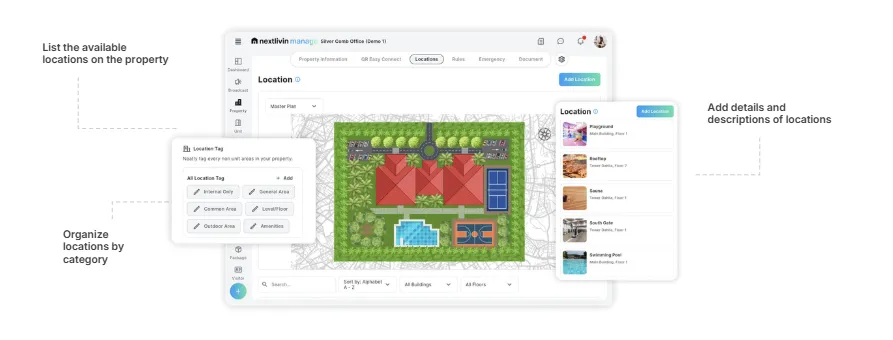
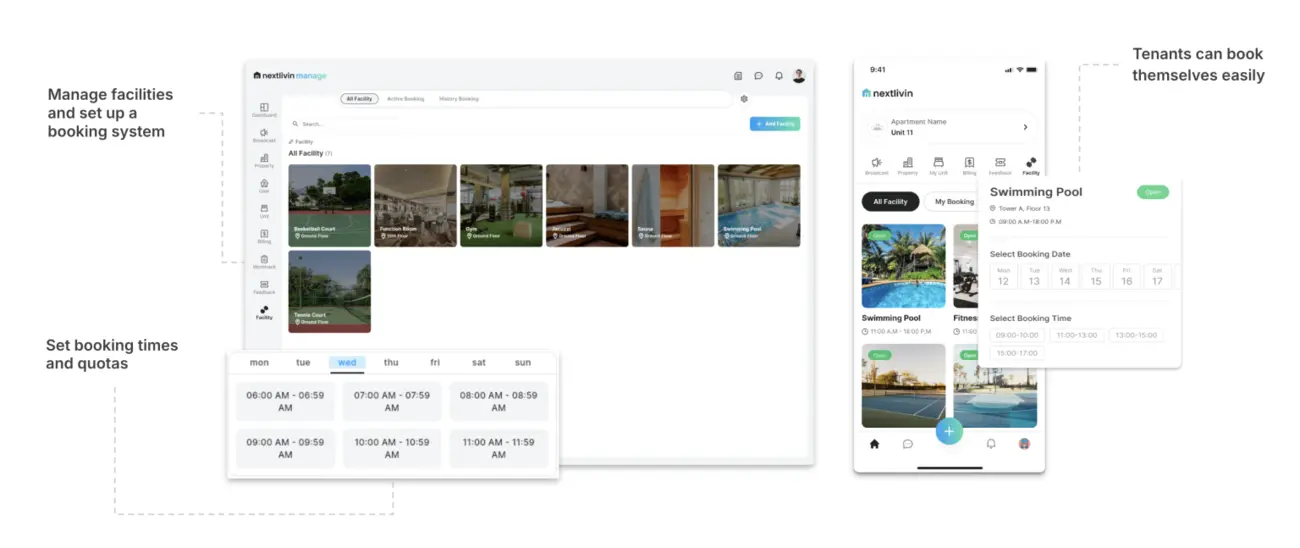
Digitalization in property management has become part of the growing proptech (property technology) trend worldwide. Platforms such as Nextlivin help building managers manage building operations in a more integrated way, from tenant communication to facility management and administrative tasks.
The difference between manual and digital systems is not only about the tools used, but also about work speed, data transparency, and overall ease of management.
📘 Main Content
1. Data Management
In manual systems, data is usually stored in physical documents or scattered spreadsheet files. This often makes it difficult to find specific information and increases the risk of recording errors.
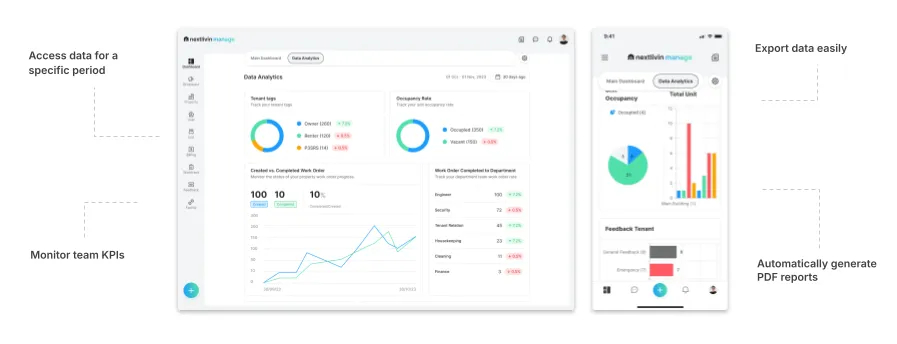
In contrast, digital systems store all data within one integrated platform. Building managers can quickly access tenant information, payments, facilities, and operational reports through a centralized dashboard.
2. Operational Efficiency
Manual systems often require more time because many processes must be done step by step, such as recording reports, verifying data, or delivering information to tenants.
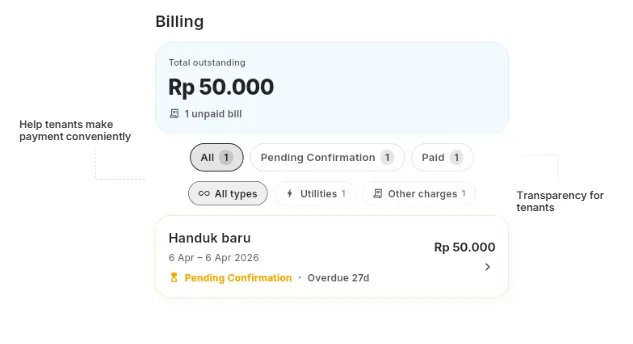
With digital systems, many processes can be automated. For example, sending notifications to tenants, recording transactions, and generating operational reports can be completed in just a few clicks.
3. Communication with Tenants
In manual systems, communication is often carried out through bulletin boards, individual messages, or printed notices posted around the building.
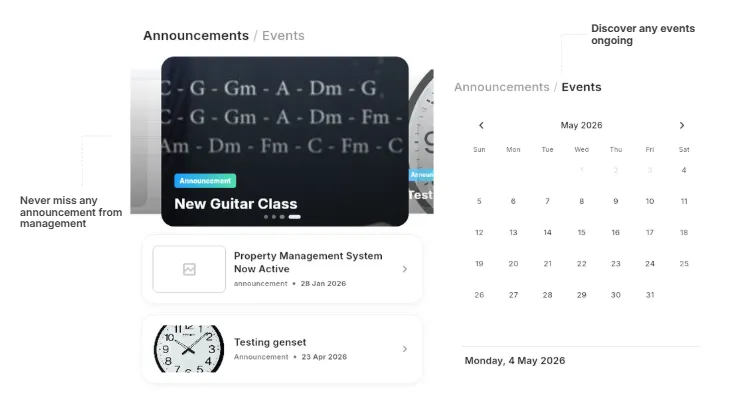
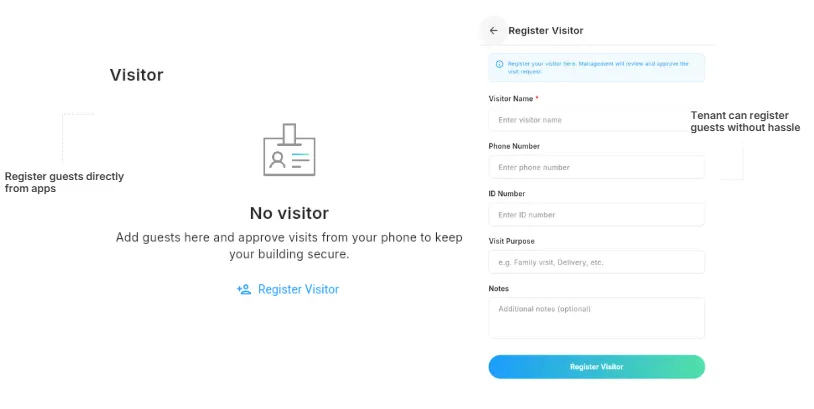
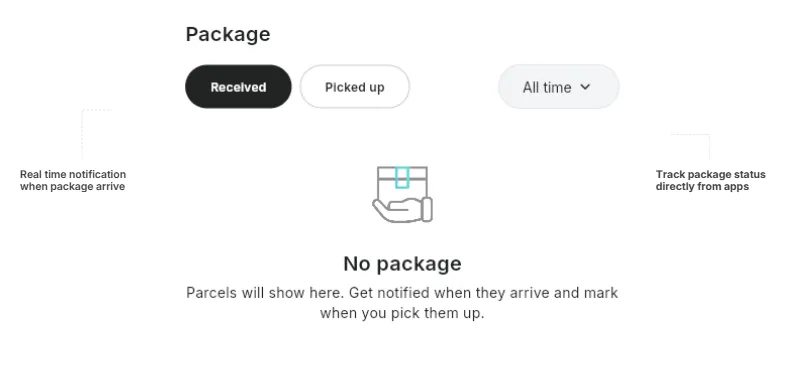
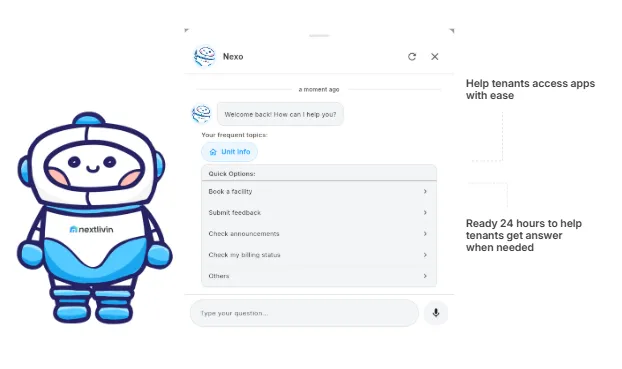
Digital systems allow faster communication through applications or online platforms. Tenants can receive information in real time without needing to visit the management office.
4. Monitoring and Building Supervision
Monitoring building operations manually can make it difficult for building managers to oversee all activities efficiently.
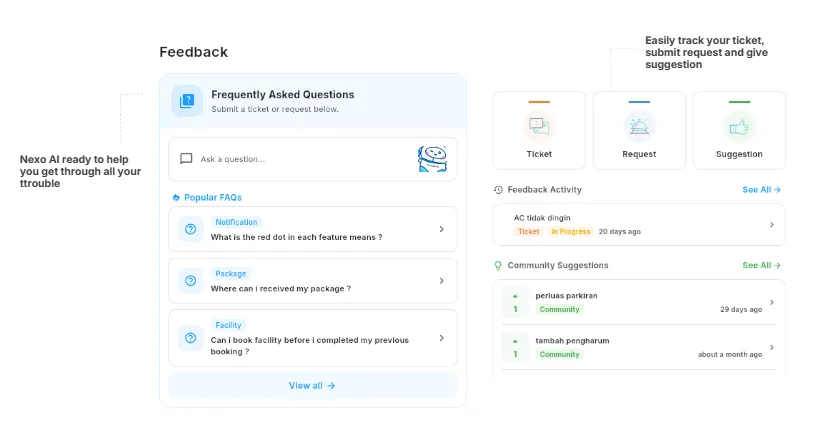
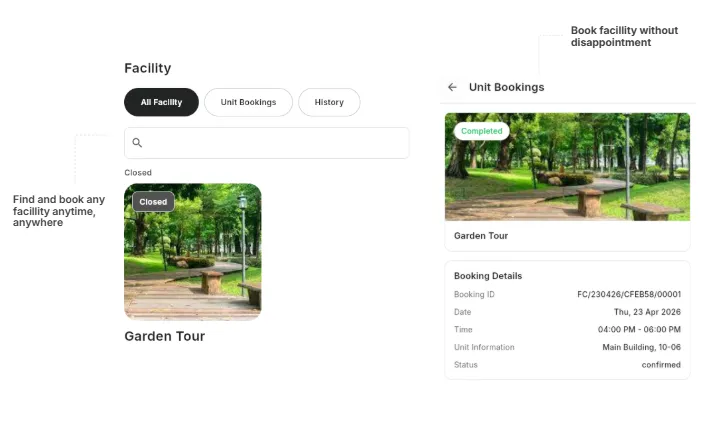
With digital systems, activities such as service requests, maintenance reports, or facility usage can be monitored through a single dashboard. This makes decision-making easier and improves the quality of building management.

🚀 Feature Highlight
Some advantages of using a digital building management system include:
✔ Centralized and easily accessible data
✔ Faster and more efficient operational processes
✔ More practical communication with tenants
✔ Better monitoring and organization of building operations
✔ Reduced risk of manual recording errors
These features help building managers work more productively and professionally.
📰 News Update
In recent years, many property companies have started investing in digital technology to improve building management efficiency. This digital transformation is occurring not only in commercial buildings but also in apartments and residential complexes.
The use of digital property management platforms is becoming a key solution for property operators to handle increasingly complex operational challenges while also improving the living experience for residents.

✅ Conclusion
The difference between manual and digital building management systems is significant. Manual systems tend to be slower, less integrated, and more prone to recording errors.
Meanwhile, digital systems offer greater efficiency, transparency, and convenience in managing building operations. By utilizing modern technology, building managers can operate buildings more effectively while delivering better services to tenants.
Transitioning to digital systems is no longer just an option—it is an important step toward the future of the modern property management industry.

This Article is provided by Nextlivin, for more information about how Nextlivin can help manage your property efficiently, please kindly visit our site.