by

A building maintenance backlog contains known work that has not yet been completed. It may include deferred preventive tasks, inspection findings and non-emergency repairs. When every item is called important, technicians lack a clear next step and managers struggle to explain delays to owners.
A longer task list will not solve the problem. Review risk, service impact, work age and the readiness of people and materials. Begin with a clean view of relevant open work so duplicate records do not distort the weekly plan.
Clean up the building maintenance backlog
Bring together references from inspections, resident complaints and maintenance schedules. Compare locations and assets before treating two records as separate jobs. Identify work completed on site but not updated, duplicate requests and findings that still need verification.
For each item, record the location, related asset, problem summary, discovery date, impact, owner, status and dependencies. Where useful, add an estimated effort based on the team’s assessment. Ticket count alone does not describe workload: one component replacement may take longer than several minor tasks combined.
Assess risk before relying on age
Separate issues requiring immediate protective action under the building’s procedures. For remaining work, consider service impact, the possibility of deterioration and the areas affected. Qualified personnel must make technical assessments; a priority matrix cannot replace a safety inspection.
Work age reveals tasks repeatedly pushed aside, but it is not the only priority factor. An old cosmetic defect does not automatically outrank a new service disruption. Record the reason for a priority so the next review can evaluate the decision.
Separate ready work from blocked work
Use statuses that explain dependencies: waiting for material, approval, vendor availability or access. Give each dependency an owner and a follow-up date. Do not present a blocked task as an unconditional technician commitment for this week.
An illustrative weekly planning meeting
The team has a failed decorative light, a pump requiring assessment and a door repair awaiting a part. The supervisor requests a qualified assessment of the pump, follows up the spare part and groups lighting work around available capacity. This illustrates planning decisions; it is not a repair instruction or a customer case study.
Match active work to available capacity
Agree which tasks can realistically proceed given staff availability, location access and expected duration. Leave room for unexpected disruptions based on the building’s experience. When urgent work arrives, identify the commitment that changes and the people who need an update.
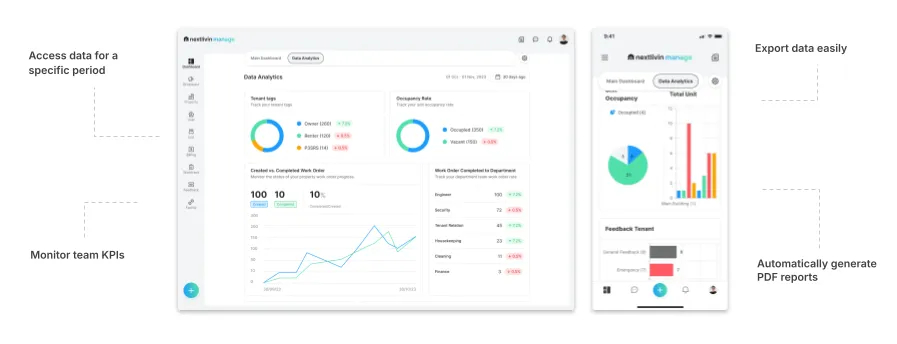
Explore these needs through Nextlivin Worktrack. Ask to see task creation, ownership, status updates and progress monitoring. Confirm how the available views and reports can distinguish ready work from tasks awaiting a dependency.
For the broader business impact, revisit property operational debt and delayed tasks. The backlog review turns that awareness into decisions about specific work and resources.
Review the queue as well as completions
Check jobs without an owner, work age by priority, delay reasons and the difference between the weekly plan and actual delivery. High completion volume can hide important tasks that keep getting older. Use consistent definitions when comparing reporting periods.
Should the backlog always be zero?
No. Some work is deliberately planned for a later date. The concern is unassessed risk, forgotten work and postponement without a decision. Start with 20 open items and assign a clear next action to each one before expanding the process.
Test the workflow with Nextlivin
Bring one operational example without residents’ personal data. Book a demo or meeting on Nextlivin WhatsApp at +62 818-958-899 to discuss maintenance backlog prioritization. To try the workflow with your team, explore the Nextlivin free trial and confirm trial scope and terms with the team.