by

When an alarm sounds, residents should not have to guess which exit is safe, whom to contact, or whether a message is genuine. A practical building emergency response plan turns uncertainty into coordinated action: people know their roles, information follows a clear route, and the management team can check that the response is being carried out in an orderly way.
The plan is more than a floor map with arrows. It is an operating agreement among building management, security officers, technicians, tenants, residents, and outside responders who may need to be contacted. For fire hazards, use the building’s approved fire-protection design and applicable requirements as the reference. In Indonesia, see the official records for PUPR Regulation 26/PRT/M/2008 on technical fire-protection requirements and PUPR Regulation 20/PRT/M/2009 on fire-protection management. Apply relevant rules to the actual building and current local requirements.
Assign roles before writing the procedure
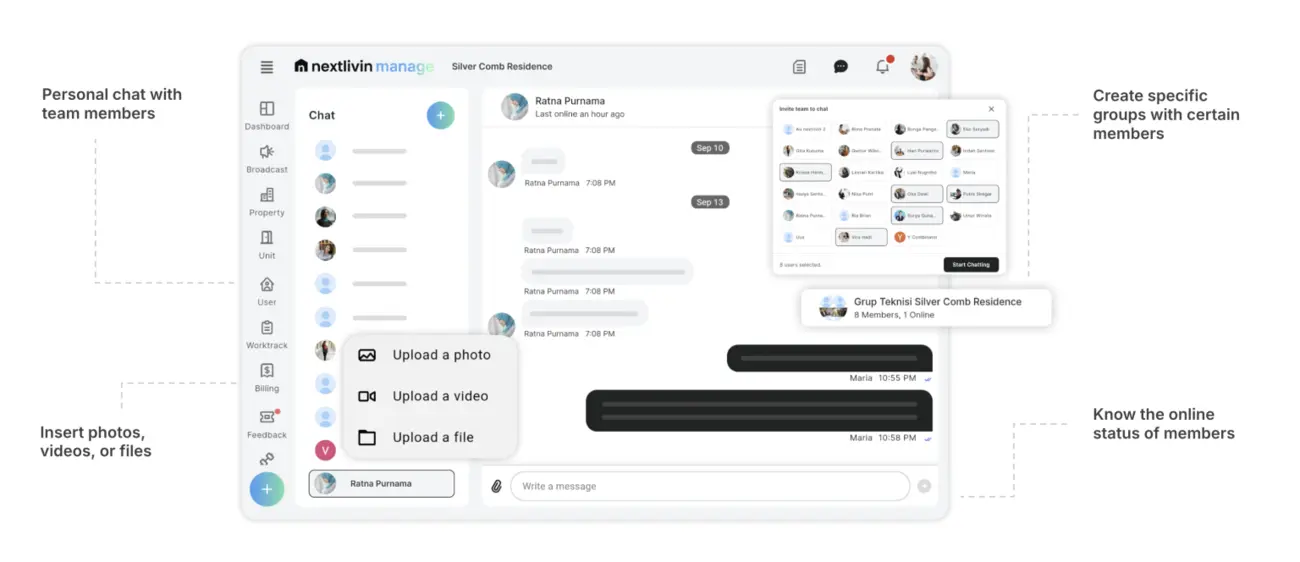
Decide who leads the response before setting out the sequence of actions. In buildings with multiple shifts, name a primary coordinator and a deputy rather than relying on one person. Assign who activates the alarm or notification procedure, who guides movement along the designated routes, and who coordinates with emergency services.
Set clear boundaries for each role. Floor wardens can guide people toward the designated route and relay information; they should not take unnecessary risks or perform tasks outside their training and authority. Technical staff provide facility information under the building’s procedure. Residents and tenants follow instructions and report any need for assistance. This approach is consistent with Indonesia’s workplace fire-management framework, including the Ministry of Manpower decision on workplace fire-response units.
Make the communication chain unambiguous
Late or conflicting messages can add confusion. Specify who is authorised to announce an emergency, the primary channel for instructions, and the fallback if power or connectivity is interrupted. Prepare concise message templates that state what is known, which area is affected, what people should do, and when the next update is expected. Avoid guessing at a cause or level of danger that has not been verified.
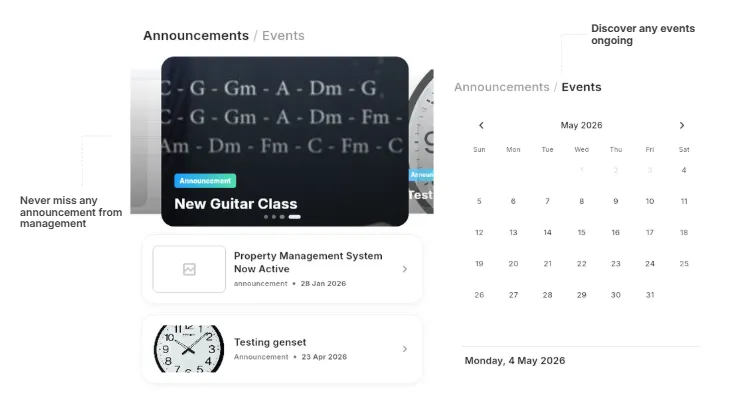
Make sure the communication plan reaches people in different parts of the property, including tenants, visitors, vendor staff, and residents who may need additional assistance. Keep key contacts easy for the response team to find and review them regularly. Nextlivin Broadcast may help managers share announcements with platform users; it complements, but does not replace, alarms, official emergency procedures, or backup building channels.
Turn maps and procedures into a practiced routine
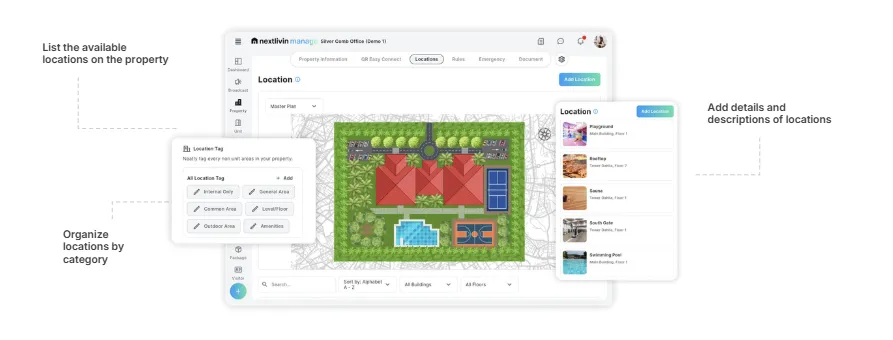
Evacuation routes, assembly points, restricted areas, and ways to request assistance should be easy to understand—not just filed in an office binder. Check that posted information matches current conditions and makes sense to new residents and visitors. For the placement of equipment and technical design, follow the building’s approved documents and qualified professionals’ direction; do not change routes or equipment based on assumptions.
Drills test whether roles and communication work in practice. Choose a relevant scenario, notify participants in line with local safety policy, and observe practical details: can people hear the instruction, do staff know where to coordinate, can the team account for people as planned, and where does confusion arise? A drill is not a race or an opportunity to try dangerous actions. Design and review it with competent personnel.
Record decisions and learn from each exercise
After a drill or incident, record key times, decisions, messages, areas checked, and open follow-up actions. Keep notes factual and proportionate, and restrict access to personal or sensitive information. Give each improvement an owner and due date—for example, updating a contact list or arranging a refresher briefing.
Once the authorised parties confirm the situation is safe, hold a short review with the relevant team. What worked as planned? Which instruction was unclear? Did any group miss the information? Gather facts before drawing conclusions; the aim is to improve the system, not assign blame. Update the procedure, communicate changes, and set the next drill date.
Make emergency coordination part of building operations
Team and communication information should be manageable over time. See Nextlivin’s team features or the full feature overview for platform capabilities. Use each tool only for what it actually supports: property-management software does not automatically provide emergency monitoring, evacuation tracking, or alarm dispatch.
A good plan makes important decisions easier to take before a crisis. Review roles, messages, drills, and follow-up records regularly, then adapt them to the building and the people who use it. Shared understanding helps the response stay coordinated when every minute matters.