PRODUCT
For Team

DATA MANAGEMENT

Manage data and documents in one place.
Property
Unit
User
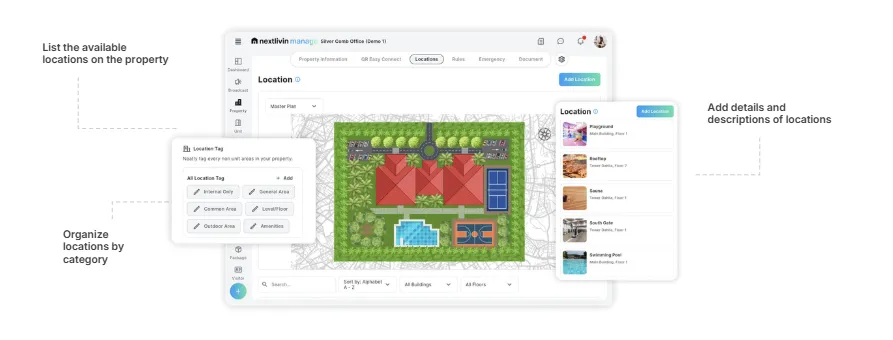
Location
Document
Inventory
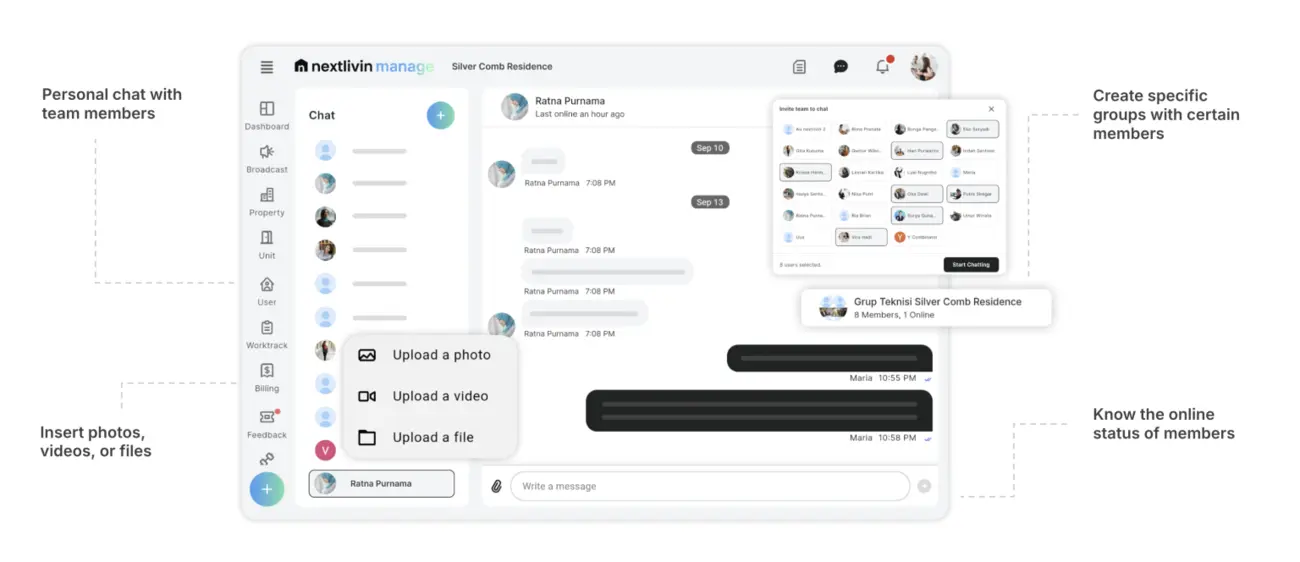
Team Chat

WORK PROCESS

Simplify tasks with AI and automation.
Worktrack
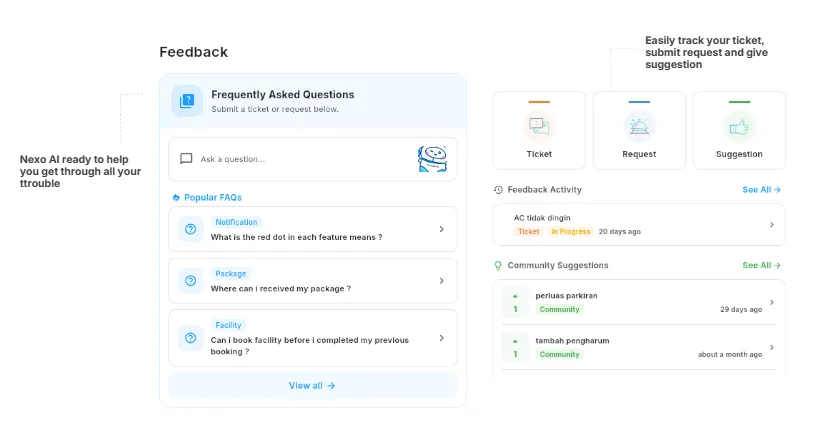
Feedback
Billing
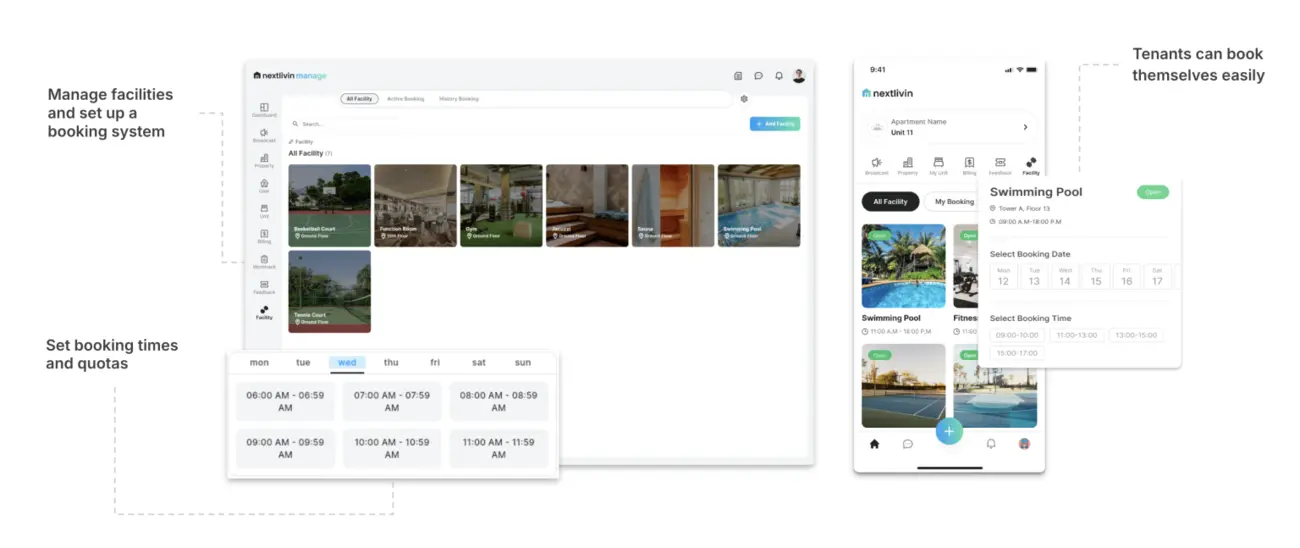
Facility
Broadcast
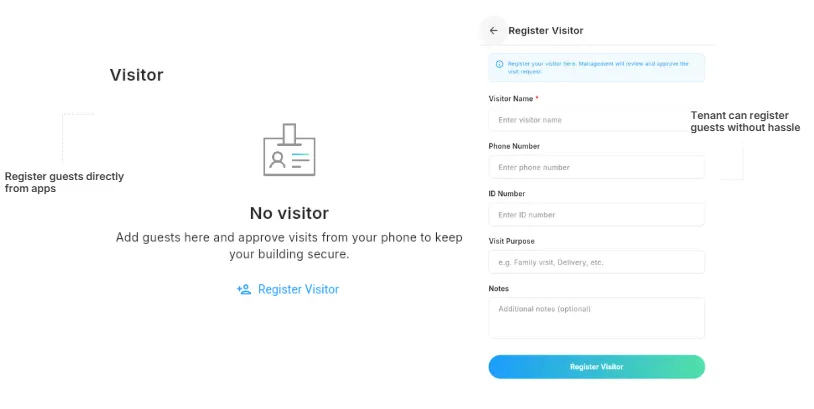
Visitor
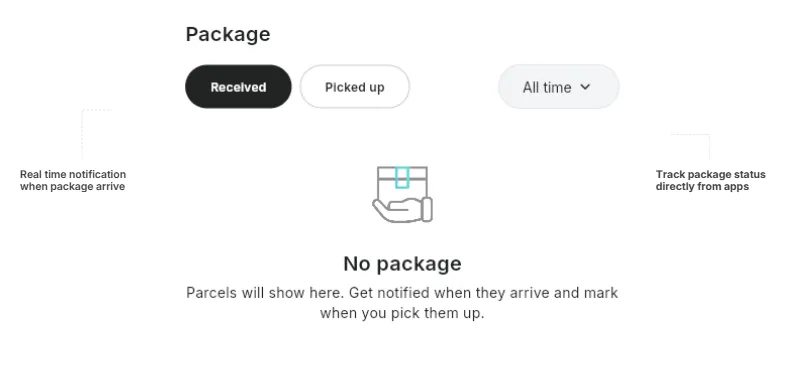
Package

REPORTING

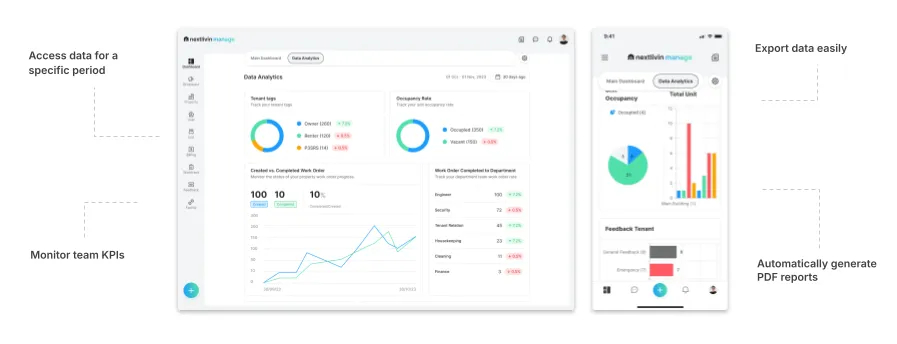
Easy reporting processes with real-time data.
Dashboard Analytic
Generate Report
For Tenant

TENANT EXPERIENCE

Simplify tenant lives and enhance their satisfaction.
Feedback
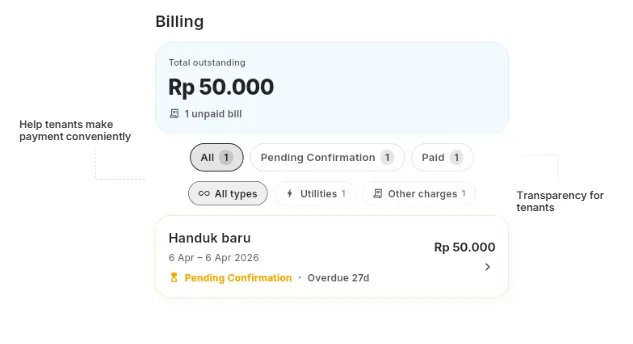
Billing
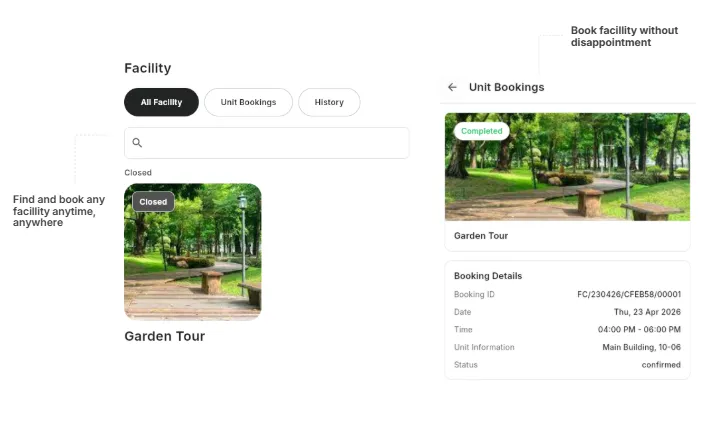
Facility
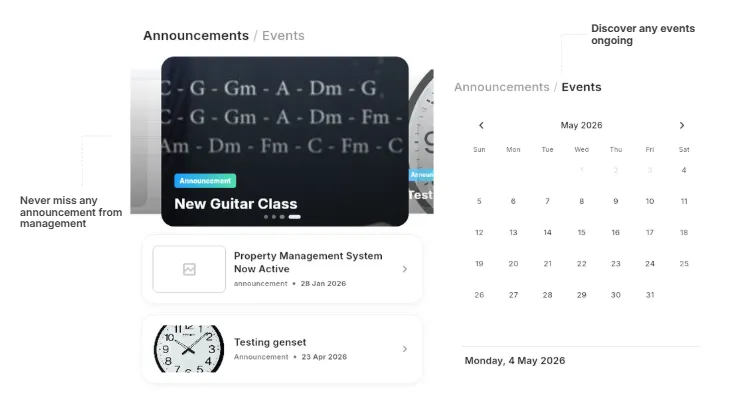
Broadcast
Visitor
Package
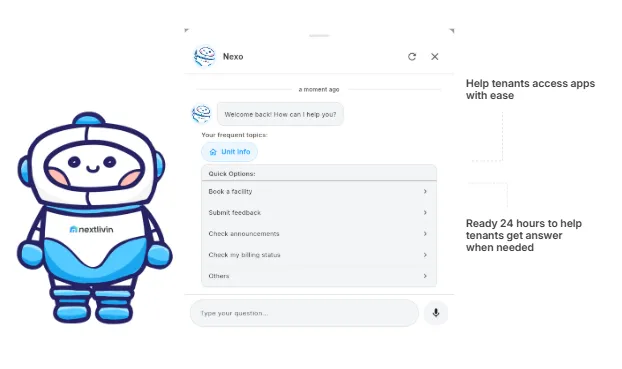
AI Chatbot
WHY US
CONTACT US
Start Free Trial

Building Contractor Handover SOP: From Site Access to Sign-Off

by calvin
October 17, 2026

A clear building contractor handover SOP prevents site-access errors, scope creep, tenant disruption, and missing completion evidence between job approval and sign-off. Treat planned work as a traceable process: confirm the assignment, coordinate while the crew is on site, and document what is accepted or still needs follow-up.

This guide covers coordination for planned work—such as common-area repairs, painting, or scheduled servicing—not emergency response. The aim is simple: everyone knows who is responsible, what is authorised, when work may take place, and what evidence is due.

1. Check contractor qualifications before work begins

Do not select a contractor solely on price or familiarity. Match experience, team capacity, work type, schedule, and references to the property’s needs. Ask for a quotation that states assumptions and exclusions, and confirm that the people expected on site are listed as the vendor’s authorised personnel.

For work with significant safety or operational impact, request competency and safety information relevant to the job. Set specific requirements with qualified people based on the site and applicable rules; this checklist is not a substitute for legal review or technical assessment. Indonesia’s Law No. 1 of 1970 on Occupational Safety is recorded as in force in the official regulation database. For construction work, the Ministry of Public Works and Housing also discusses stakeholder coordination and occupational safety in its construction safety guidance.

2. Define the scope and boundaries of work

A concise work order can prevent many misunderstandings. State the location or asset, known starting condition, expected result, scope limits, included materials, duration, permitted working hours, and items excluded from the price. Explain how to request approval if additional conditions are found; a change should not be treated as automatically approved just because the contractor is on site.

Describe outcomes that can be checked rather than saying only “repair as needed.” Identify the area to be completed, the agreed appearance or function standard, and who will inspect it. Schedule around resident activity, lift and loading access, noise, and any need to close part of an area. If tenants will be affected, prepare a notice through the appropriate property communication channel.

3. Set site access and permit arrangements

Before the workday, define personnel check-in, arrival and departure times, the meeting point, route to the work area, and rules for using building facilities. Ask the vendor to provide names and equipment or material needs in advance. The access team then has a reference for checking people and goods instead of receiving conflicting information at the door.

Explain work-zone boundaries and restricted areas, identification or escort requirements, protection of shared spaces, and how to report a plan change. For work requiring special controls, confirm the permit method and prerequisites with the authorised building lead. Do not rely on an undocumented conversation to approve a change to time or scope.

4. Name points of contact and agree on a coordination rhythm

Appoint one building point of contact and one contractor site lead. Record who may approve a change, who receives progress updates, and who is the backup when a lead is unavailable. Other operations staff—such as security, facilities, or tenant services—need the information that affects their work, but not every technical conversation.

Agree on updates proportionate to the job: a pre-start briefing, notice of blockers or changes, and a completion confirmation. Record important decisions, times, approvers, and follow-up actions. This keeps work moving across shift changes without turning the process into a full operations audit or a definition of service-level targets.

5. Collect work evidence and complete the handover

During the job, request relevant, proportionate evidence: before-and-after photos, a record of work completed, replaced materials where relevant, and findings outside the original scope. Avoid collecting unnecessary documentation or unrelated personal data. Store evidence with the work-order identifier and date so it can be found if questions arise after the vendor leaves.

At final inspection, the building lead and contractor should compare the result with the agreed scope. Record accepted items, defects to correct, the owner, and the due date. Handover is more than a signature: confirm the area is clean, temporary access or equipment is handled under building procedure, and any promised maintenance or warranty information has been received.

6. Review the vendor for future assignments

After close-out, assess observable points: result against scope, timing, communication, compliance with access rules, completeness of evidence, and response to corrections. Separate facts from general impressions and give the vendor a chance to respond. The record can inform future selection, but one job alone may not establish long-term performance.

Managers can track work and updates with Nextlivin Worktrack and coordinate the internal team through team features. These support task records and collaboration; vendor qualification, site permits, technical approval, and handover remain the building manager’s responsibility under the property’s process.

Start with one consistent workflow

A contractor SOP does not have to be complicated. Start with a short form for qualification, scope, access details, points of contact, evidence, and inspection results, then use the same format across jobs. Consistency makes the process easier for staff and vendors to follow and creates a clearer basis for review. For building managers and operations teams, the best control is often not adding more steps, but making sure no handoff of information is missed.

Table of Content

Contact us today for a free demo and best deals
Contact Us

This Article is provided by Nextlivin. For more information about how Nextlivin can help manage your property efficiently, please visit our site.

Infiniti Office, Bellezza BSA, 1st Floor Unit 106, Jl. Arteri Permata Hijau No.34, South Jakarta, DKI Jakarta 12210, Indonesia
© 2025 Nextlivin.com. All rights reserved.
Read More
Property management or building management, or manajemen properti atau pengelolaan gedung in Indonesian, refers to the management of real estate assets such as apartments, office buildings, and other types of properties. Jasa manajemen properti is a service that is provided by companies specializing in property management. The objective of manajemen properti is to ensure that the property is well-maintained, profitable, and meets the needs of its tenants.
A perusahaan pengelolaan properti is a company that provides property management services. They are responsible for managing day-to-day activities such as collecting rent, maintaining the property, and ensuring the safety of the tenants. Pengelolaan apartemen is a common service offered by property management companies, as they specialize in managing residential properties such as apartments.
Technology has also played a significant role in the property management industry. Aplikasi apartemen, or apartment applications, property management SaaS, property management application atau aplikasi manajemen properti, and property management system atau sistem manajemen properti, have been developed to help manage properties more efficiently. These apps provide features such as rent collection, maintenance requests, and communication tools to help improve the overall experience for property owners and tenants. There's also this fully-integrated property management system or sistem manajemen properti yang sepenuhnya terintegrasi that helps building manager by providing everything they need in one place. Overall, property management application, property management system and property management SaaS is a powerful tool for building managers that could improve the performance of the property management and tenant's well-being.
The main goal of tujuan manajemen properti adalah to maximize the value of the property while minimizing costs. Manajemen properti adalah a complex process that involves various tasks such as property maintenance, marketing, financial management, and tenant relations. Perusahaan manajemen properti are experts in these areas and provide a wide range of services to help property owners achieve their goals.
Kegiatan manajemen properti includes market research, financial analysis, lease negotiations, tenant screening, and property inspections. Manajemen properti pdf resources are available for those who want to learn more about the industry. Properti manajemen can involve managing various types of properties such as commercial, residential, and industrial. Manajemen properti perumahan, or housing property management, is a specialized area that focuses on managing residential properties such as houses, apartments, and condominiums.
Pengertian manajemen properti refers to the understanding of property management as a business. Manajemen bisnis properti involves developing and implementing strategies to maximize the profitability of the property. These strategies include marketing, financial planning, and risk management. Property management is an important aspect of real estate investing, and working with a professional company can help property owners achieve their financial goals.
Pengelolaan properti, seperti apartemen atau rumah susun, kost, perumahan, dan gedung kantor, membutuhkan manajemen yang baik agar properti tersebut dapat berjalan dengan efektif dan efisien. Pengelolaan gedung, seperti jasa pengelolaan gedung, manajemen pengelolaan gedung, dan perusahaan pengelola gedung, merupakan bagian dari manajemen properti yang sangat penting.
Pengelolaan apartemen juga menjadi aspek penting dalam manajemen properti. Aplikasi apartemen dapat membantu memudahkan pengelolaan properti seperti memudahkan penyewa untuk membayar sewa, mengajukan permintaan perbaikan, dan berkomunikasi dengan pengelola properti.
Tujuan manajemen properti adalah untuk memaksimalkan nilai properti sambil meminimalkan biaya yang dikeluarkan. Kegiatan manajemen properti meliputi perawatan properti, pemasaran, manajemen keuangan, dan hubungan dengan penyewa.
Manajemen properti pdf juga tersedia sebagai sumber pembelajaran bagi mereka yang ingin mempelajari lebih lanjut tentang industri properti. Perusahaan manajemen properti adalah ahli di bidang ini dan memberikan berbagai layanan untuk membantu pemilik properti mencapai tujuan mereka.
Manajemen properti perumahan adalah bidang khusus yang berfokus pada pengelolaan properti perumahan seperti rumah, apartemen, dan kondominium. Properti manajemen menjadi penting bagi investasi properti, dan bekerja dengan perusahaan manajemen properti yang profesional dapat membantu pemilik properti mencapai tujuan keuangan mereka.
Dengan pengertian manajemen properti dan manajemen bisnis properti, pemilik properti dapat mengoptimalkan nilai properti mereka dengan strategi pemasaran, perencanaan keuangan, dan manajemen risiko yang baik. Oleh karena itu, pengelolaan properti yang baik sangatlah penting untuk mencapai kesuksesan dalam industri properti.
Property management in Jakarta, Surabaya, Malang, Bandung, Yogyakarta, Semarang, Denpasar, Makassar, Medan, Palembang, Batam, Balikpapan, Banjarmasin, Samarinda, Manado, Depok, Bekasi, Tangerang, Bogor, Solo, Maluku, Banda Aceh, Pekanbaru, Jambi, Bengkulu, Lampung, and Pontianak is an essential service for property owners and managers in their respective cities. These services typically include the management of unit and tenant data with custom fields controlled by property managers, automated IPL invoicing for fee charging, facility management to assist building managers in setting facility availability schedules and help tenants book facilities (similar to an automated digital logbook), among others.
Effective property management is crucial for maintaining the value of a property and ensuring tenant satisfaction. This is especially important in large cities like Jakarta, Surabaya, and Bandung, where demand for high-quality rental properties is high. A property manager can help ensure that a property is well-maintained, secure, and equipped with modern amenities, making it more attractive to prospective tenants.
In addition to managing individual properties, property managers in these cities may also offer community management services. This involves managing shared amenities and spaces such as swimming pools, gyms, and common areas, and ensuring that they are kept clean, functional, and available to all residents.
Overall, whether you are a property owner or tenant, it's important to choose an experienced, reliable property management company that provides high-quality services. With the right property management team in place, you can ensure that your property is well-maintained and that your tenants are happy and satisfied.
crossmenu