by

A useful apartment resident handbook is not a list of prohibitions or a document handed over once with the keys. It is a practical reference for everyday questions: how to contact management, when amenities are available, where to find current notices, and what to do in an emergency. For the building team, a concise, maintained guide keeps information consistent without replacing internal operating procedures.
What should a resident handbook help people do?
Imagine a new resident moving in, a visitor arriving, a lift going out of service, or a shared amenity closing temporarily. In each case, the handbook should help someone find the right step or contact quickly. Organise it around residents’ needs rather than the management team’s organisation chart.
A resident handbook also serves a different purpose from other building documents. A move-in handover records a unit’s condition, keys, or equipment; the management document register stores internal records; visitor and parcel SOPs explain specific service processes; and a broadcast shares a time-sensitive notice. The handbook summarises stable information people need repeatedly, then points them to the relevant channel or detailed procedure.
What to include in an effective apartment resident handbook
1. Access and building orientation
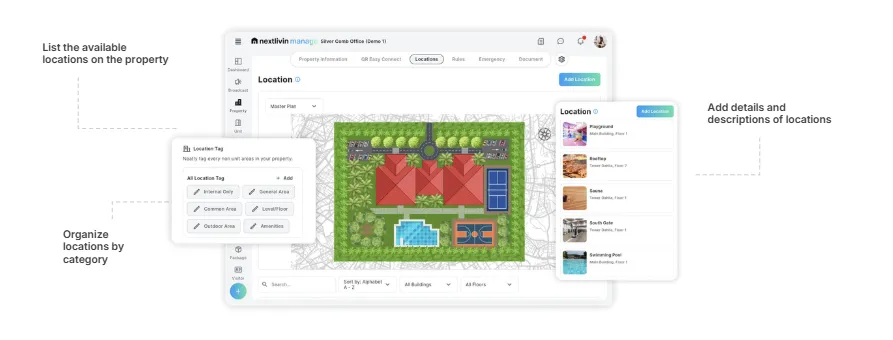
Explain resident and visitor entry points, the lobby, management or security desk, relevant parking areas, and how to locate shared amenities. Use the same terms as the building’s signs. A simple map can help, but keep it current and leave out restricted-access details that should not be shared.
2. Important contacts and how to request help
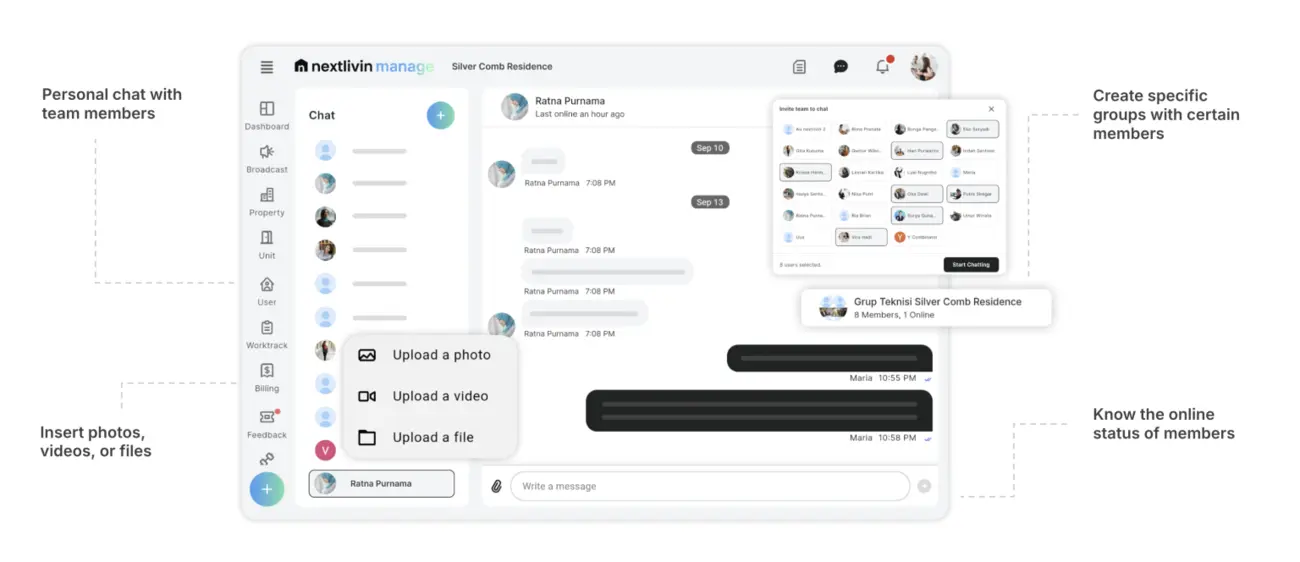
List the official channels for general questions, facility reports, security, and emergencies, including service hours where they differ. Distinguish emergency contacts from routine service channels and explain what information to provide, such as location, time, and a short description. Avoid publishing staff members’ personal numbers without consent; use official channels that can be maintained when staff change.
3. Amenities, services, and everyday rules
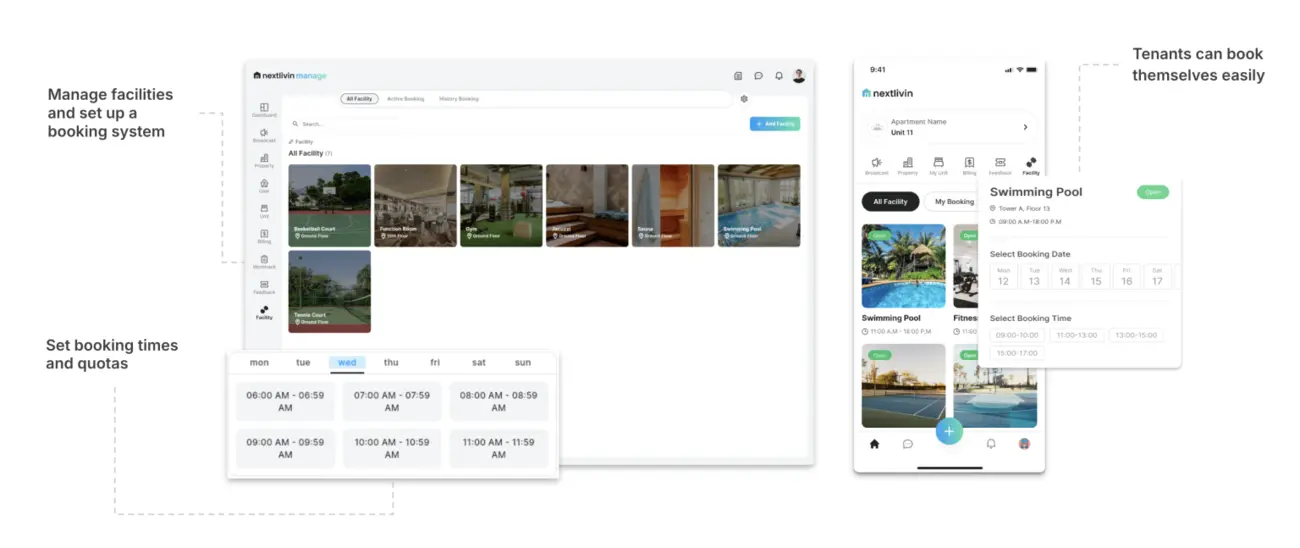
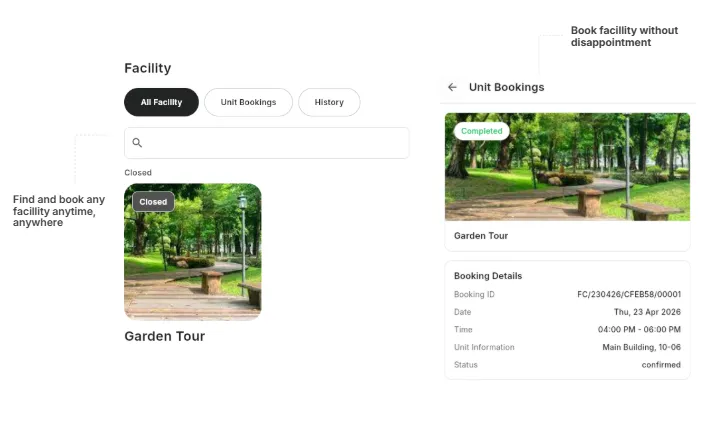
For each amenity, give its location, operating hours, booking method if applicable, conditions of use, and where to check for changes. State general rules in concrete language: what is allowed, what to avoid, and whom to ask. Summarise only services that are actually available at the building, without promising response times that have not been agreed.
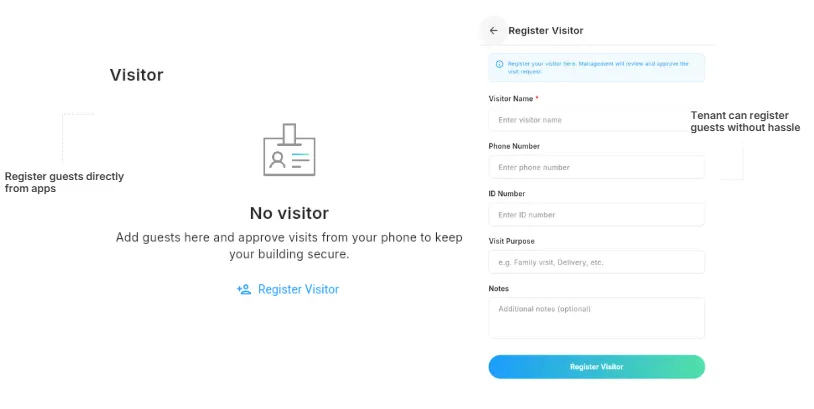
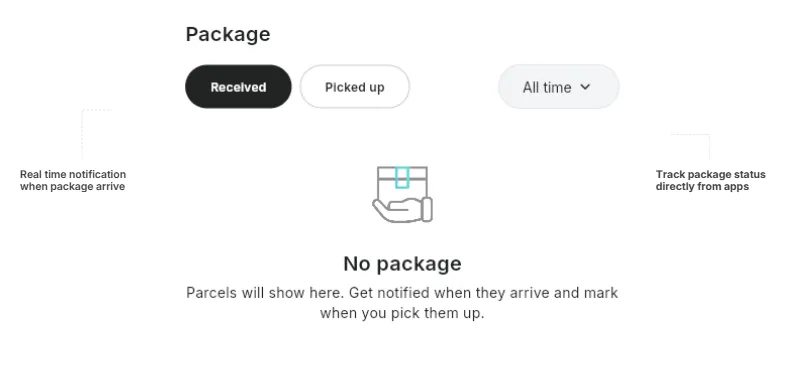
Do not repeat detailed visitor or parcel procedures in several places. Give a short overview and link to the official instructions for that service. This keeps a change to an SOP from making the entire handbook outdated.
4. Emergency information that is easy to find
Explain how to receive building instructions, where the management-approved exit routes and assembly points are, and whom to contact. Use details confirmed for the actual building rather than generic assumptions. Indonesia’s technical guidance on fire-protection management covers elements such as evacuation routes, emergency contacts, and resident briefings; property teams can consult the Technical Guidelines for Urban Fire Protection Management when checking relevant safety information.
Do not include unapproved technical instructions. During an incident, residents should follow authorised staff and the building’s official procedure. The NFPA high-rise building safety guidance also highlights the value of knowing a building’s fire-safety features and emergency plan.
5. Official information channels and updates
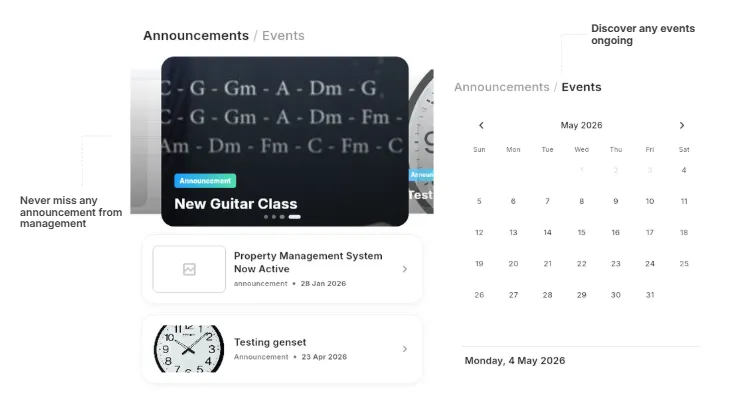
Tell residents where management publishes official notices—such as the building’s digital channel, noticeboard, or direct messages—and what they will find there, including amenity-hour changes, scheduled work, or service disruptions. Distinguish the handbook as a baseline reference from notices that apply for a limited time. In Indonesia, Government Regulation No. 13 of 2021 on apartment buildings covers management, maintenance, and care; a handbook communicates practical information to residents but does not replace official rules or records.
Maintain the handbook like operational information
Information is useful only while it is accurate. Assign an owner to each section, record when it was last checked, and define revision triggers such as a changed contact number, amenity schedule, official channel, or approved route. Ask the relevant team to review its section, then test the guide with a simple question: can a resident find the answer in one minute?
Use a mobile-friendly format, clear headings, and links to active official sources. Store the current version in one easy-to-find place, archive earlier versions so they are not mistaken for current guidance, and notify residents about important changes. If a notice conflicts with the handbook, point readers to the channel that provides the latest update.
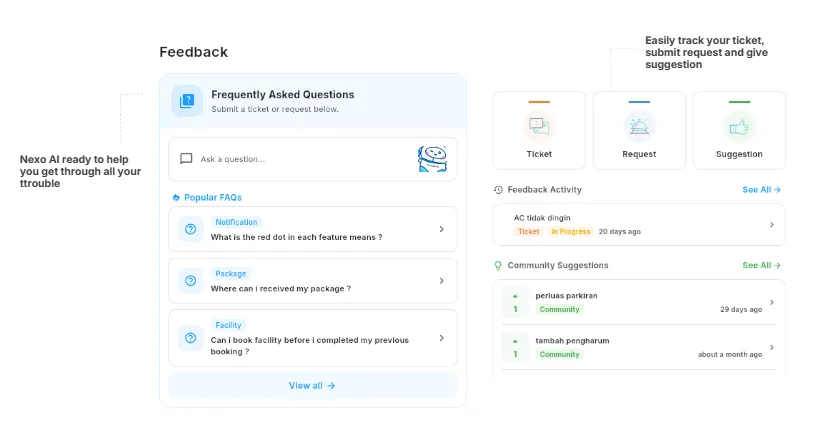
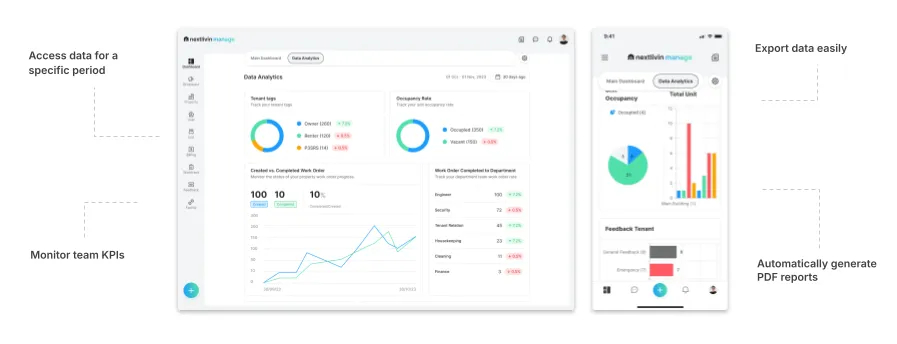
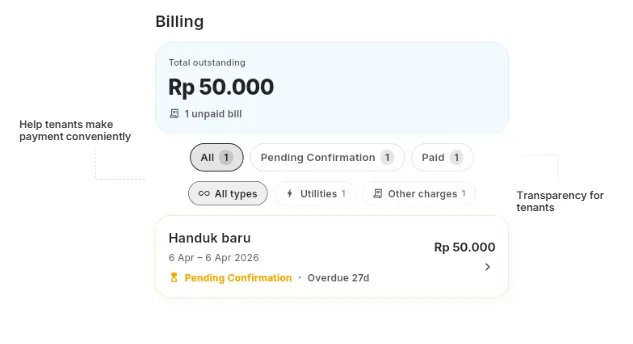
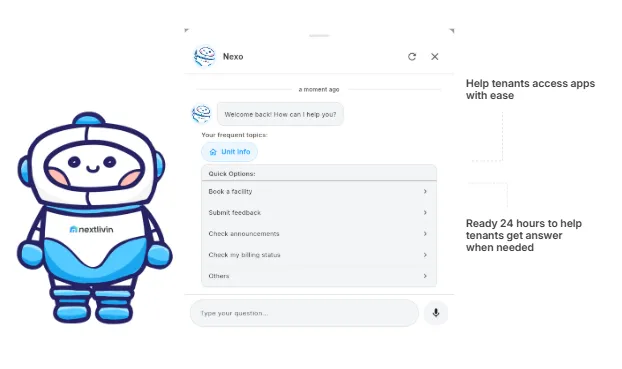
Management teams can align publishing and communication with the building’s actual workflow. Nextlivin offers Broadcast for tenant communication; its property-management features include functions such as documents, facilities, visitors, packages, feedback, and analytics dashboards. Choose channels and features that fit the building, and do not promise services or capabilities that are not available.
An effective resident handbook is quick to understand, easy to find, and reviewed regularly—not a thick document created once and forgotten. Start with the questions residents ask most often, make sure each answer has a clear source, and separate lasting information from temporary notices. Residents can find answers more independently, while the team has a consistent shared reference.